





Commercial Solar Battery 215KWh 260KWh Liquid Cooling
 Model: Hbowa-C&I-215
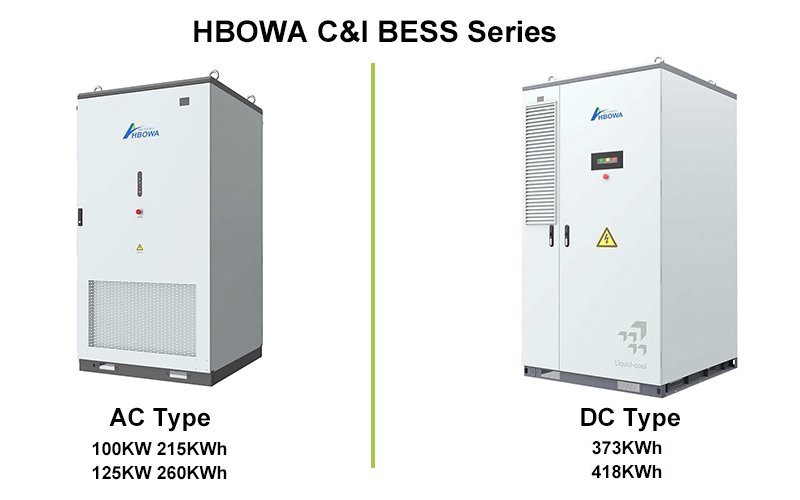
LFP Battery: 215 kWh/260KWh
PCS Power: 100kW/125kW
Cooling: Liquid-cooling
Cell Type: 3.2V 280Ah/314Ah LiFePo4
Certificates: IEC, UN38.3, UN3536
 Datasheet of 215 kWh 260kWh Energy Storage System
Description
100KW 215KWh Commercial Solar Battery
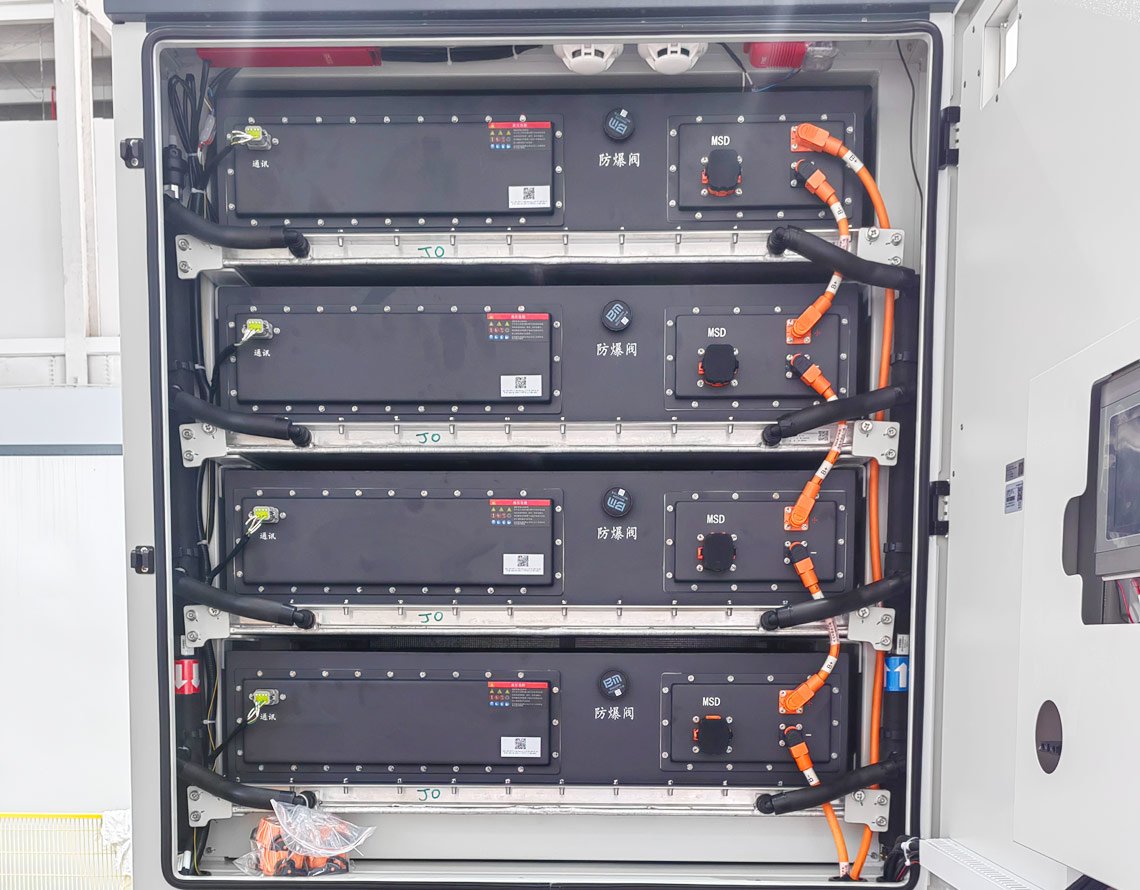
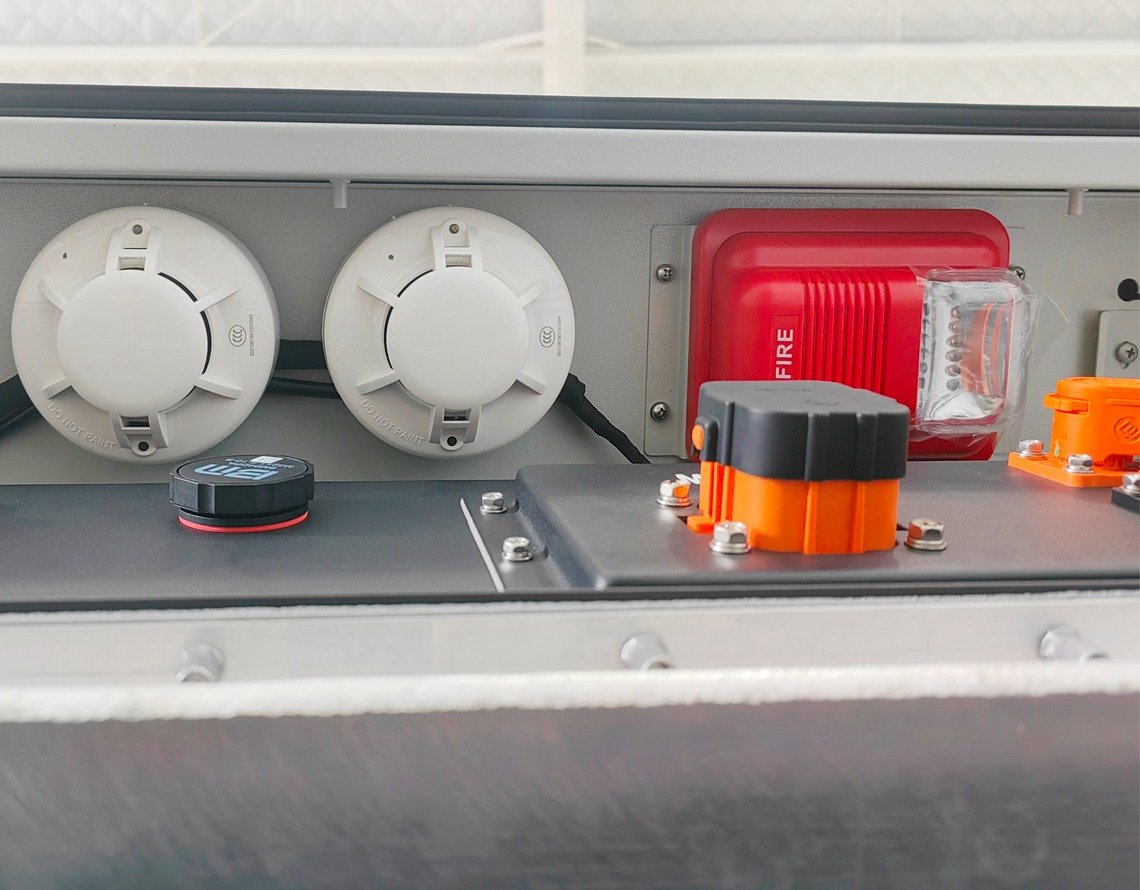
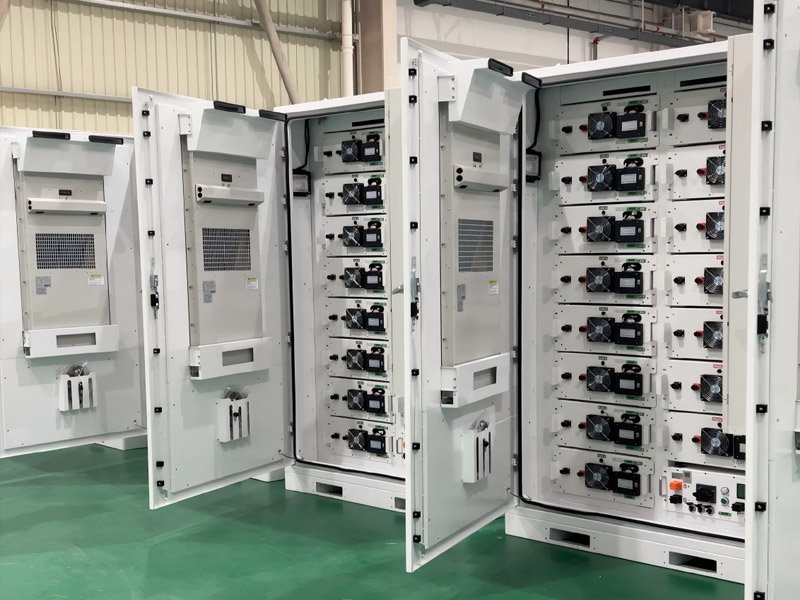
The 100 kilowatt outdoor integrated commercial solar battery adopts an integrated design, integrating 215kWh high voltage lithium batteries, high voltage electrical box, battery management systems(BMS), 100KW energy storage power conversion systems(PCS), the fire suppression system, energy management systems(EMS), liquid cooling systems, monitoring, lightening system, and communication tools into one unit, it saves a lot of time for commercial solar battery installation on site. With an output of up to 100kW, a pre-configured 380V AC interface, the 215kWh battery delivers reliable, efficient, and safe energy storage for peak shaving, backup power, and renewable energy integration.

215KWh Battery Storage System
Application Scenarios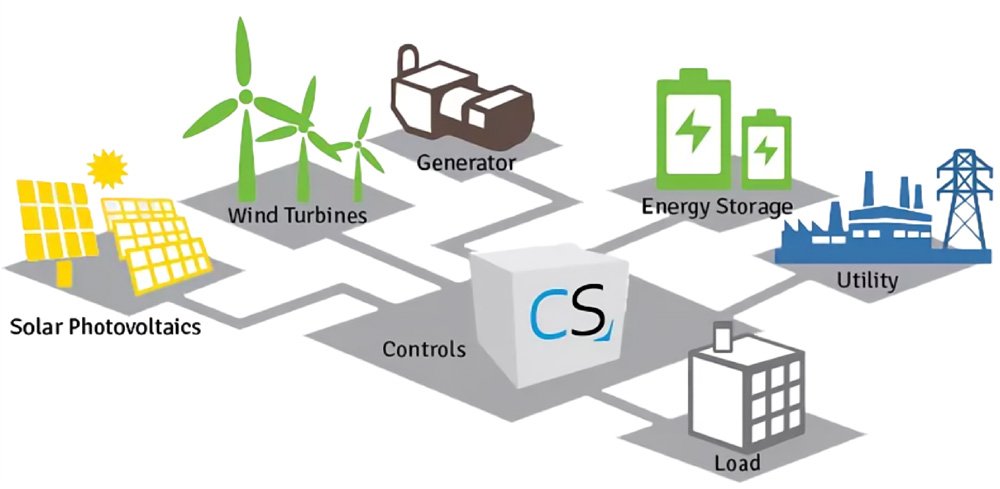
- Villa
- Hotel
- Hospitals
- Schools
- Data Centers
- Industrial Park
- Remote Island
- Charging Stations
For industrial end users, this commercial solar battery storage can perform peak-valley regulation, which can alleviate the burden on transformers during peak electricity consumption periods in summer. In addition, you can earn some revenue by utilizing the peak-valley electricity price difference by this commercial solar energy storage. For end users with important loads, this commercial solar battery can be used as an industrial battery backup power supply to ensure the continuity of power supply for important loads.
Working Conditions
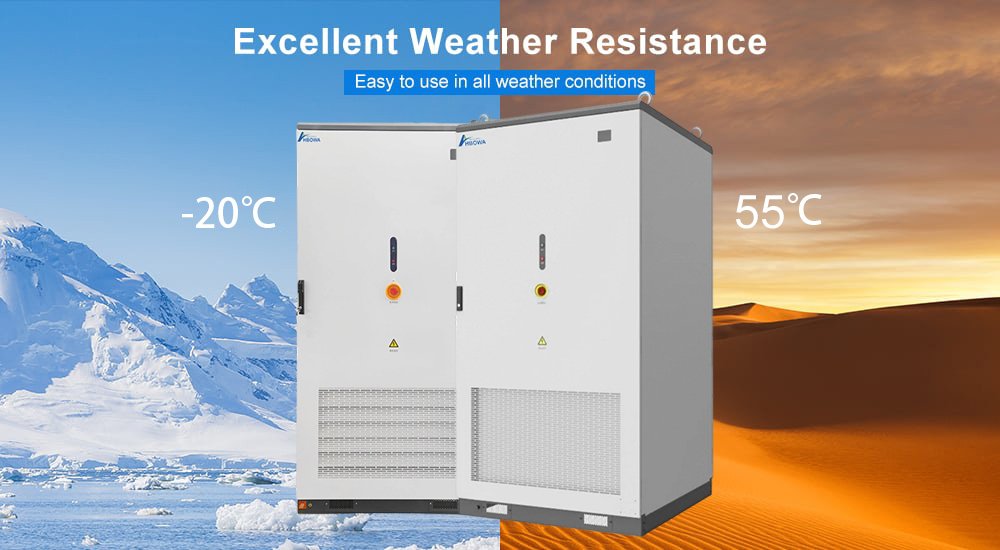
The commercial solar battery cabinet adopts IP54 cabinet protection system, which can prevent dust, rain, and sand. Combined with the intelligent liquid cooling system, it optimizes the heat dissipation channel and can work normally in extreme weather conditions, from minus 20 degrees to 55 degrees.
Support Parallel Connection
The 215 kWh commercial energy storage battery supports connecting units in parallel to get a large capacity that meets your project needs. Configuration is flexible and can be switched to on-grid, and off-grid working modes.


Intelligent Management(EMS)
The commercial solar battery storage systems have an intelligent platform interface, which displays the overview data, device topology, cumulative charge and discharge statistics, real-time running curve, alarm information, and environmental control data of the solar battery.

Services We Support
Our energy storage systems feature modular and intelligent designs. All units are fully assembled and tested before shipment. We have dedicated after-sales teams in Southeast Asia and Europe. Once the storage batteries arrive at your project site, you can follow our installation guide to complete the setup yourself. If needed, we also provide free remote support for installation and commissioning, or paid on-site technical services.

As a professional solar battery manufacturer for many years, HBOWA provides you with reliable and durable residential battery backup, commercial battery storage solutions, and industrial energy storage battery systems, customization solutions are available for your tailored power storage solutions, feel free to contact us about your requirements, we look forward to our win-win success.

Parameters
- DC Battery Parameters
- AC Parameters
- Communication Parameters
- Protection
- Environmental Requirements
| Item | 215KWh | 260KWh |
| Cell Type | 280Ah,3.2V | 314Ah,3.2V |
| Battery System Configuration | 1P240S | 1P260S |
| Cooling Method | Liquid Cooling | |
| Charge/Dischaarge Rate | 0.5C | |
| Rated Current | 140A | 157A |
| Maximum Current | 160A | 194A |
| Rated Voltage | 768V | 832V |
| Battery Voltage Range | 672-852 | 728-923 |
| Item | 215KWh | 260KWh |
| Rated Charge/Discharge Power | 100KW | 125KW |
| Maximum Charging and Discharging Power | 110KW | 150KW |
| Power Factor | -1~1 | |
| Rated Grid Voltage | 400V | |
| Rated Charge/Discharge Current | 145A | 182A |
| Permissible Grid Voltage Range | 300-440V | |
| Rated Grid Frequency | 50Hz | |
| Overload Capacity | 1.1 Pn times long-term(@50℃) | 1.2 Pn for 1 min |
| Item | 215KWh | 260KWh |
| Rated Output Voltage | 400V | |
| Voltage Deviation | ±2% | |
| System Efficiency | ≥88%(Standard Conditions:25℃,0.5C) | |
| Communication Interface | LAN/485 | |
| Cycle Times | ≥8000@EOL70%(Standard Conditions:25℃,0.5C) | |
| Working Temperature | 20~55 | |
| Dimensions | 1175*1300*2310(mm) | |
| Weight | About 2280kg | About 2450kg |
| Item | 215KWh | 260KWh |
| DC Input | Circuit Breaker + Fuse | |
| AC Input | Circuit Breaker | |
| Overvoltage protection | DC Type Ⅱ/AC Type Ⅱ | |
| Fire Protection System | Aerosol | |
| Inlet Method | Top inlet/Bottom inlet | |
| Item | 215KWh | 260KWh |
| Permissible Ambient Temperature | 20~55 | |
| Permissible Ambient Humidity | 0~85 | |
| Working Altitude | ≤2000m | |
| Protection Class | IP54 | |
| Cooling Method | Intelligent Liquid Cooling | |
Battery Detailed Advantages

Liquid Cooled Battery Pack
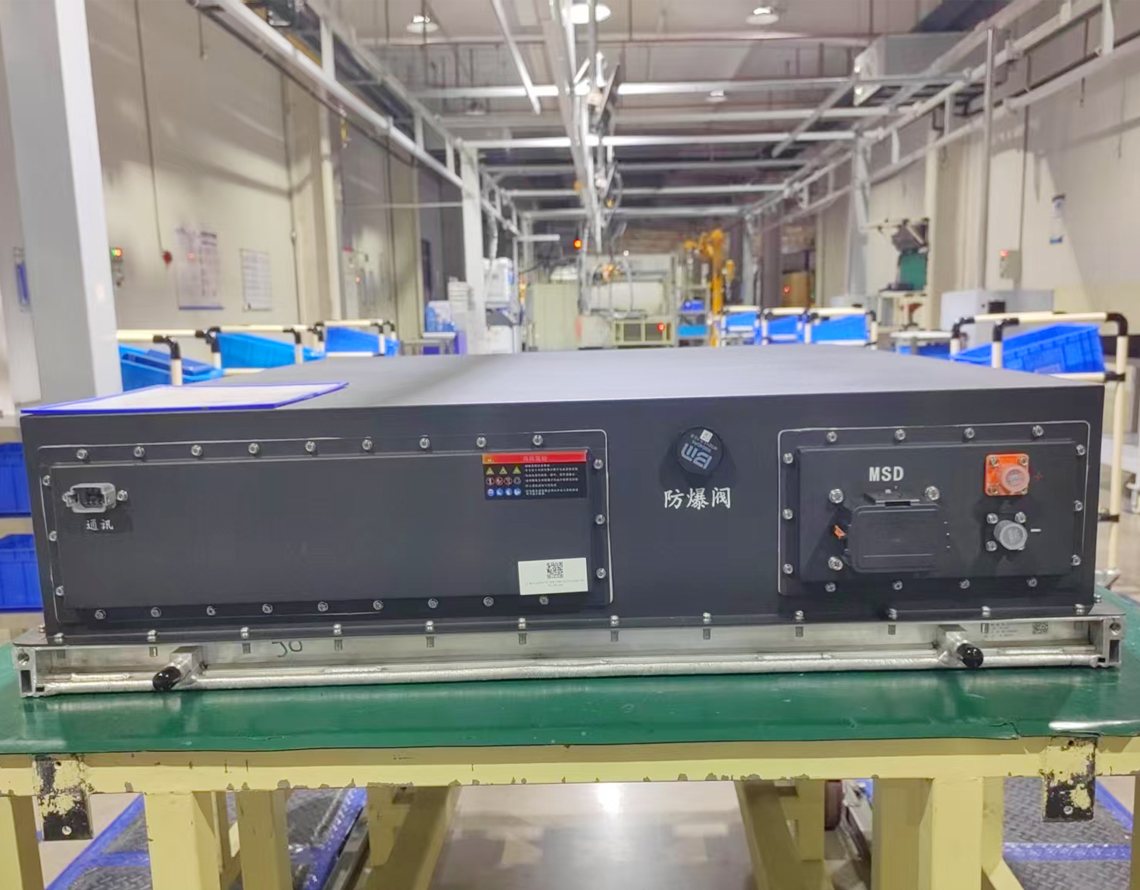
The liquid-cooled energy storage battery pack offers superior thermal management, safety, and intelligence. Its integrated liquid cooling system ensures efficient heat dissipation, maintaining optimal operating temperatures and extending battery life. Equipped with an MCU(Micro Control Unit) as shown in the left picture, it monitors real-time data such as voltage, current, and temperature, enabling precise control and multiple protection strategies. The pack also features an explosion vent and a high-sealing design for enhanced safety and durability in harsh environments. With a modular structure and low energy consumption, the battery packs support flexible deployment across various applications while reducing operational costs for you.
Features

HBOWA Commercial Solar Battery
- Factory Show
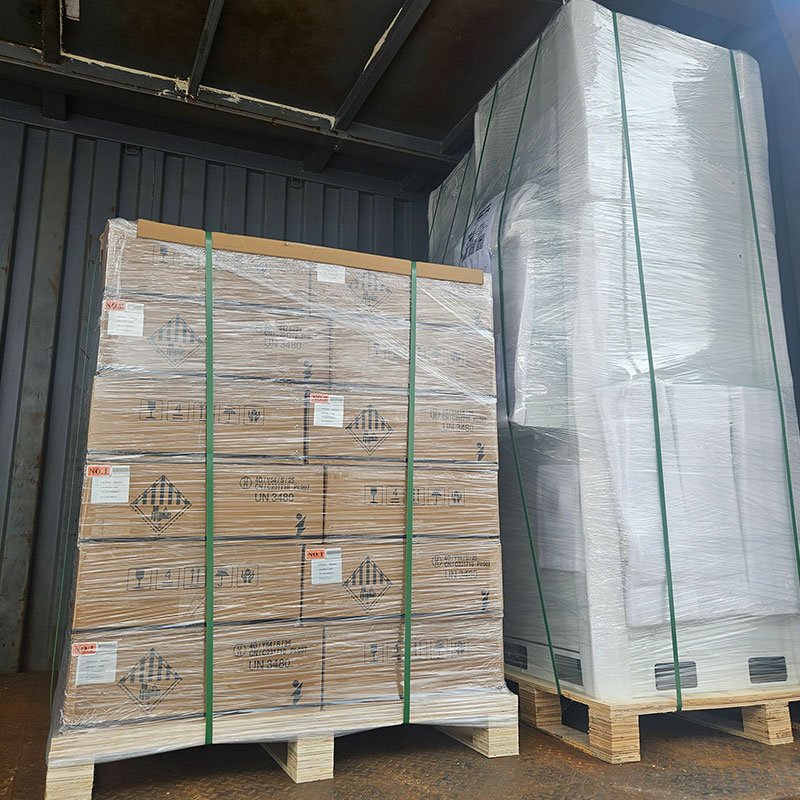
- Shipping Show
- Installation Video
- Certifications

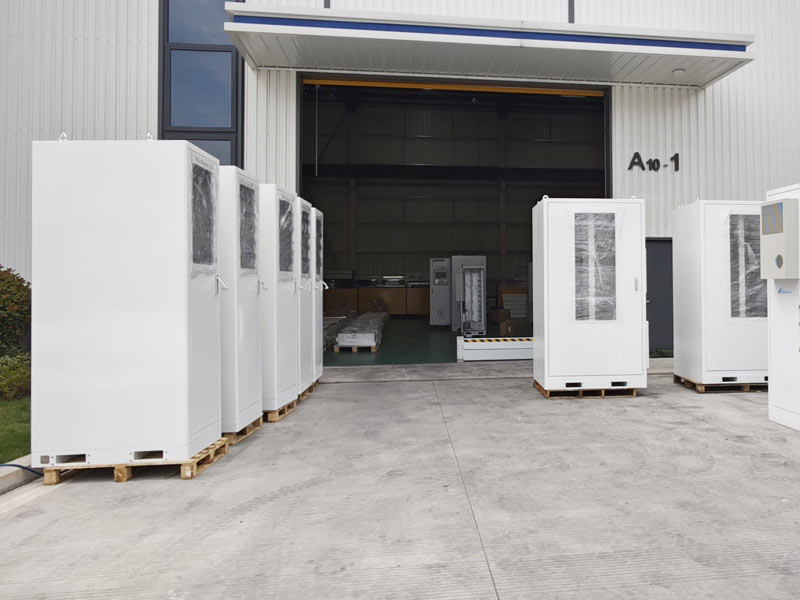
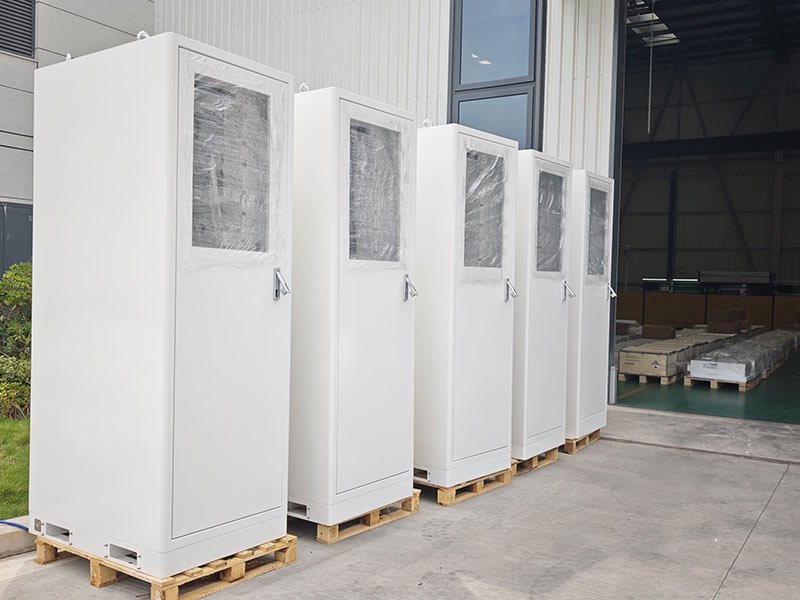
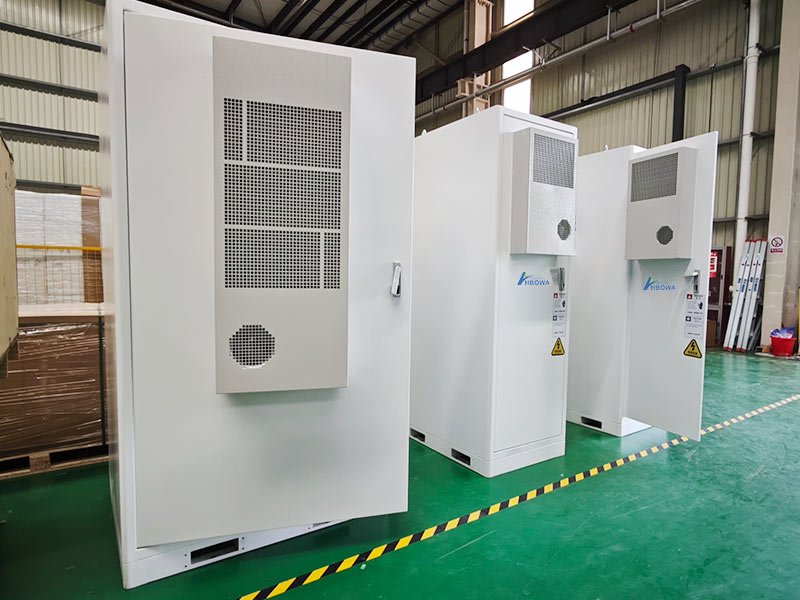
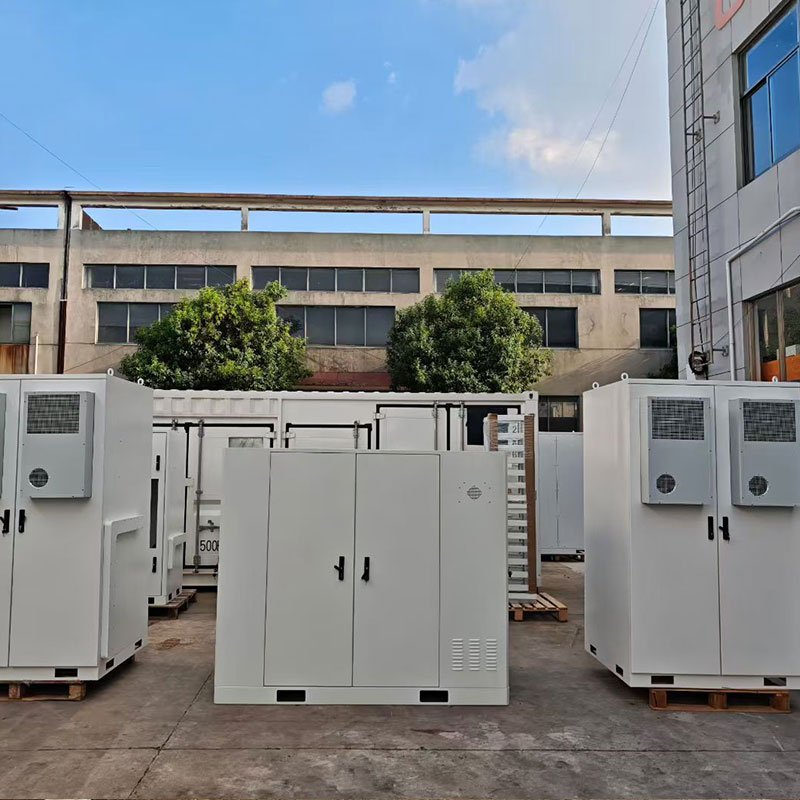
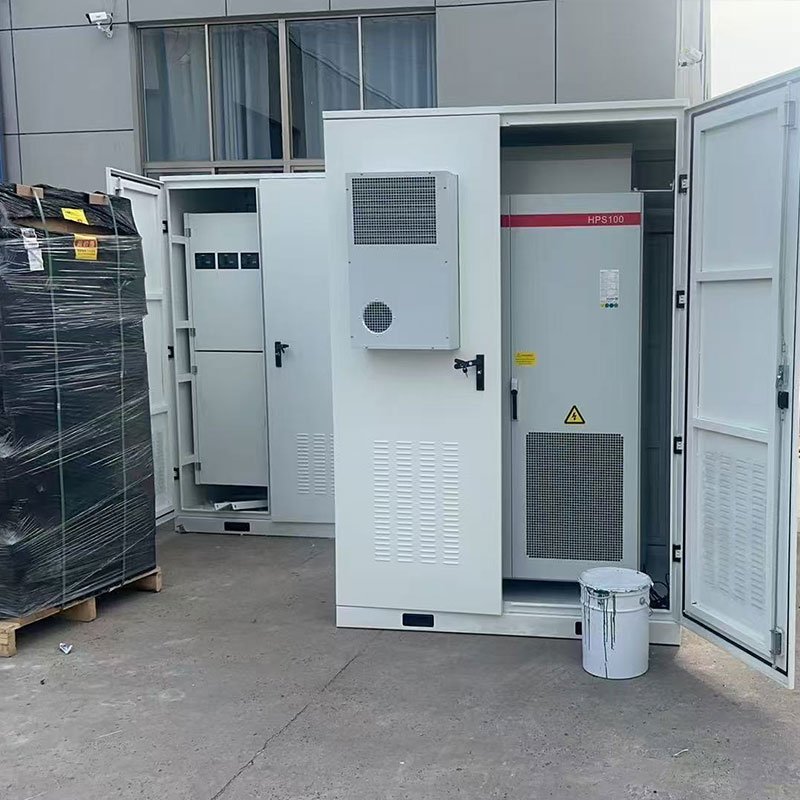
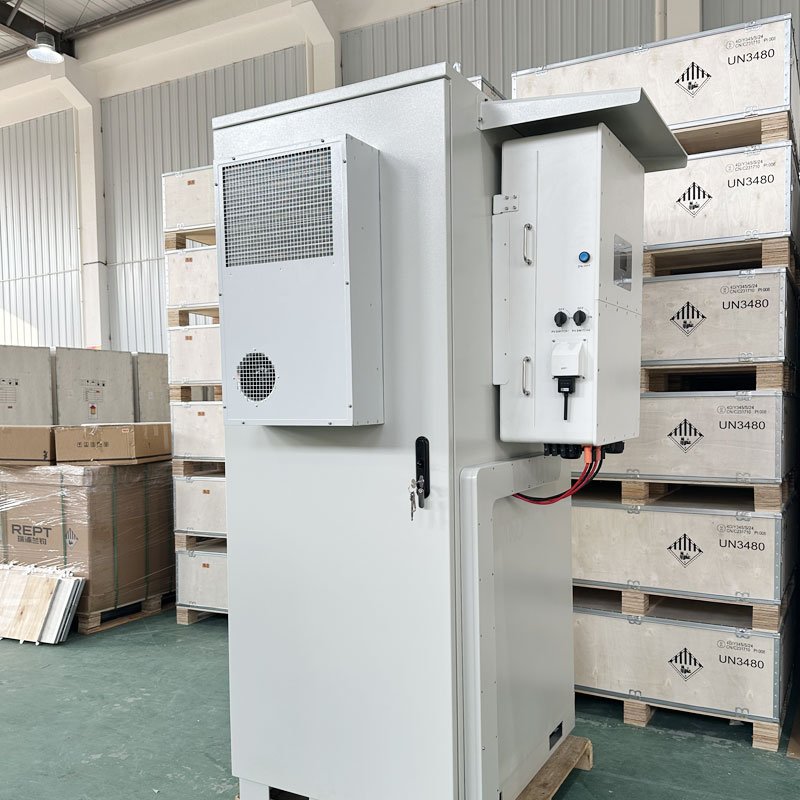
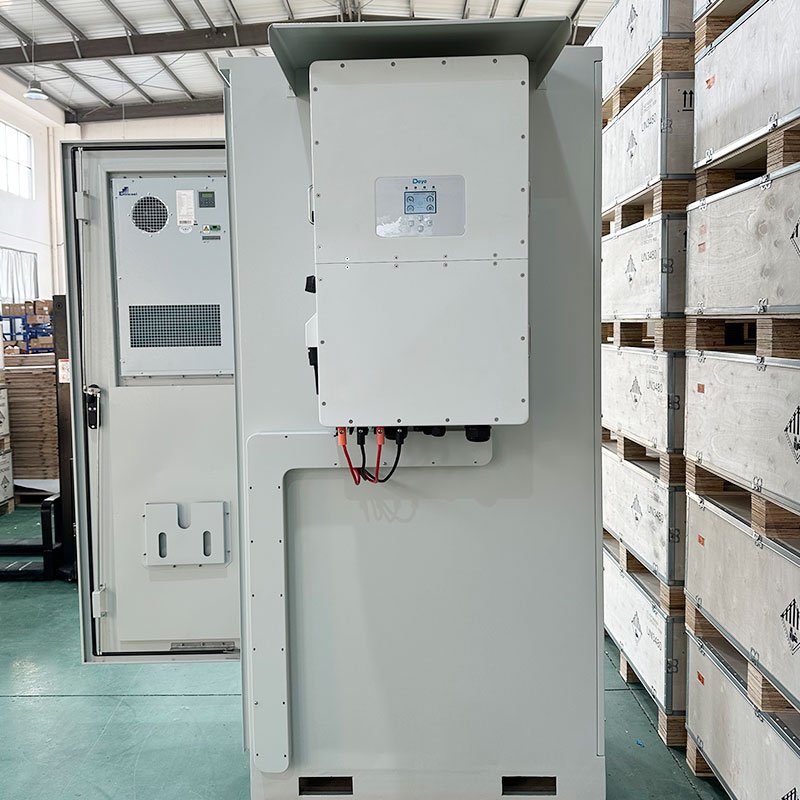
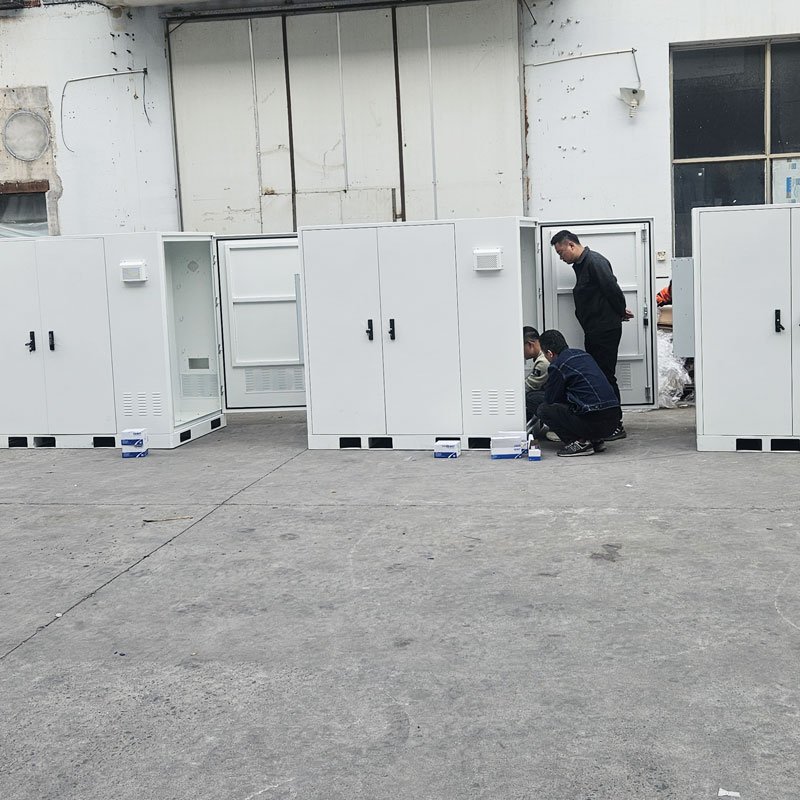


Industrial Battery Backup Applications (8)
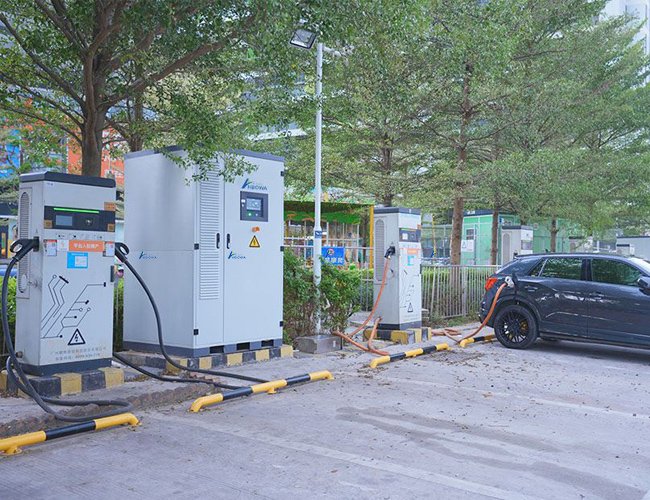
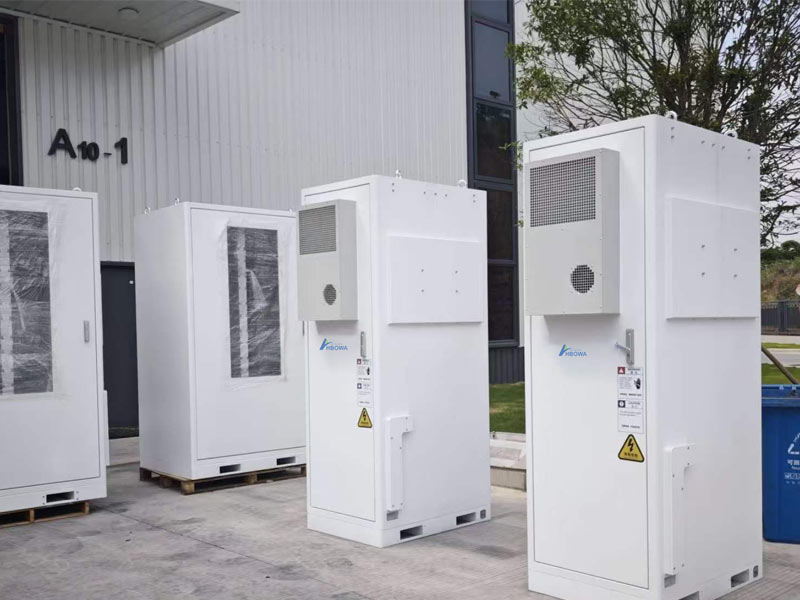
The 215 kWh 100 kW battery commercial energy storage station is designed for EV charging stations, providing a stable and reliable power supply for electric vehicles.
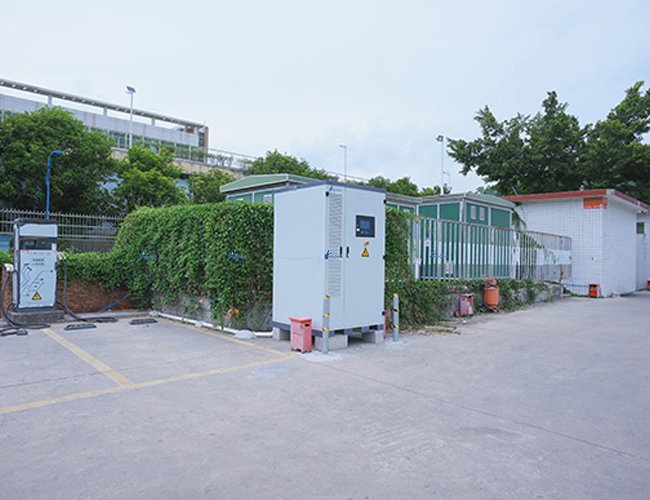
Two 215kWh commercial solar batteries are utilized in a centralized energy storage facility within the park. They enable unified power management, and enhance the self-sufficiency of energy supply.
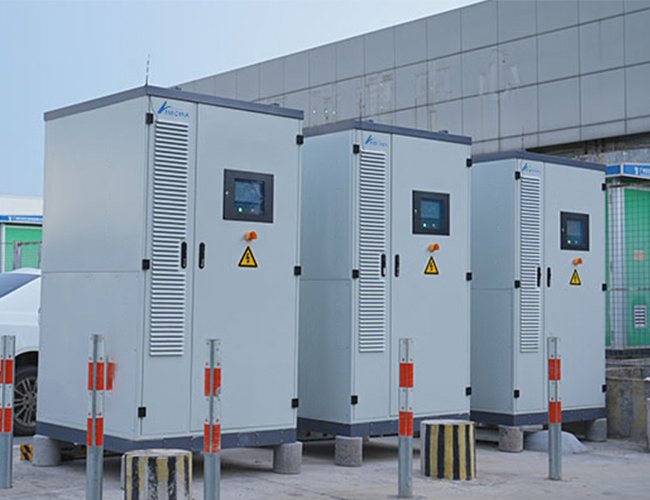
The 100kw 215 kwh battery energy storage station is deployed in petrochemical enterprises to provide stable power for high-power equipment such as cracking and polymerization units, ensuring safe and efficient chemical production.
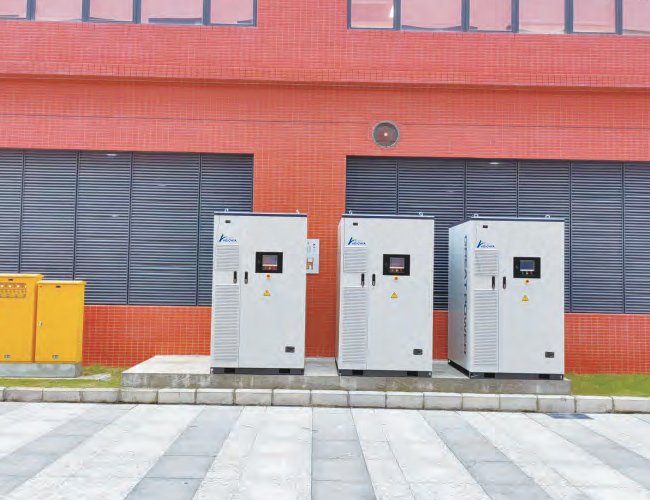
The commercial 100kw battery is utilized in the mining industry to power equipment such as mine hoists and mineral processing machinery. It also helps balance the power peaks and valleys during daily operations.

The energy storage 100kw 215kwh battery is used in aluminum electrolysis enterprises to provide stable power for the electrolysis process, ensuring its smooth operation. It can also help enterprises to save significant electricity costs.
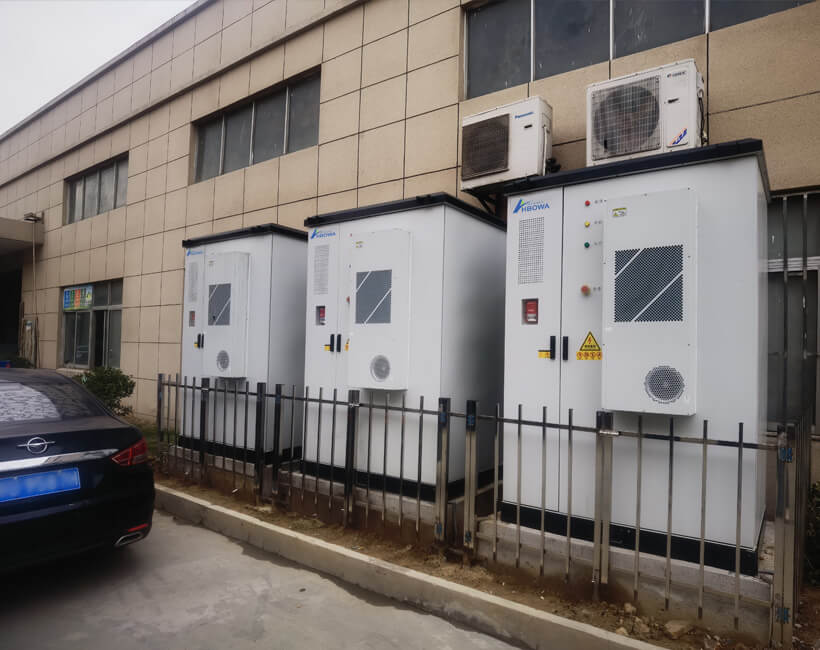
The commercial battery storage 215KWh can provide 24-hour uninterrupted power supply (UPS) functionality for data centers. In the event of a power outage, it quickly switches to ensure continuous power, preventing data loss.
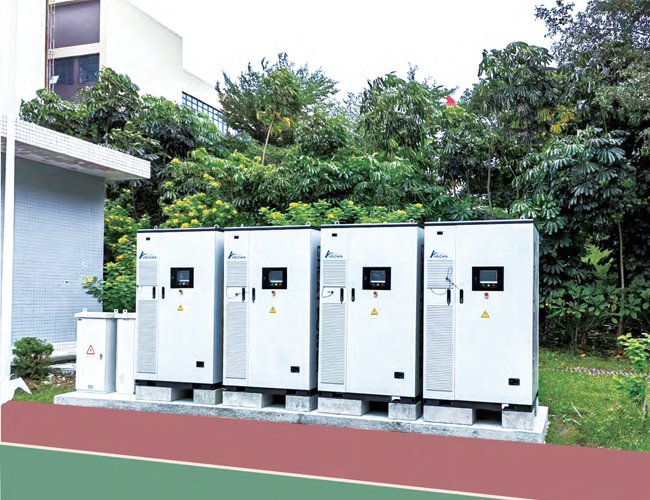
The commercial energy storage system is used in hotels to power essential services such as room lighting, air conditioning, and hot water supply systems. It ensures the normal operation of these basic facilities.
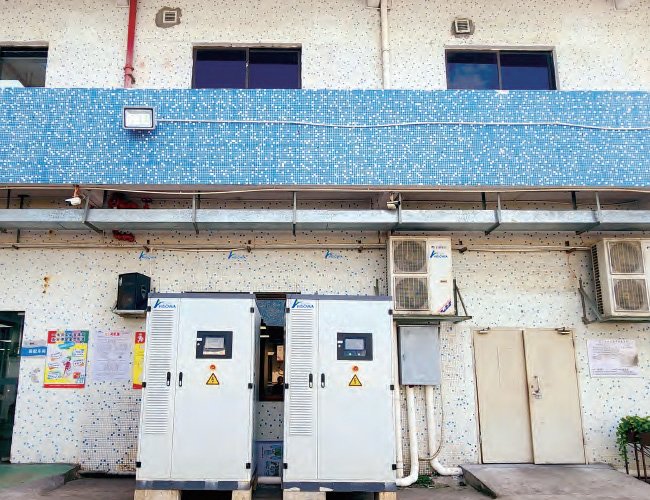
The energy storage battery system provides stable and green power for old residential communities, helping to upgrade outdated electrical infrastructure and improve power reliability.
Related Product (7)

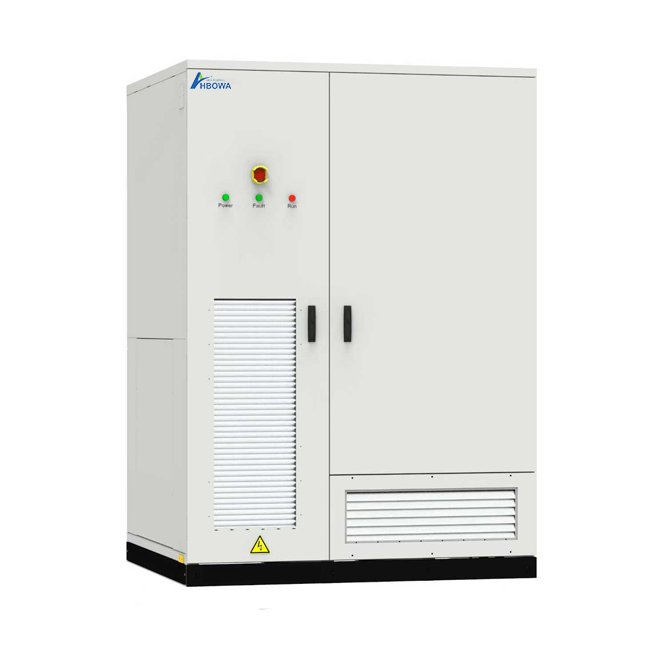


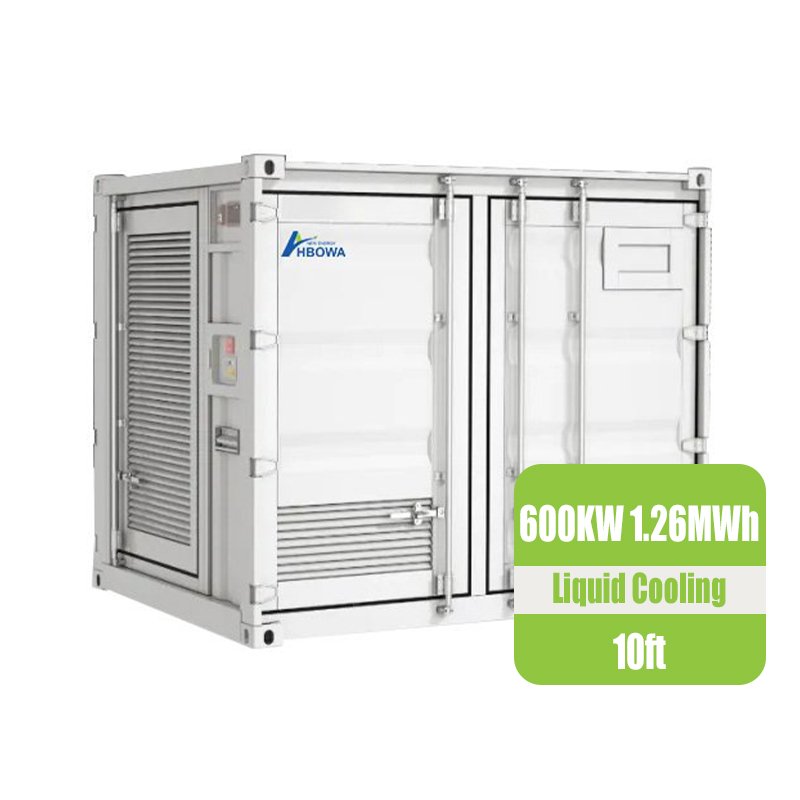
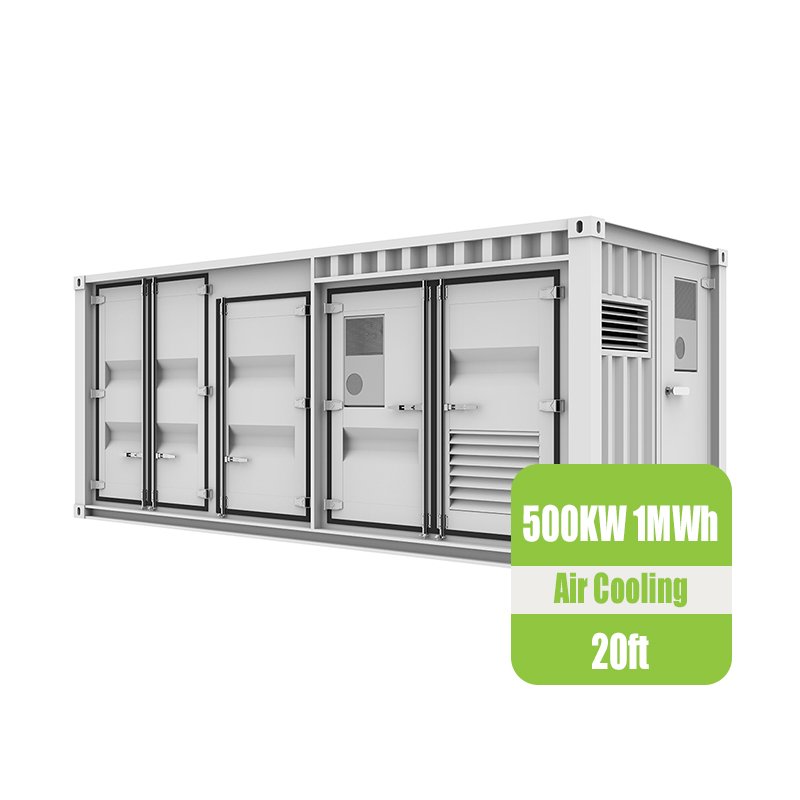
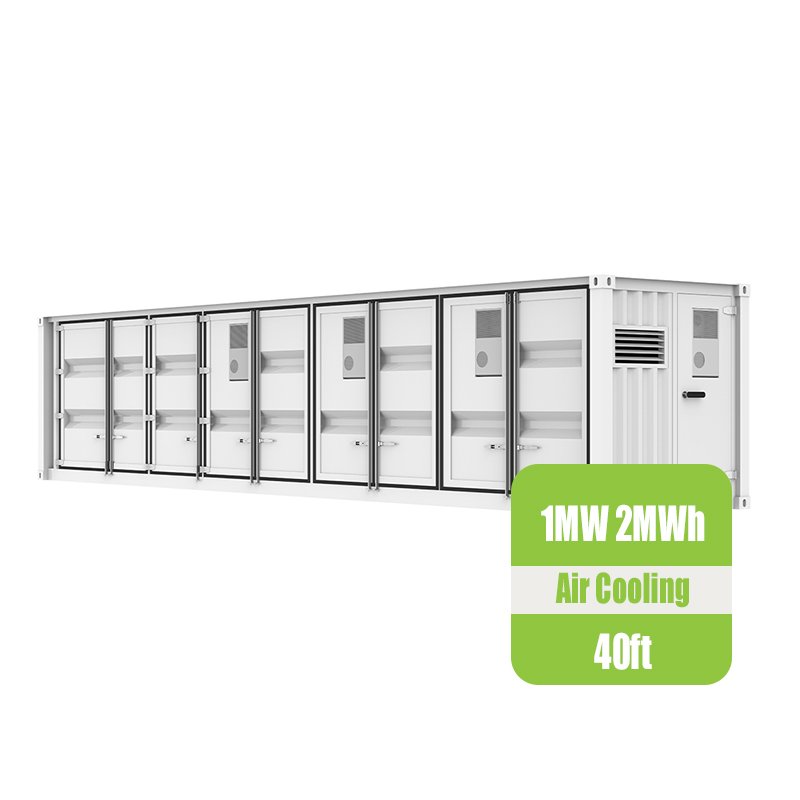
The commercial battery storage systems are large-scale energy storage solutions designed for businesses and industry users. It stores excess electricity—often generated by renewable energy sources like solar modules or wind—for later use such as night or cloudy and rainy days.
Storing the commercial solar storage batteries properly is essential for the safety, reliability, and long-term use. Here are the key points we suggest for you to store these systems:
- Temperature. Store the commercial battery storage in a cool, dry location with an ambient temperature range from -20°C to 60 °C(-4℉ to 140℉), this can prevent the commercial battery storage systems against performance degradation.
- Ventilation. Ensure the adequate airflow to prevent heat buildup of the lithium commercial batteries.
- Away from hazards. Store the commercial batteries away from flammable materials, direct sunlight, or sources of heat.
- Fire Protection Check. The commercial battery storages are always equipped with fire extinguishers such as gas-based systems for lithium batteries, regular check is important for the whole commercial batteries.
There are many benefits to using the commercial solar system batteries, here are the benefits that we conclude for your reference:
- Reduce Electricity Costs. By charging the commercial battery storage system when the grid electricity cost is low, and discharging the batteries for the commercial and industrial load when the grid electricity cost is high, you can save a lot of electricity costs then.
- Demand Charge Management. Commercial and industrial businesses often need demand charges on their highest peak energy usage. With the commercial battery storage system, they can get power from the battery storage system during the peak demand for electricity, which will reduce peak grid energy usage and demand charges.
- Reliability All the Time. When the utility grid is unstable or outage status, the commercial battery storage systems can act as the backup power, which is crucial for industries and commercial applications, such as schools, hospitals, restaurants, and so on.
- Environmental Friendly. Industrial solar battery storages demonstrate environmental friendliness in material selection, manufacturing processes, usage cycles, and recycling. Using commercial battery storage systems for commercial areas and industries not only aligns with the global shift towards green and low-carbon solutions but also provides businesses with a foundation for long-term sustainable development.
First, you need to evaluate both the initial investment cost and the annual net cash flow generated from the commercial battery system.
- Initial Invest Costs. This will include the cost of the commercial batteries, inverters, wiring, housing, and cooling systems. Labor and permitting fees, subtract applicable subsidies, grants, or tax credits.
- Estimate Annual Savings. This will include energy arbitrage savings(which can be calculated as savings = (Electricity price difference) * (Energy discharged over the year)), demand charge reduction savings(which can be calculated as savings = Reduced demand charges * number of demand events), grid services, revenue from better utilization of solar or wind systems by storing surplus energy, and renewable energy credits for supporting the grid, and so on.
- Calculate Net Annual Cash Flow. Net Cash Flow = Total Revenue (Savings + Incentives) – Operating Costs.
- Compute the Payback Period. Payback Period = Initial Investment ÷ Net Annual Cash Flow.
Here’s an example for your reference,
Assumptions:
- Initial investment: $500,000(including installation, batteries,wiring, etc).
- Annual savings including energy arbitrage: $40,000, demand charge reduction: $30.000, grid services: $20,000.
- Annual operational costs: $10,000.
- Net annual cash flow: ($40,000 + $30,000 + $20,000) – $10,000 = $80,000.
Payback Period:
Payback Period = $500,000 ÷ $80,000 = 6.25 years.