



Split Phase Inverter
 Full Home Backup, Day and Night
Solar + Battery Hybrid Ready
Pure 120/240V Split Phase Output
Durable, Safe, and Built to Last
Split-Phase Inverters Built for Real-World Energy Freedom.
Split Phase Solar Inverter - Quality You Can Count On!
Get high power conversion efficiency with split phase inverters, designed for markets using 120/240V AC. For different applications, split phase inverters can be configured as hybrid, off grid, and on grid types.
HBOWA offers a complete portfolio of split phase inverters to meet the market needs, enabling tailored solutions for residential, small commercial, and backup power projects. We have cooperated with many solar importers and sold many split phase solar inverters for the last 5 years; the feedback has been pretty well.
Just join us now to boost your solar business.
Hybrid Split Phase Inverter Low Voltage
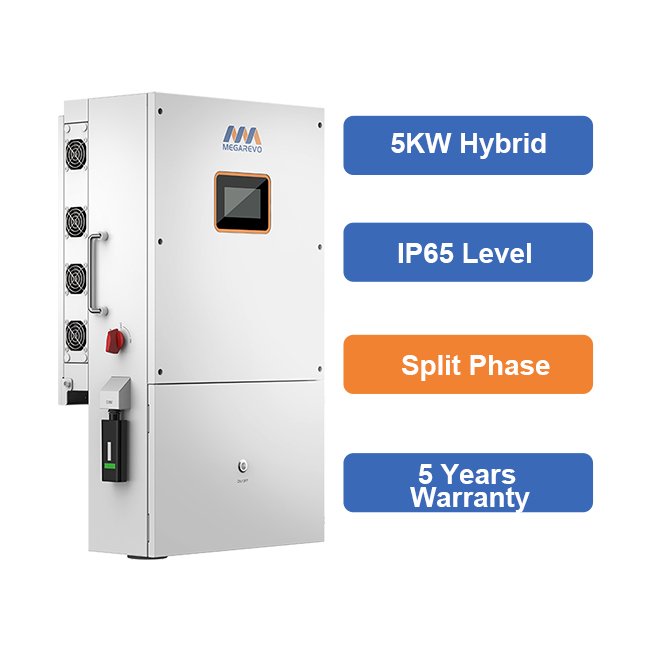
Rated Output Power: 5/6 KW
Battery Voltage: 48V, 4 MPPT trackers
MOQ: 1 piece
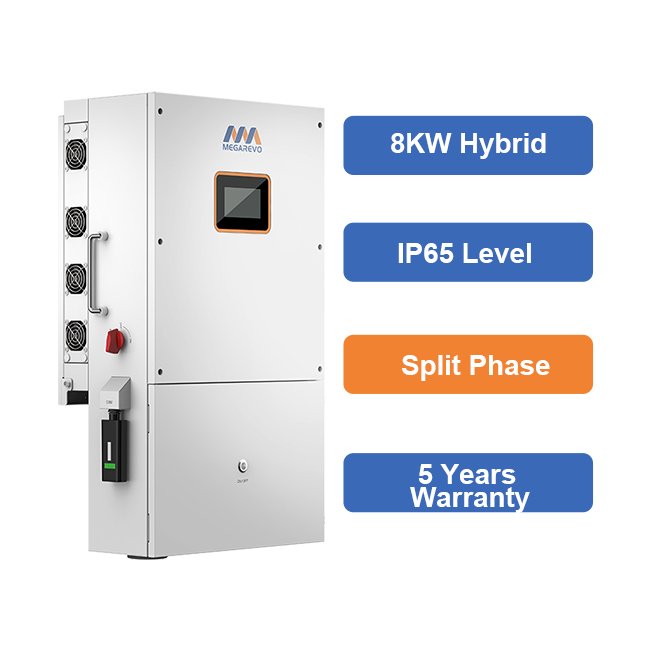
Rated Output Power: 8KW
Battery Voltage: 48V, 4 MPPT trackers
MOQ: 1 piece
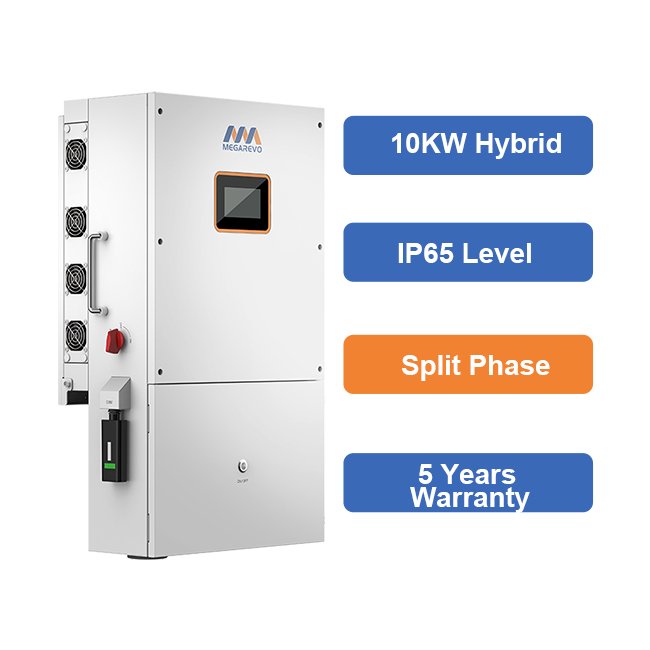
Rated Output Power: 10 KW
Battery Voltage: 48V, 4 MPPT trackers
MOQ: 1 piece

Rated Output Power: 12 KW
Battery Voltage: 48V, 4 MPPT trackers
MOQ: 1 piece
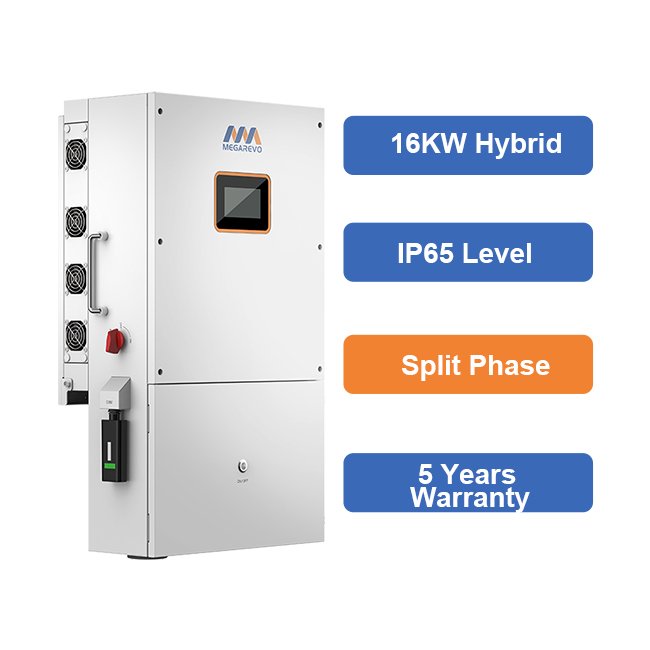
Rated Output Power: 16 KW
Battery Voltage: 48V, 4 MPPT trackers
MOQ: 1 piece

Rated Output Power: 8.8KW
Battery Voltage: 48V, 2 MPPT trackers
MOQ: 1 piece

Rated Output Power: 10KW
Battery Voltage: 48V, 2 MPPT trackers
MOQ: 1 piece

Rated Output Power: 12KW
Battery Voltage: 48V, 2 MPPT trackers
MOQ: 1 piece
Off Grid Split Phase Inverter

MPPT 80A, Rated Power: 6KW
Industrial Frequency
MOQ: 1 piece
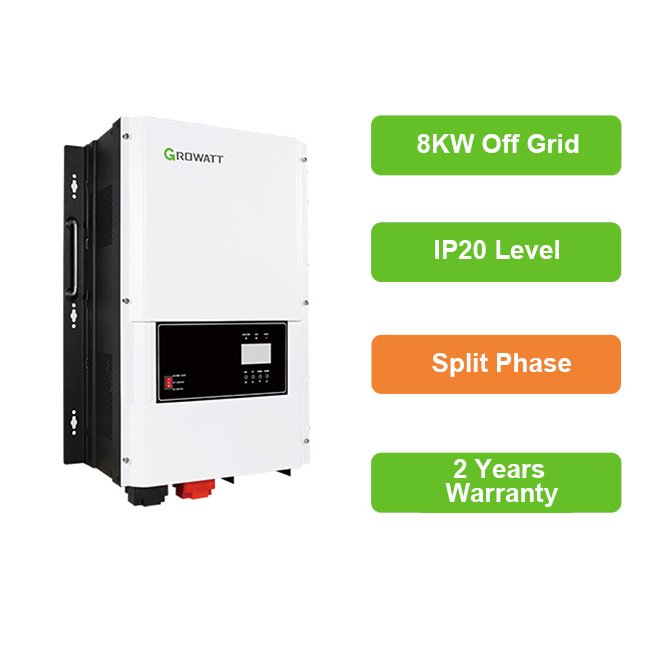
MPPT 120A, Rated Power: 8KW
Industrial Frequency
MOQ: 1 piece

MPPT 120A, Rated Power: 10KW
Industrial Frequency
MOQ: 1 piece

MPPT 120A, Rated Power: 12KW
Industrial Frequency
MOQ: 1 piece
Split Phase Inverter Meaning
A split phase inverter is a device that turns DC power from solar panels or batteries into 120/240V AC power, which is the standard voltage used in North American homes. It provides two 120V lines that are 180° out of phase, so it can run both regular household appliances (120V) and high-power appliances like dryers, pumps, and air conditioners (240V).


How Split Phase Inverters Work
A split phase inverter works by creating two AC power lines from a single DC power source. Here is their working process:
Step 1: DC input is processed
The inverter receives DC power and prepares it for conversion.
Step 2: The inverter generates two opposite AC phases
It forms two separate 120V legs that can power standard household circuits.
Step 3: The phases combine when needed
When a load needs more power, the inverter links both legs to supply 240V.
Step 4: Power is routed to home circuits
The power system sends the voltage needed to each appliance, ensuring efficient and safe operation.
Adavantages of Split Phase Solar Inverter
Split-phase inverters are popular in home solar, off-grid, and hybrid solar systems because they offer:
- Stable backup power during outages
- Support for both 120V and 240V loads
- Easy integration with solar + battery storage
- Higher Efficiency and Lower Wiring Costs
Flexible for Homes, Farms, and Small Businesses


Applications of Split Phase Inverters
Split phase inverters can supply both 120V and 240V power, making them suitable for many home and small business needs, such as
- Residential Homes
- Small Businesses and Workshops
- Farms and Rural Properties
- Light Industrial and Remote Applications
Single Phase vs Split Phase vs Three Phase
Single-phase, split-phase, and three-phase power describe how electricity is delivered to homes and businesses.
- Single Phase: It uses one hot wire and one neutral wire. The voltage varies by country: 120V in North America, and 220–240V in most other countries.
- Split Phase: U.S. system with two 120V lines and one neutral, delivering both 120V and 240V. Best for homes with mixed appliance types.
- Three Phase: It uses three hot wires, each 120° apart. It is commonly used in industrial and commercial applications.
