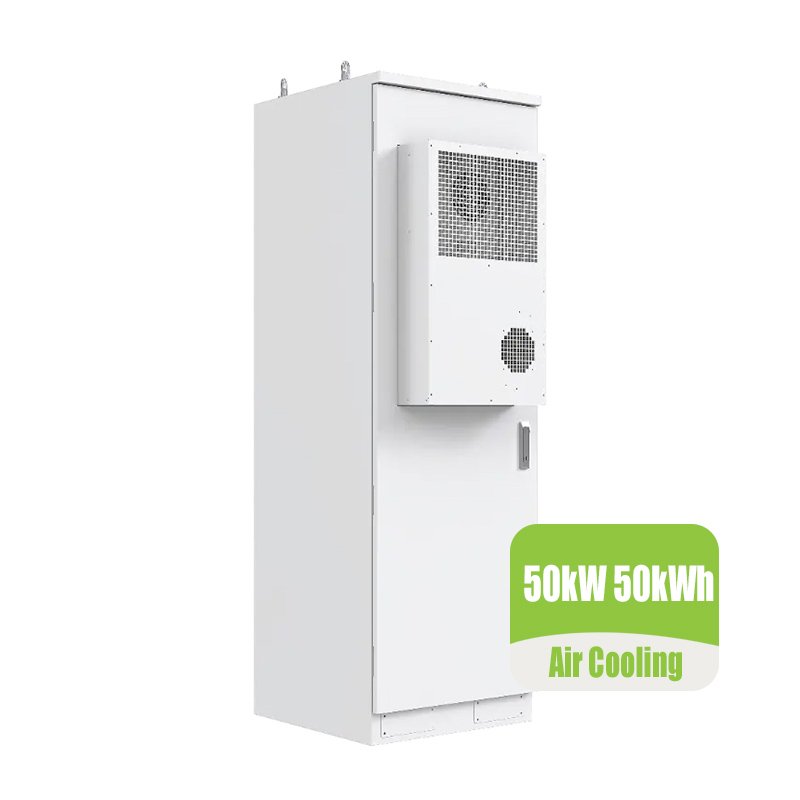


What is AC Coupled Battery Storage
In an AC-coupled battery storage system, the PV inverter and battery cabinet connect through a shared AC bus. The PV array continues to use its PV inverter, while the battery cabinet charges and discharges through a bidirectional PCS. This architecture can retain a compatible PV inverter and allow PV conversion equipment and battery conversion equipment to be selected separately. You can see the ac coupled battery storage diagram clearly.
HBOWA AC Coupled Battery Storage Support
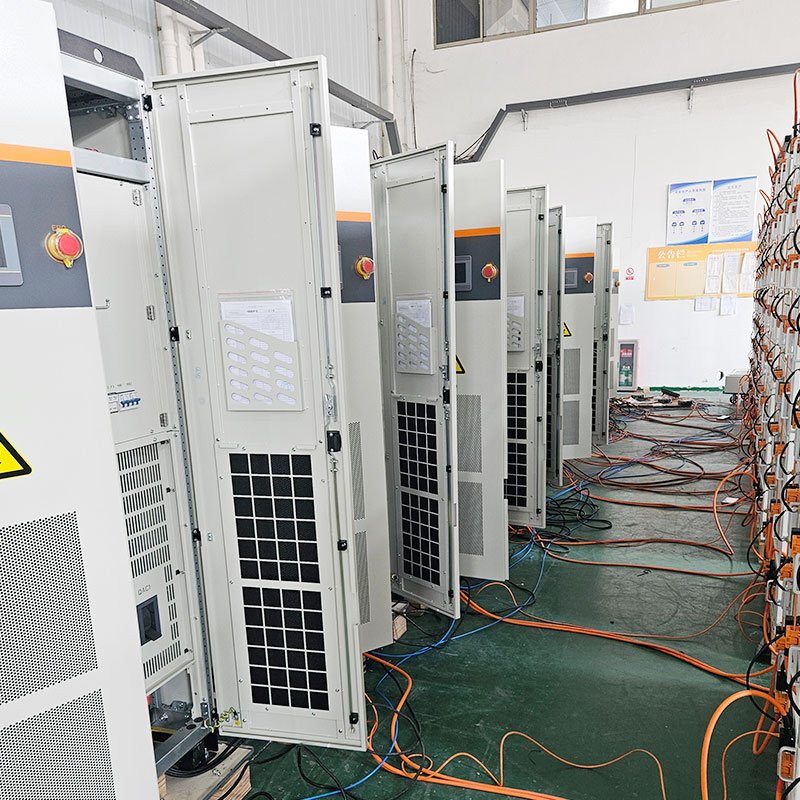
We define the system around your load profile, required discharge power, usable capacity, operating priorities, grid conditions and existing equipment. You can confirm battery capacity, PCS or battery inverter, BMS and EMS functions, three-phase configuration, metering, export control and enclosure arrangement, and we will custom the system accordingly. Since establishing our factory in 2018, we have combined battery manufacturing with integrated energy storage system delivery, keep continuously providing one-stop solution service for our precious clients all around the world.
AC Coupled Storage Cabinets for C and I Projects
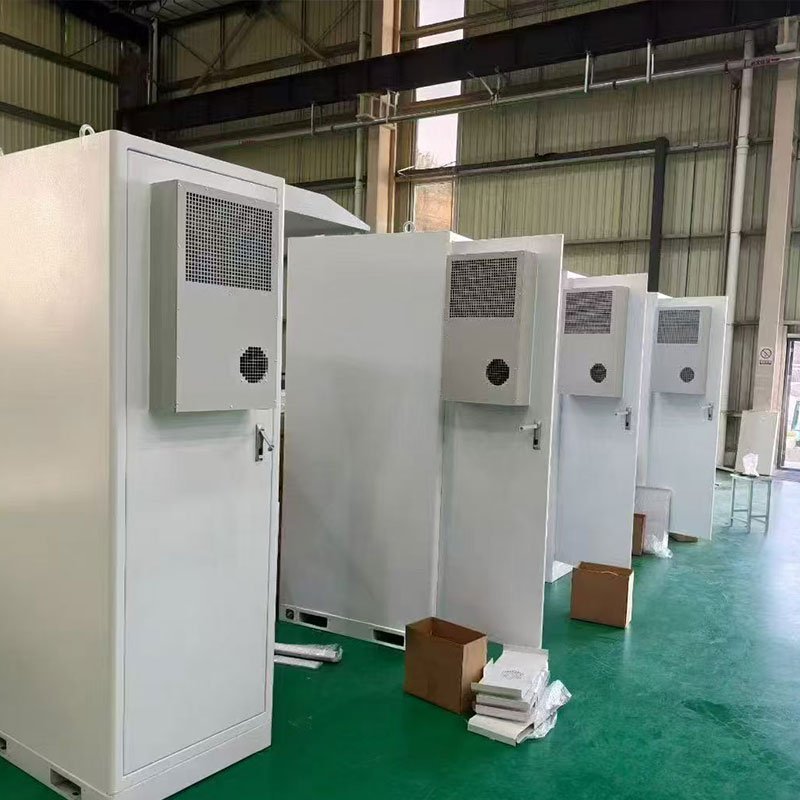
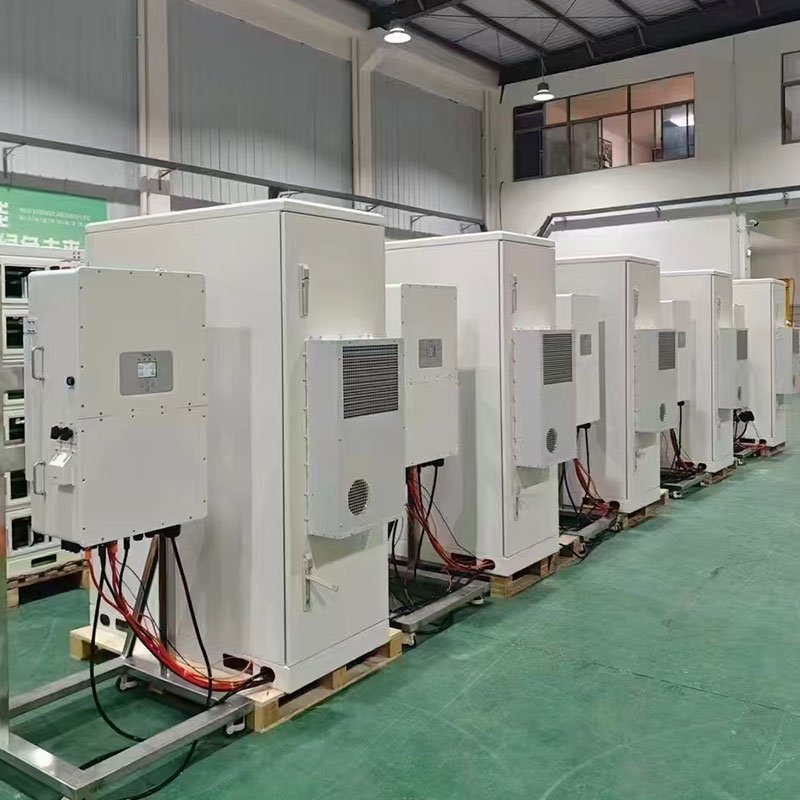
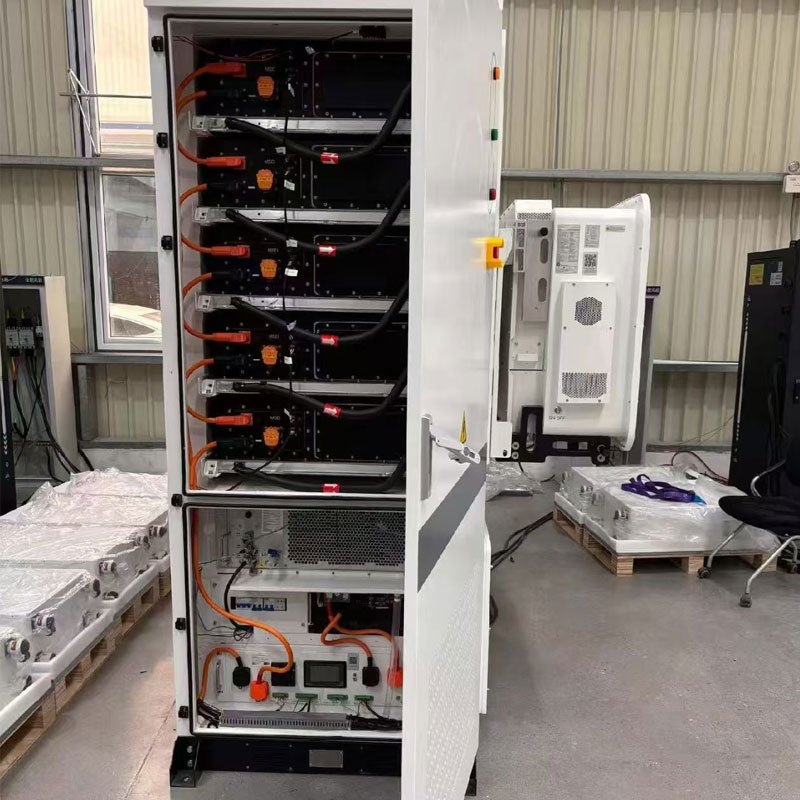
Here are our standard three-phase ac coupled solar battery storage systems. Select the capacity range closest to your project, then let us confirm the AC connection point, existing PV inverter, battery PCS, kW and kWh requirement. We base the final configuration on your site information and custom the tailored solution for you.

- Rated Power: 125 KW/ 100KW
- Rated Capacity: 260 kWh/215KWh
- Cooling ways: liquid cooling

- Rated Power: 100KW
- Rated Capacity: 232 kWh
- Cooling ways: liquid cooling

- Rated Power: 125 KW
- Rated Capacity: 261 kWh
- Cooling ways: liquid cooling
AC Coupled vs DC Coupled Battery Storage
AC-coupled storage connects the PV system and battery system through the AC network, normally with separate conversion equipment. DC-coupled storage connects on the DC side before conversion to AC. AC coupling can be practical when you need to retain an existing PV inverter and add storage in phases. DC coupling can reduce conversion stages when charging from PV.


Where AC Coupling Fits
AC coupled solar battery storage can suit retrofit PV sites, phased solar-storage projects and sites that need the battery system connected to a shared AC network. It can also support projects that need PV generation and battery conversion equipment to be selected and sized separately. We first confirm whether your existing inverter, switchboard, grid connection, metering arrangement and control strategy can support the intended operating mode before we recommend an AC-coupled configuration.
AC Coupled Project Cases

Our engineers designed a 2 MW PCS AC-coupled PV energy storage solution around local photovoltaic resources. The operating strategy stores excess PV power when sunlight is sufficient and releases stored energy during peak-demand periods.
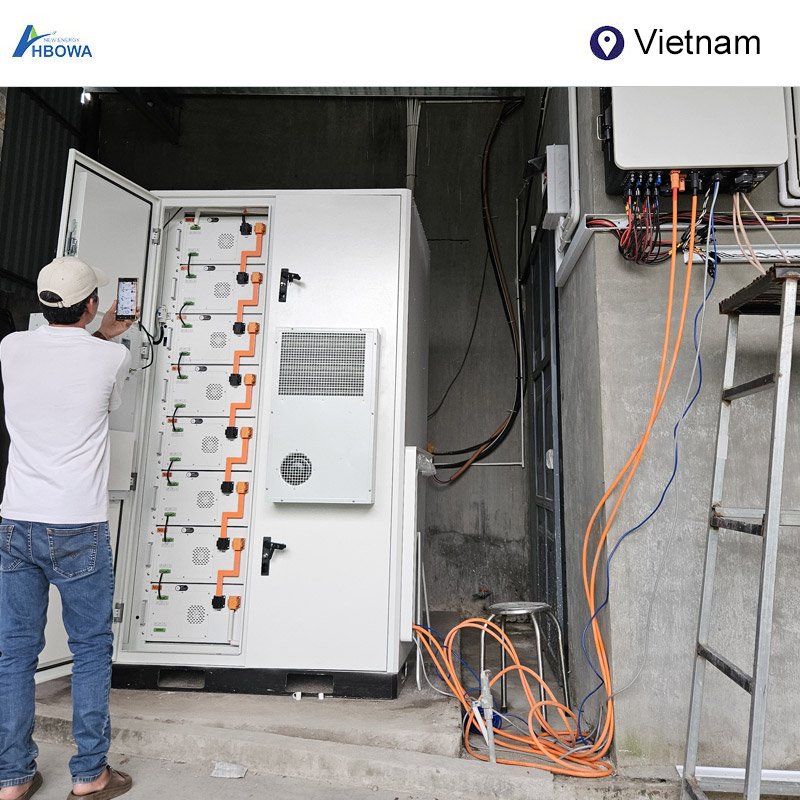
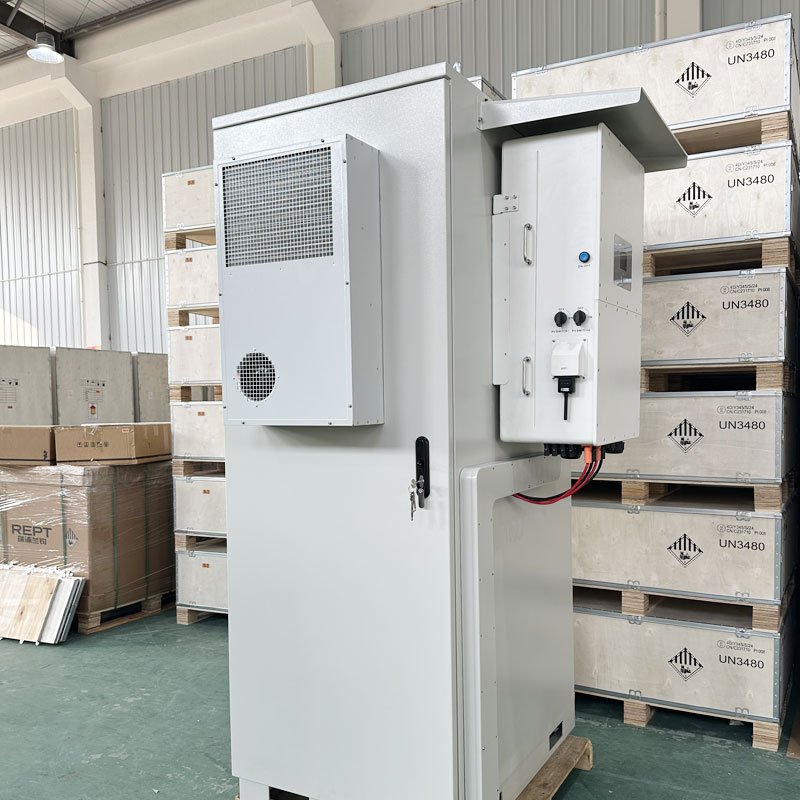
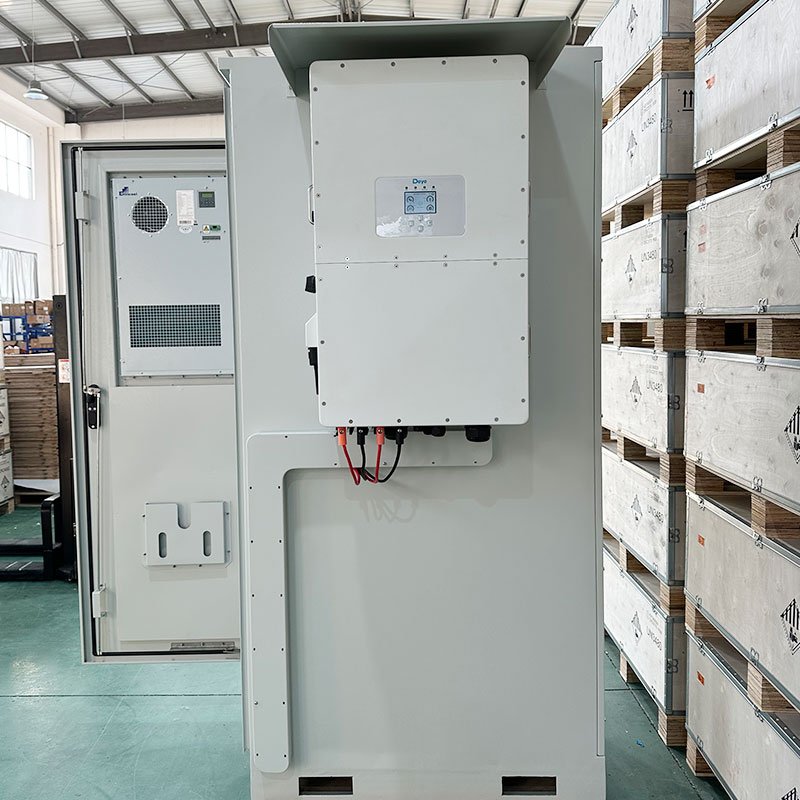
We supplied a 241 kWh battery storage cabinet with an 80 kW Deye three-phase high-voltage inverter for a cafe shop. The project supported lighting, air conditioning, refrigeration, coffee equipment and payment systems.
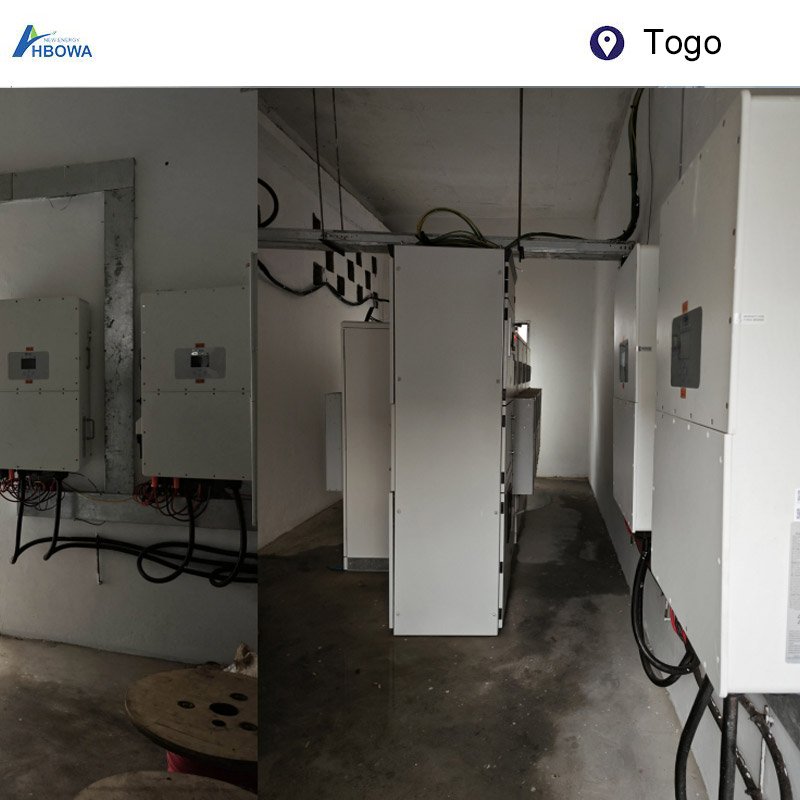
We designed a 300 kW PV and 400 kWh off-grid battery storage system for a no-grid area in Togo. The project combined solar generation, battery storage and energy management for local power supply.
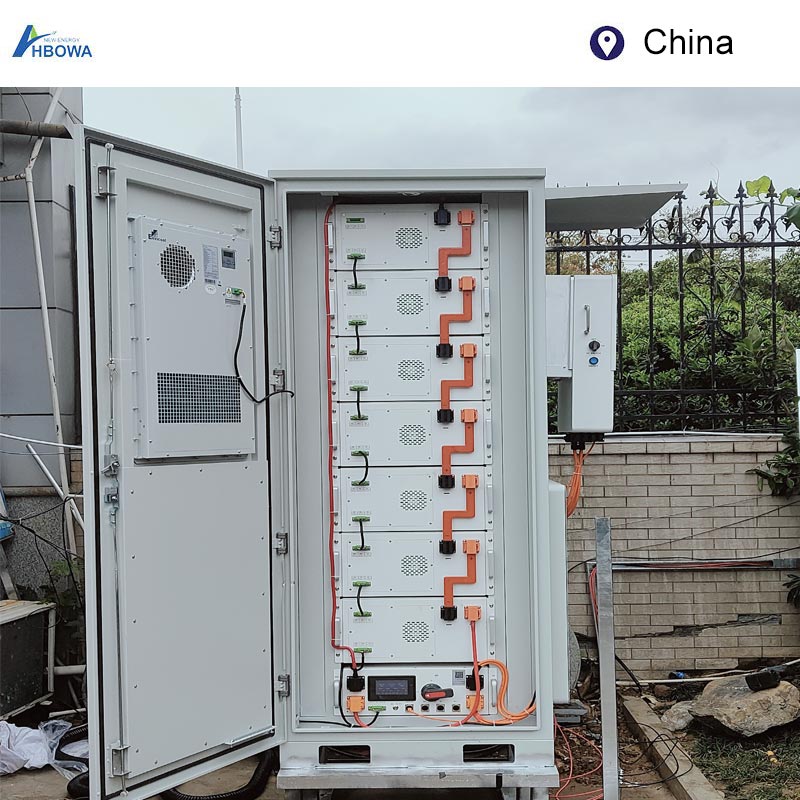
We supplied a 50 kW / 112 kWh energy storage cabinet with a 50 kW Deye hybrid inverter for a small factory in Zhenjiang. The system was specified for factory self-use, peak shaving and backup power.
Energy Storage Systems in HBOWA
- Factory Details
- Shipping Show
- Certificates
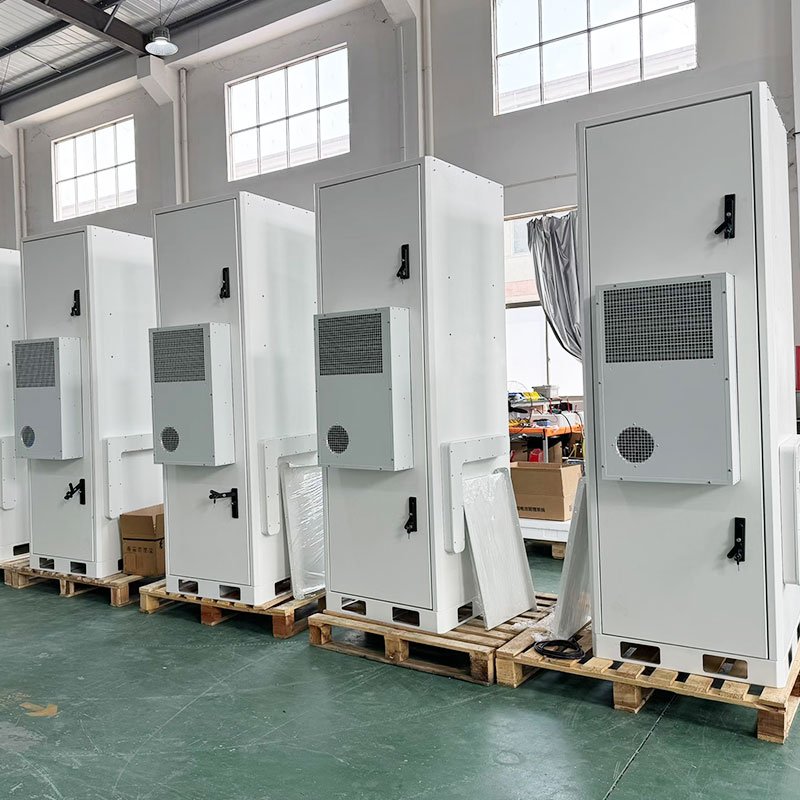
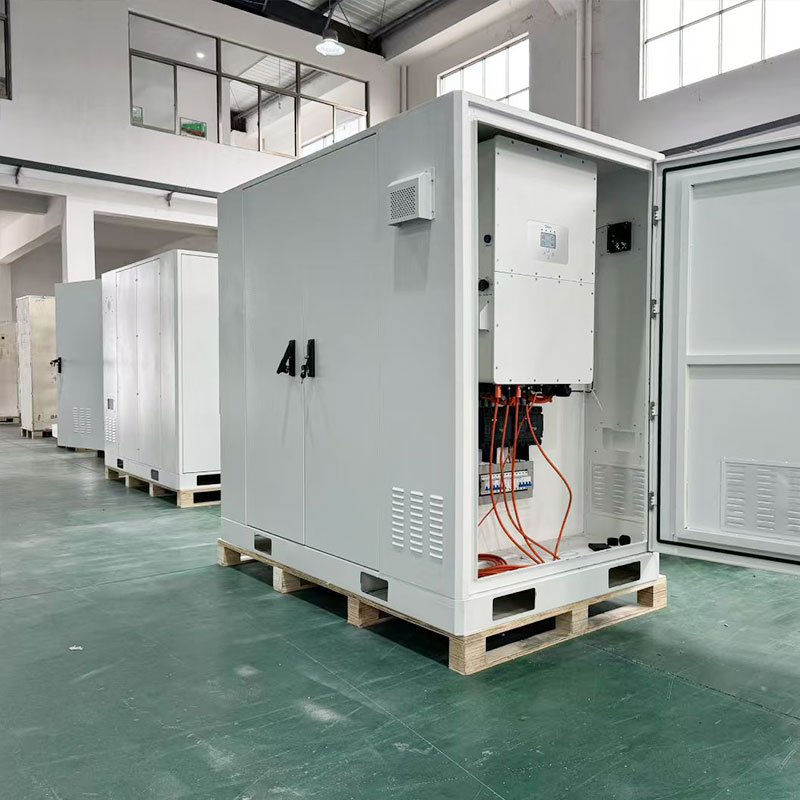
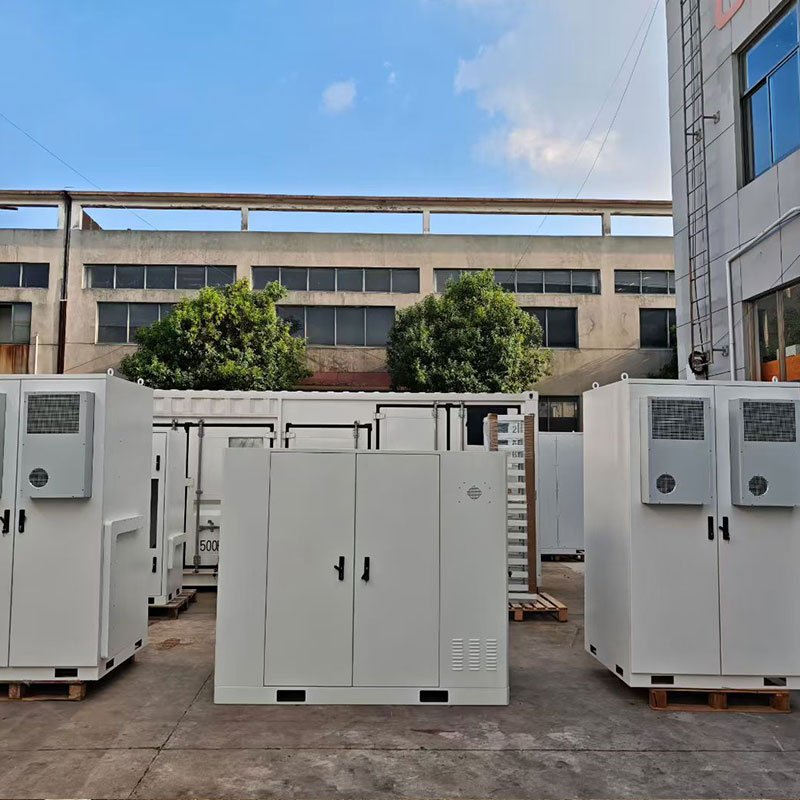
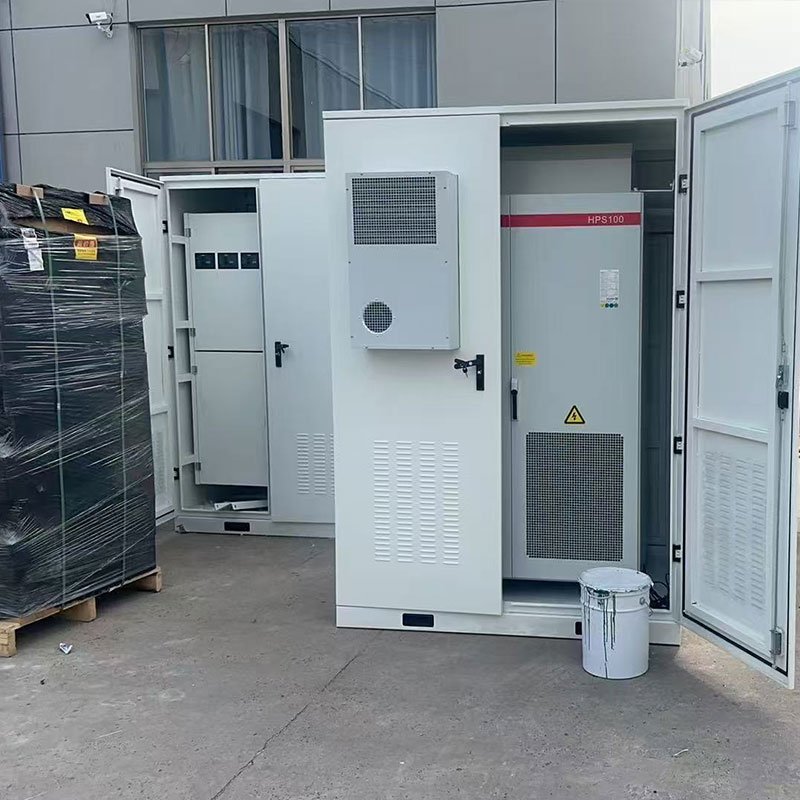


FAQ
Yes, you can upgrade an existing solar system with AC-Coupled Battery Storage while retaining the PV inverter. A separate battery inverter connects the storage system to the AC network. Compatibility still depends on the electrical design, metering, controls, and grid requirements. We recommend checking the existing inverter, switchboard capacity, and intended operating modes before specifying a retrofit, particularly if backup power is required.
AC-coupled storage connects the battery and PV system through the AC network, normally using separate conversion equipment. DC-coupled storage connects them on the DC side before conversion to AC. AC coupling can suit existing solar installations; DC coupling can reduce conversion stages when charging batteries from PV. Neither architecture is always more efficient or economical. It depends on your application site.
AC-coupled battery storage allows PV generation and battery conversion equipment to be selected and sized separately. This can support phased projects, storage additions to an existing site, and integration of multiple compatible AC generation sources.
Choose AC-coupled battery storage around your load profile, required discharge power in kW, usable capacity in kWh, and operating priorities. Check grid voltage and phase configuration, inverter compatibility, metering, export limits, environmental conditions, and applicable safety requirements. HBOWA can help you check throughout the way.
Yes. You can expand an AC-coupled battery storage system if the battery platform, conversion equipment, controls, and electrical infrastructure support the proposed addition.
Yes, AC-coupled battery storage can provide power during a grid outage but only when the system is designed for backup operation. It needs a battery inverter capable of establishing a local grid, suitable isolation from the utility, and coordinated protection and controls.