


Air Cooled Storage Built Around Your Project
For EPCs, system integrators, project developers, channel partners and commercial and industrial energy users, we do not use a single cabinet capacity to define a solution. At HBOWA, we configure air cooled energy storage around your application, operating schedule, ambient conditions, and control requirements. You can work with us to define the battery capacity, PCS and hybrid inverter selection tailored to your application.
Since establishing our factory in 2018, we have combined battery manufacturing with system integration for LFP battery packs, C&I storage systems, outdoor cabinets and containerized BESS. Our team supports system design, product delivery, installation guidance, commissioning and technical training, so you can move from site inputs to a confirmed cabinet configuration with clear responsibilities at each stage.
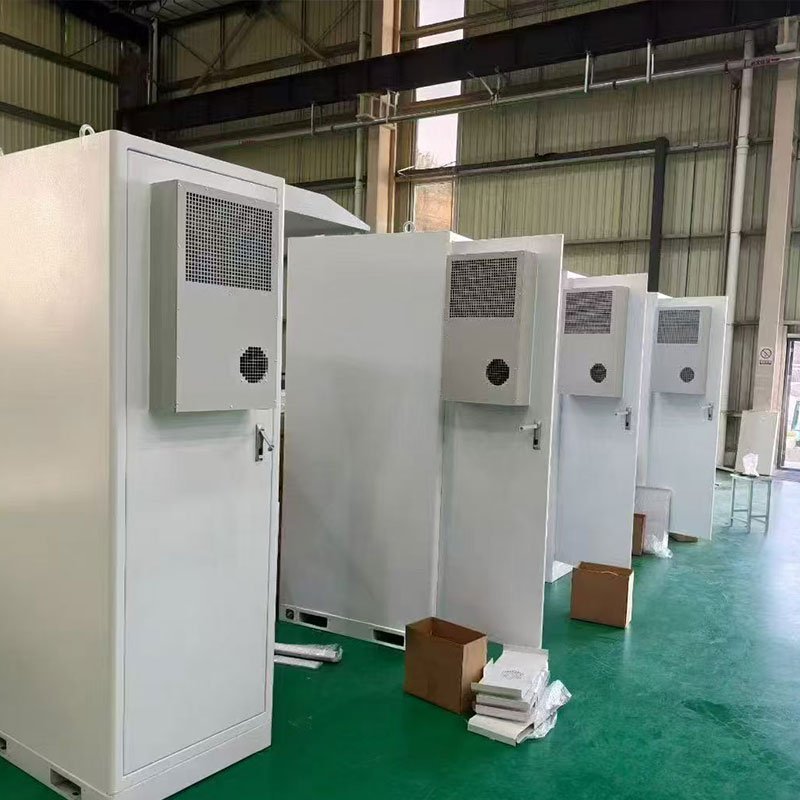
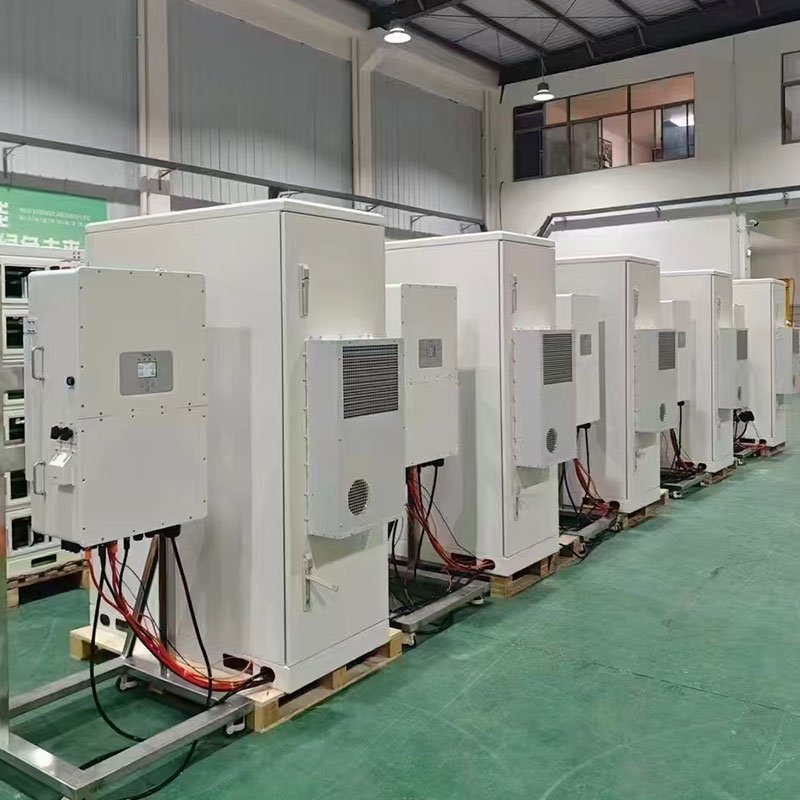
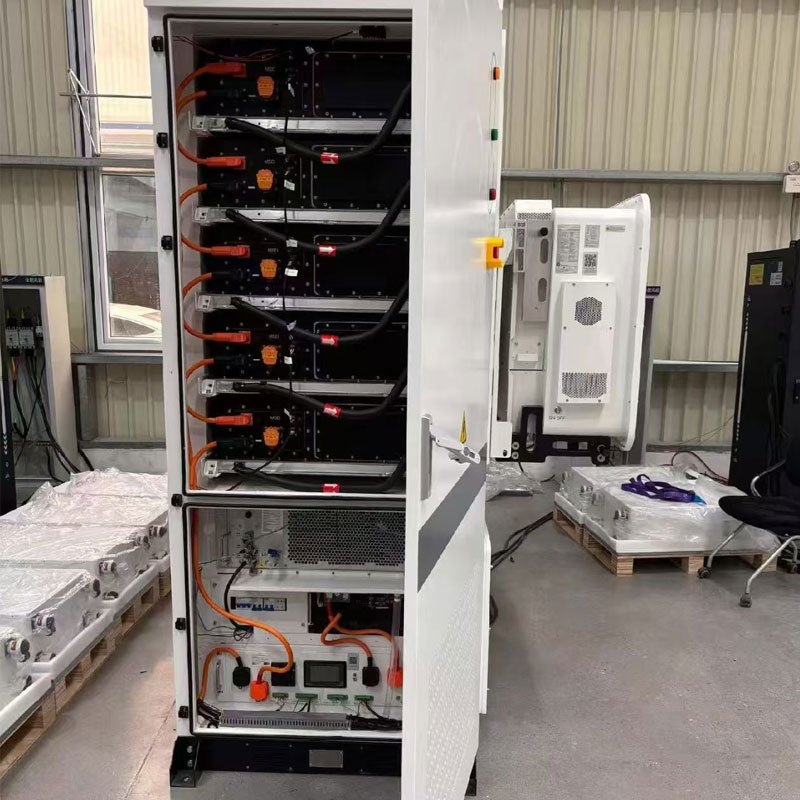
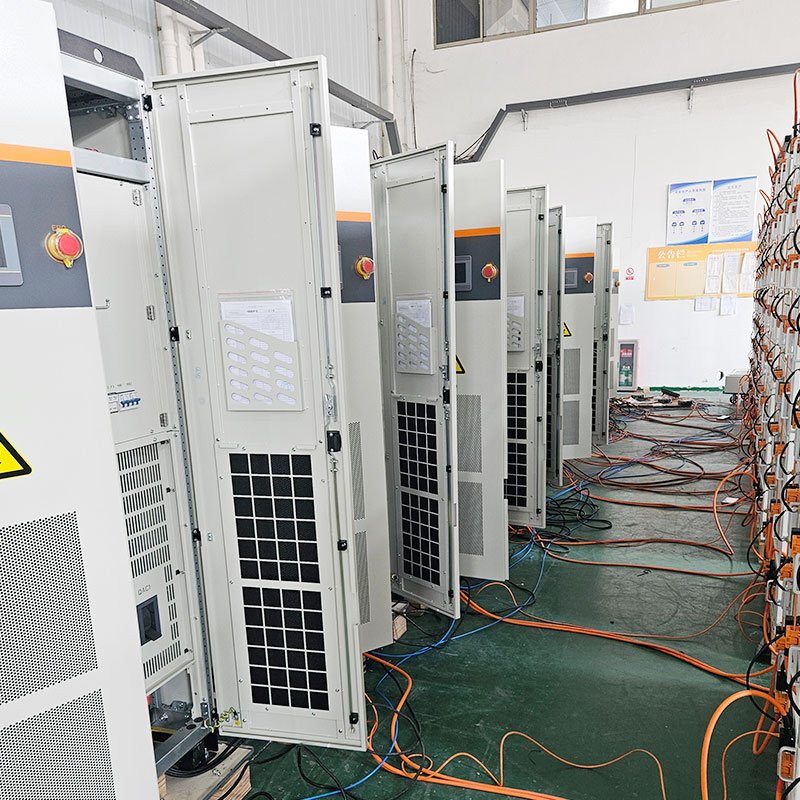
Air Cooled Energy Storage System for Your Business
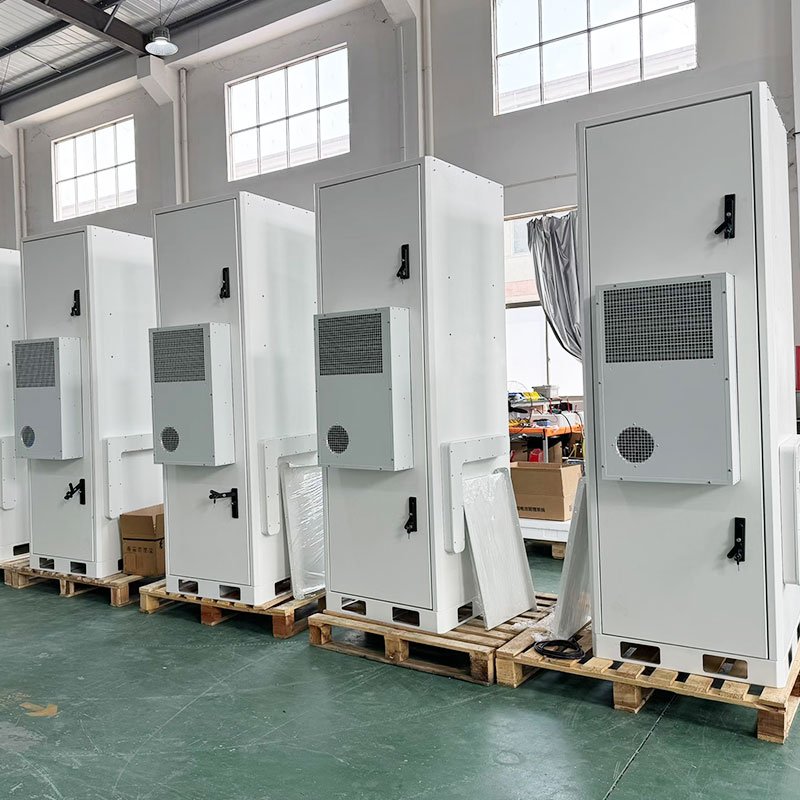
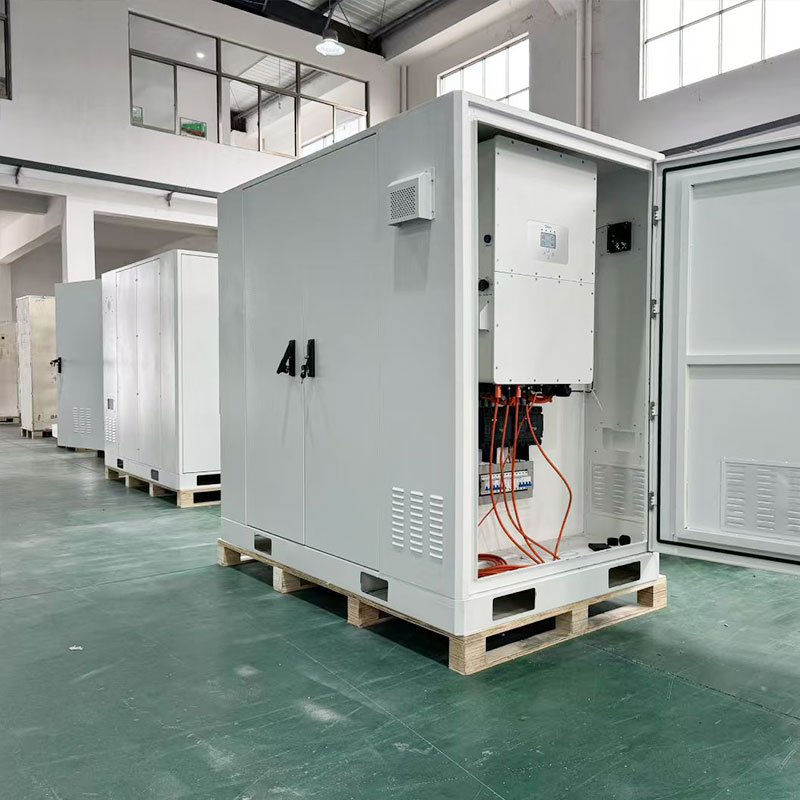
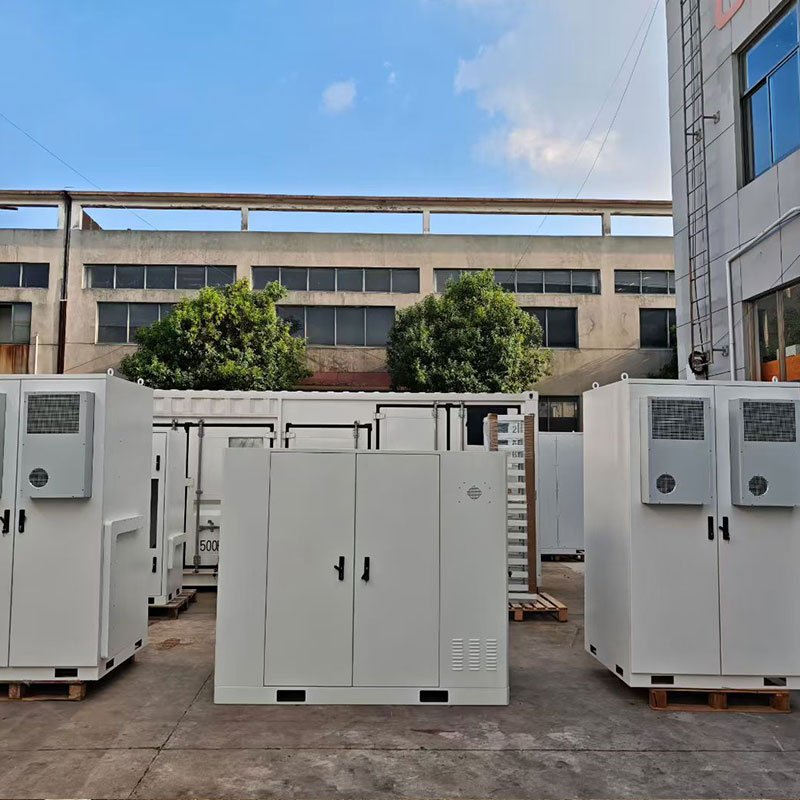
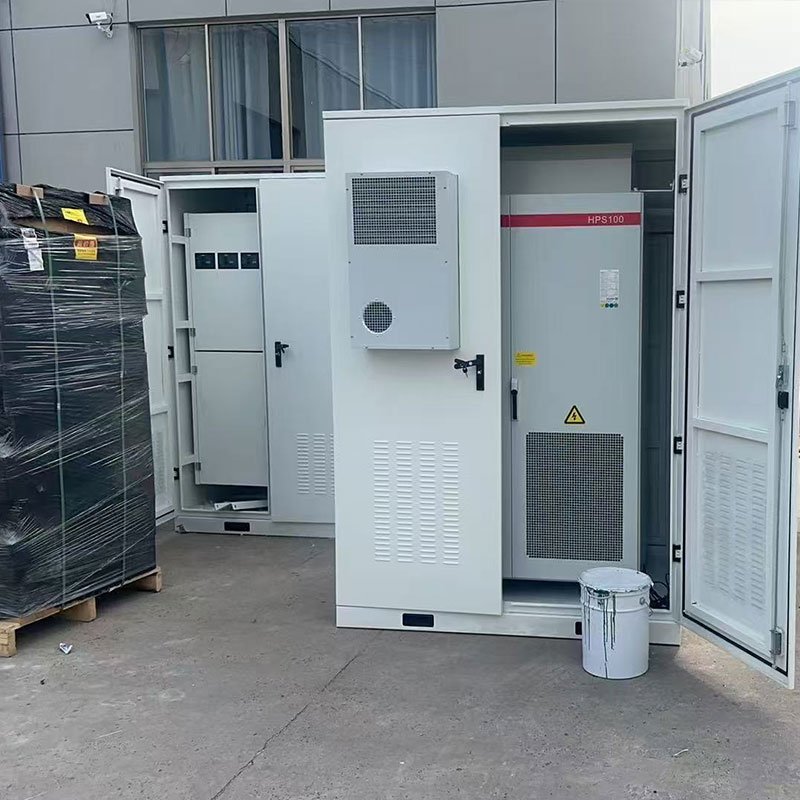
HBOWA provides various air cooled energy storage systems to meet different application needs. Select the capacity range closest to your initial requirement, and we can custom the capacity and power according to your actual project. Feel free to contact us anytime.

- Rated Power: 50KW
- Rated Capacity: 112 kWh
- Cooling ways: air cooling

- Rated Power: 100KW
- Rated Capacity: 225 kWh
- Cooling ways: air cooling

- Rated Power: 125KW
- Rated Capacity: 241 kWh
- Cooling ways: Air cooling

Rated Power: 500KW
Rated Capacity: 1MWh
C&I, microgrid, solar storage

We apply established manufacturing processes and engineering experience to cabinet-based storage projects.

We configure power, capacity, enclosure, electrical interfaces and control functions around your site requirements.

We integrate LFP batteries, BMS, thermal management, PCS, and EMS within one system.

We support design confirmation, delivery, installation guidance, commissioning and technical training.
Performance and Efficiency
Air-cooled performance depends on more than the nominal capacity of a cabinet. We assess ambient temperature, ventilation, airflow paths, potential air recirculation, cycling duty, auxiliary loads and the control strategy before confirming your energy storage system configuration. This allows us to select a system that balances the required energy and power with the operating conditions that influence thermal management and daily energy use.


Application Scope
We design air cooled energy storage systems for solar self-consumption, PV and storage coordination, demand management and peak shaving, backup for priority loads, commercial load support, or microgrid and off-grid operation. The right configuration depends on how your load changes through the day, the available generation and grid conditions, the required backup strategy, and the physical conditions at the installation site.
Safety and Reliability
We build the safety scope into the system design rather than treating it as a single feature. The final cabinet scope can combine the main energy storage system components together with the safety and electrical protection functions specified in the final energy storage system. Before release, we confirm the protection scope, installation environment, certifications, and destination requirements for your final configuration.

Vertical Applications
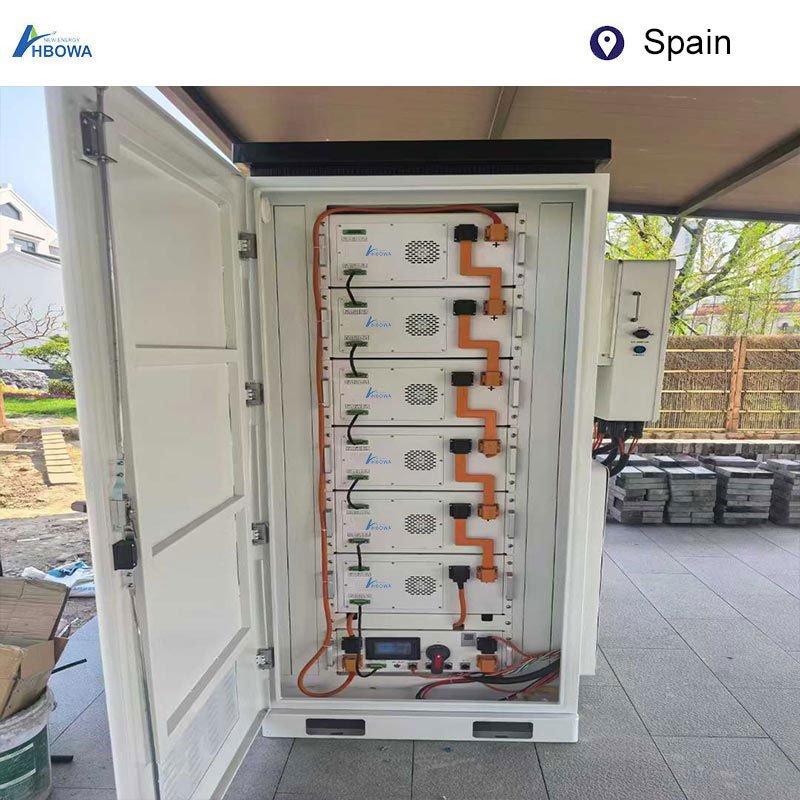
We supplied a 96 kWh energy storage cabinet with a 25 kW Deye inverter for solar self-consumption and priority-load backup in a Spanish villa.
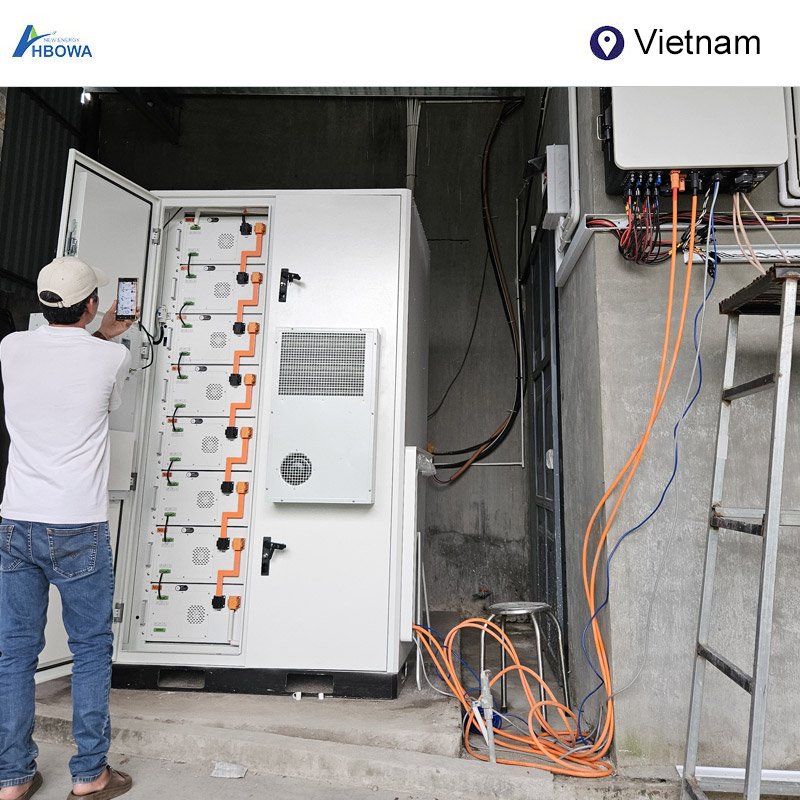
We supplied a 241 kWh battery storage cabinet with an 80 kW Deye three-phase inverter for a cafe-shop project in Vietnam. The scope focused on stable support for commercial loads including lighting, air conditioning, refrigeration, coffee equipment and payment systems.
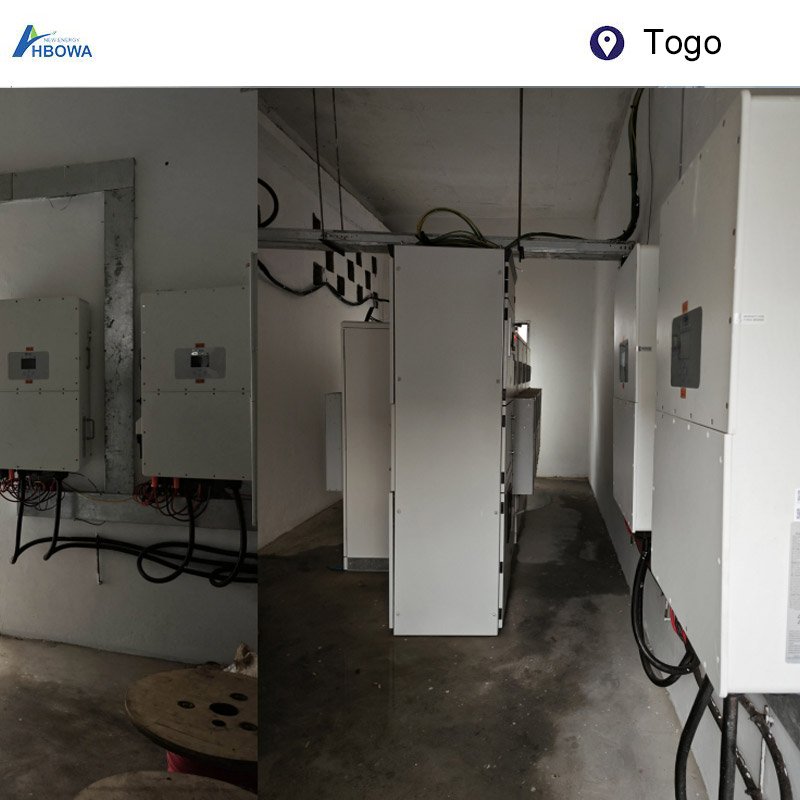
We delivered a 300 kW PV and 400 kWh battery storage system for an off-grid project in Togo. The design combined solar generation, battery storage and energy management around site access, temperature conditions, solar availability and the need to reduce diesel dependence.
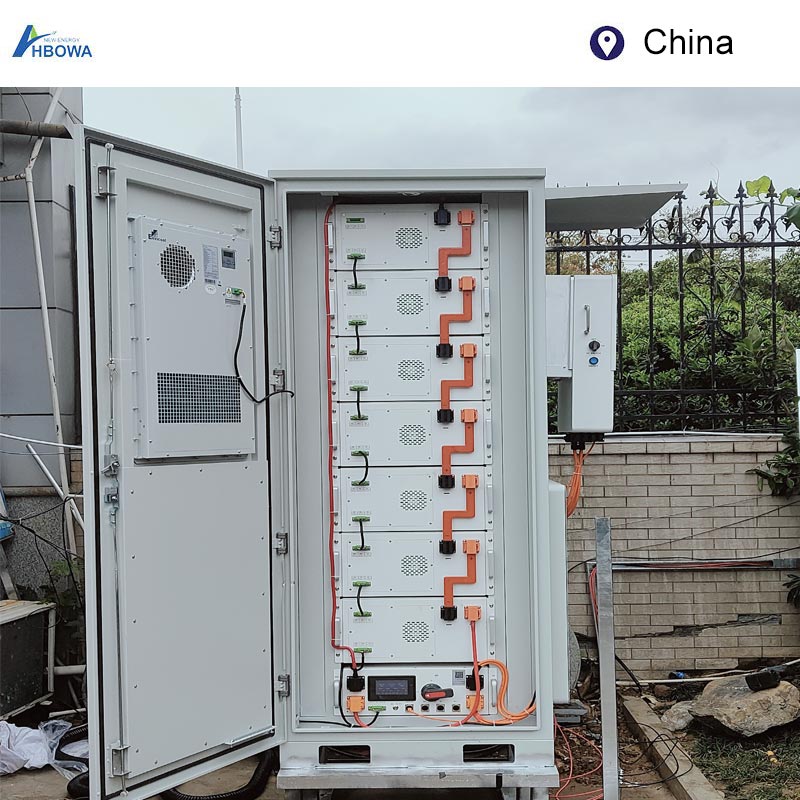
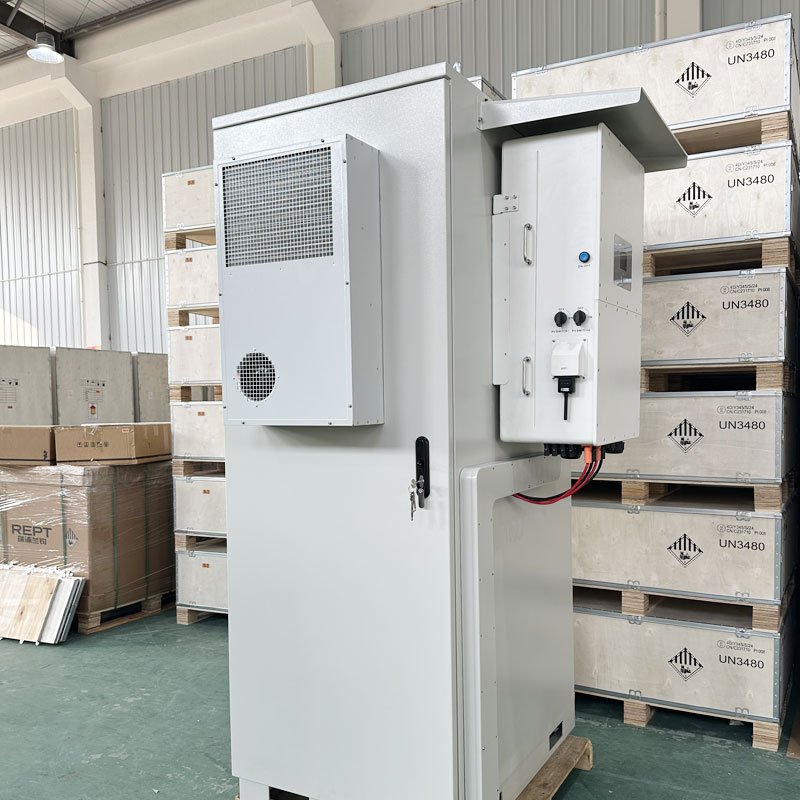
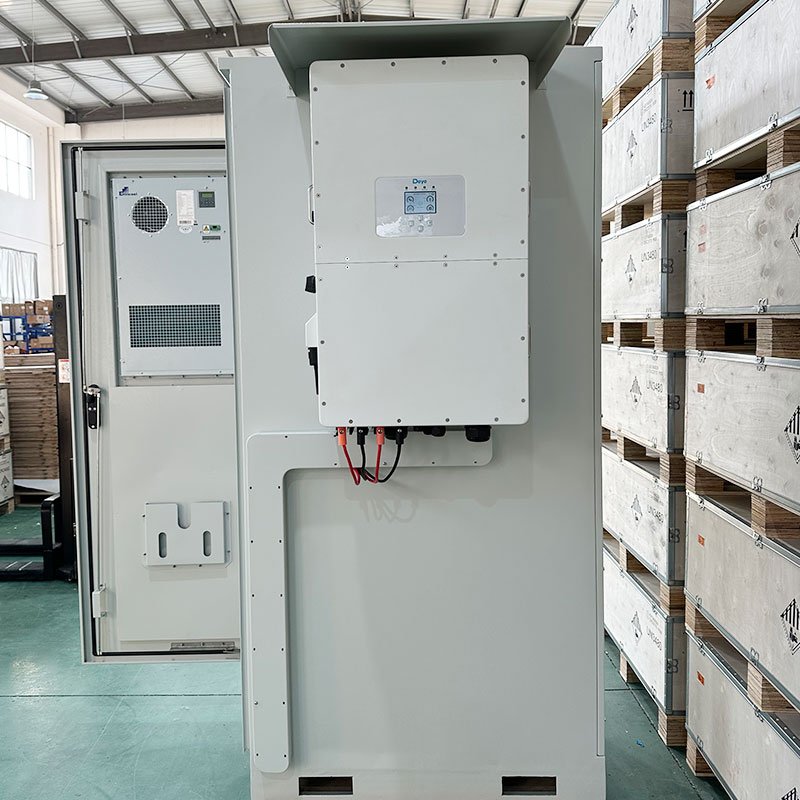
We supplied a 50 kW / 112 kWh single outdoor energy storage cabinet for a small factory in Zhenjiang, China. The system combined a Deye hybrid inverter with LiFePO4 battery modules for factory self-use, peak shaving and short-interruption support.
Energy Storage Systems in HBOWA
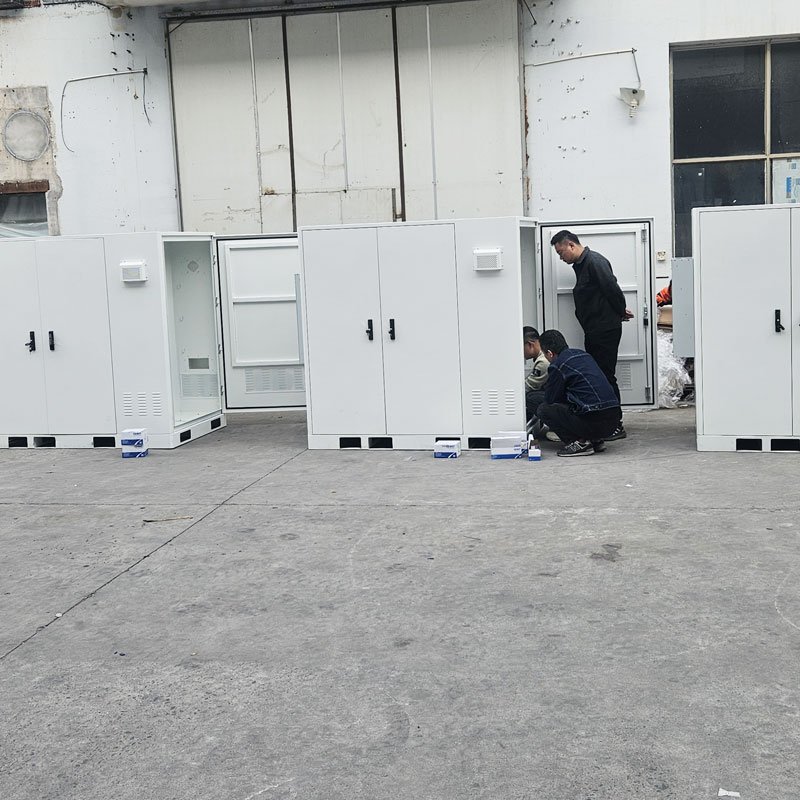
- Factory Details
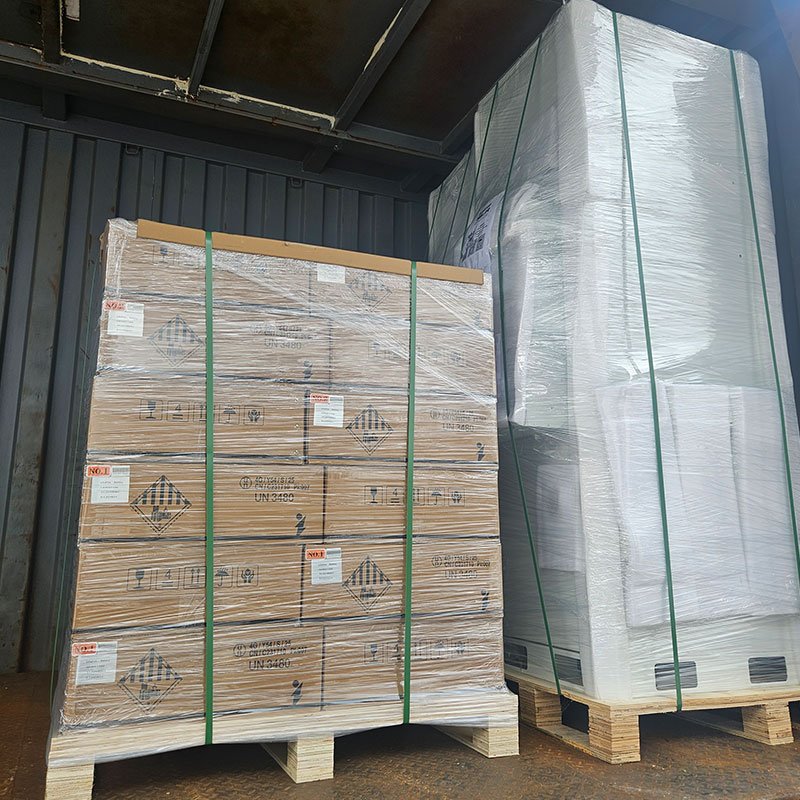
- Shipping Show
- Certificates


FAQ
An air-cooled energy storage system stores electricity in batteries and uses circulating air to remove heat from the battery enclosure. HBOWA air-cooled energy storage systems use air-conditioning unit manage temperature, while the BMS monitors battery conditions.
Choose a supplier that can document how its air-cooled system meets your operating requirements. Request the usable energy capacity, continuous power rating, ambient-temperature limits, derating conditions, and cooling arrangement for the exact model. We recommend reviewing applicable safety documentation, commissioning responsibilities, warranty exclusions, and spare parts support before comparing quotations.
Yes, air-cooled energy storage can reduce electricity costs where tariffs and operating patterns support peak shaving, and time-of-use shifting.
Maintenance should follow the schedule for the complete battery system and its cooling equipment. Checks include filters, air paths, air-conditioning components, condensate drainage, temperature sensors, and alarms. We recommend adjusting inspection frequency for dust and operating conditions within the approved maintenance plan.
Yes, an air-cooled energy storage system can operate in hot or dusty locations only within its specified environmental and installation limits. High ambient temperature may require power derating, while dust can affect airflow and heat rejection. Check the exact model’s enclosure rating, cooling design, service clearances, and maintenance requirements. We recommend using site temperature and dust conditions when reviewing suitability, rather than relying on an outdoor-use label alone.
Review the safety design of the complete system, including battery monitoring, electrical protection, emergency shutdown, thermal management, and the fire protection measures required for the installation.


