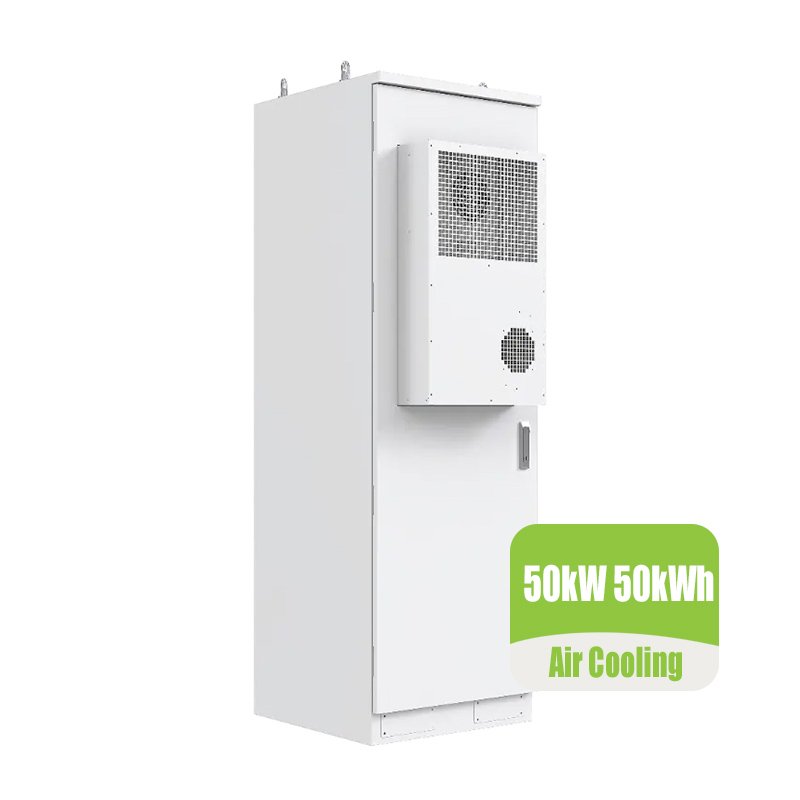


What Is DC Coupled Battery Storage
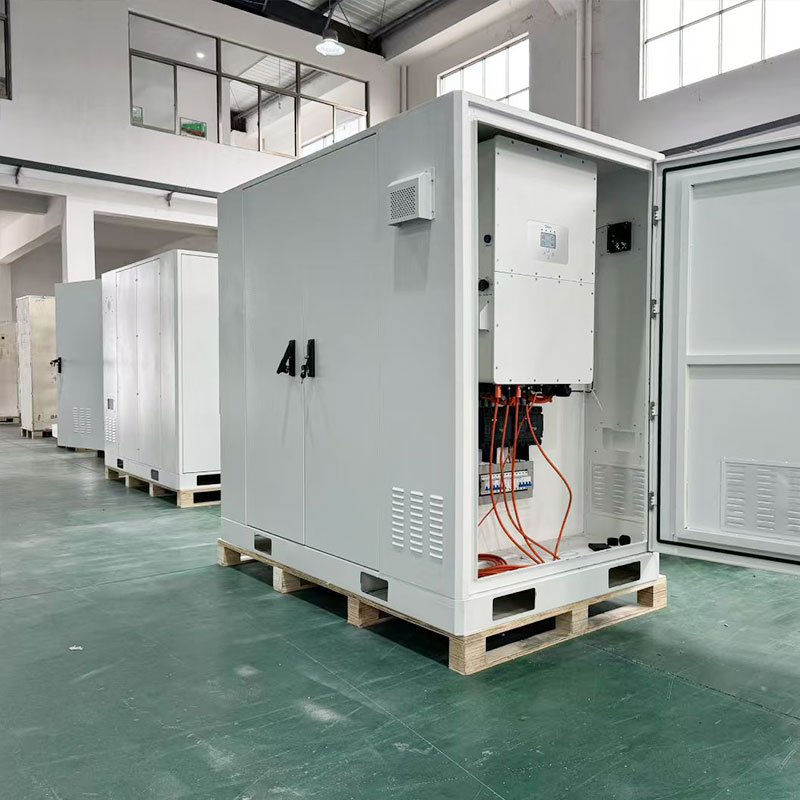
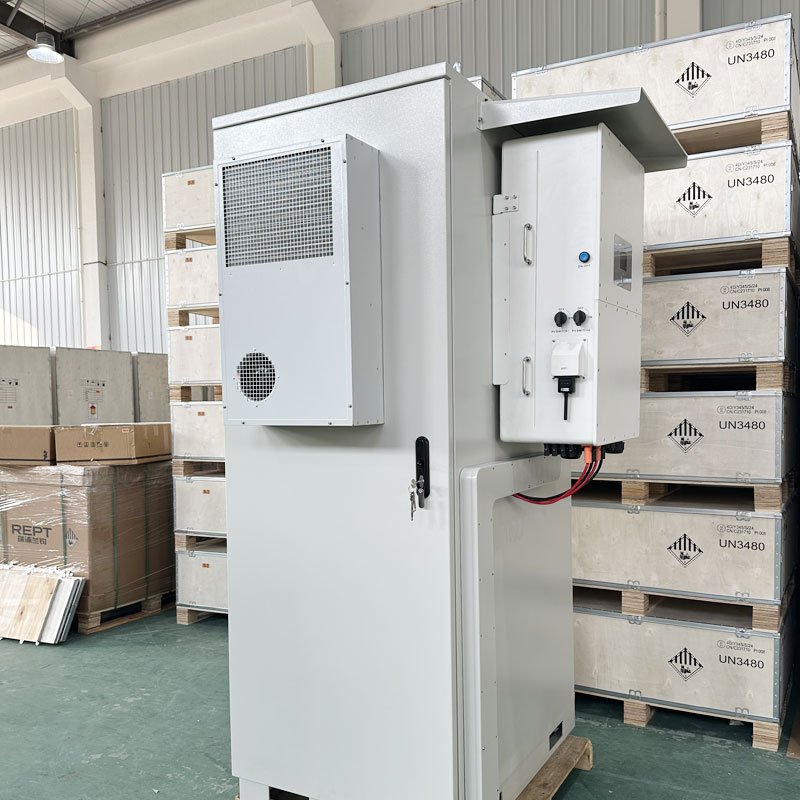
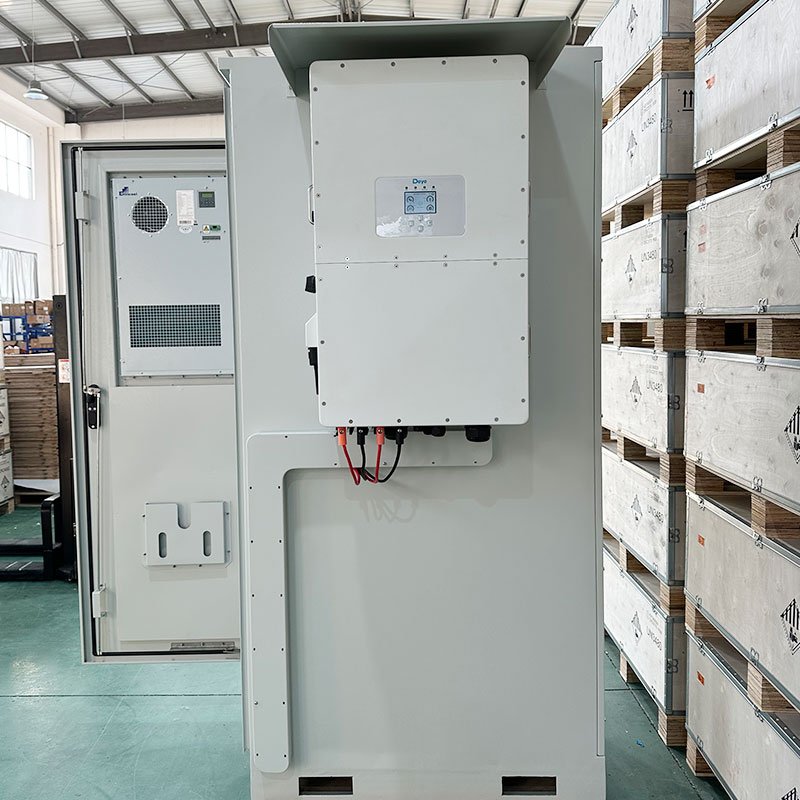
A DC coupled battery storage system connects a PV array and battery on the DC side of one hybrid inverter. The inverter receives PV input through MPPT, manages the battery DC interface and converts power to AC for the grid and loads. HBOWA customizes the cabinet, BMS, hybrid inverter, EMS and enclosure arrangement around the PV capacity, inverter inputs, battery voltage, AC connection and operating targets.
HBOWA DC Coupled Battery Storage Support
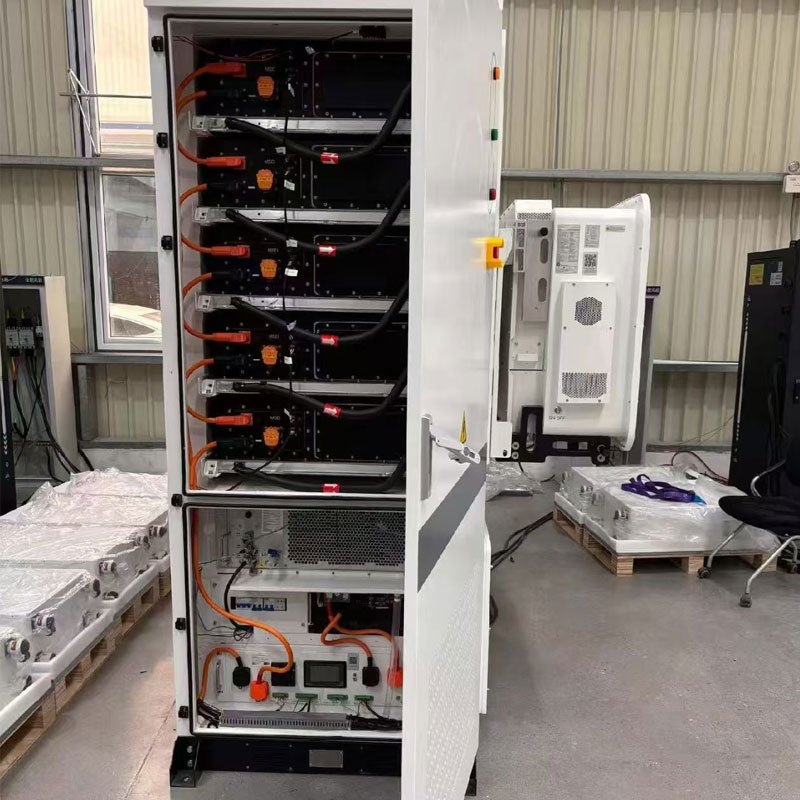
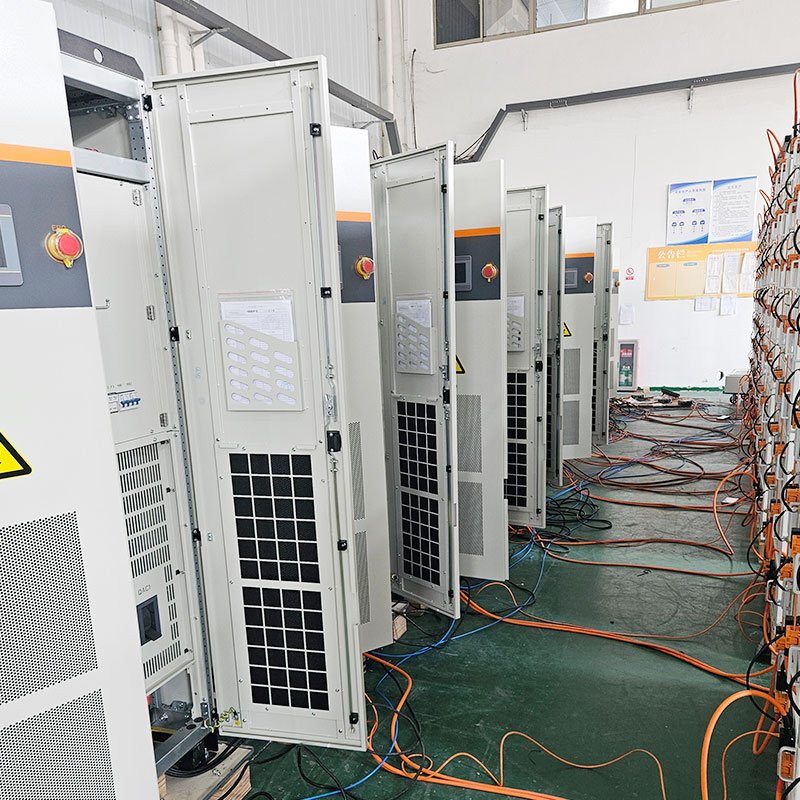
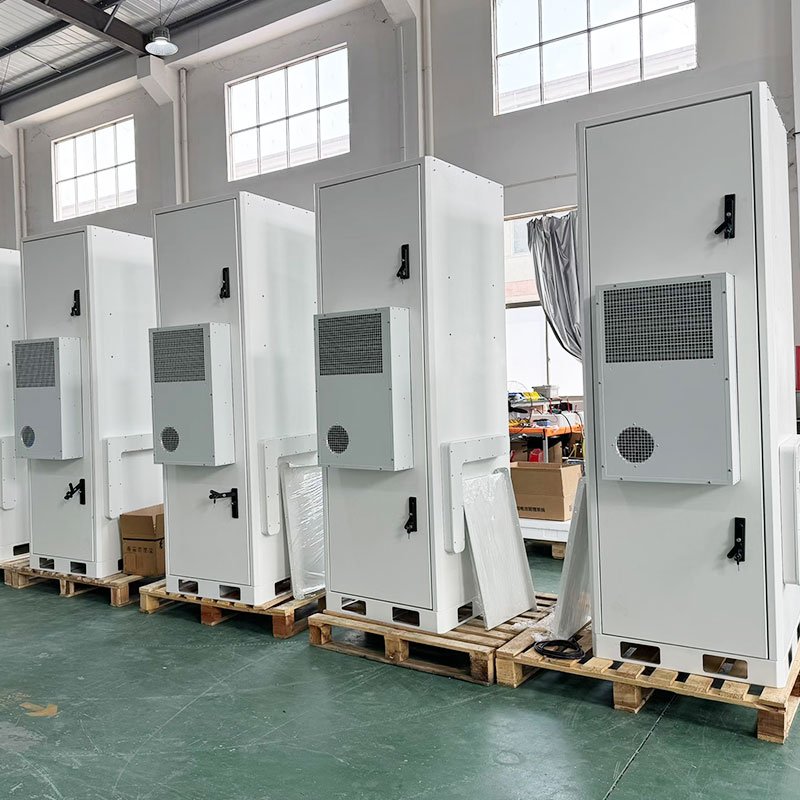
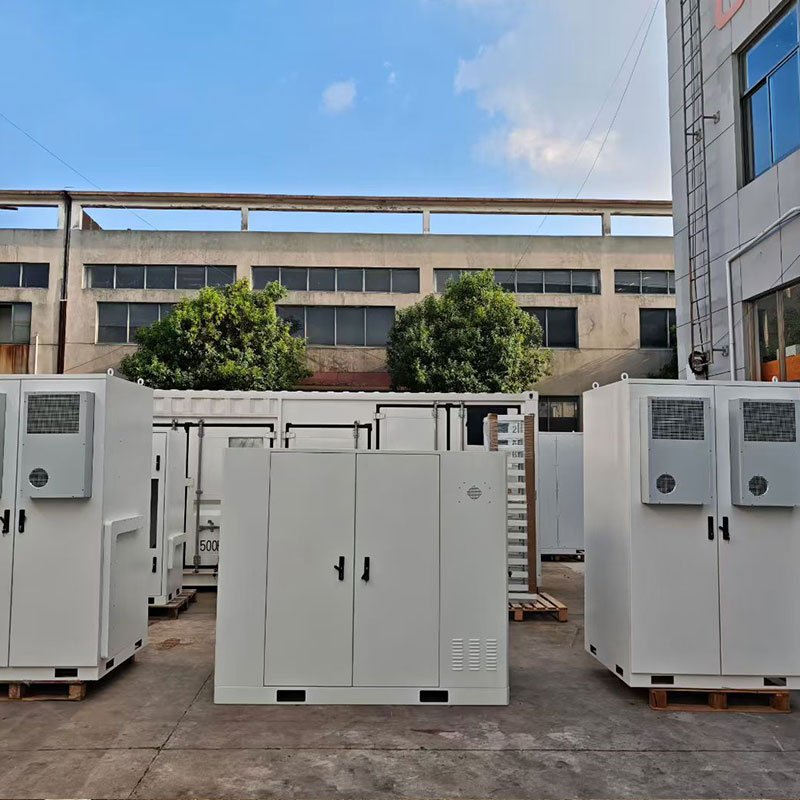
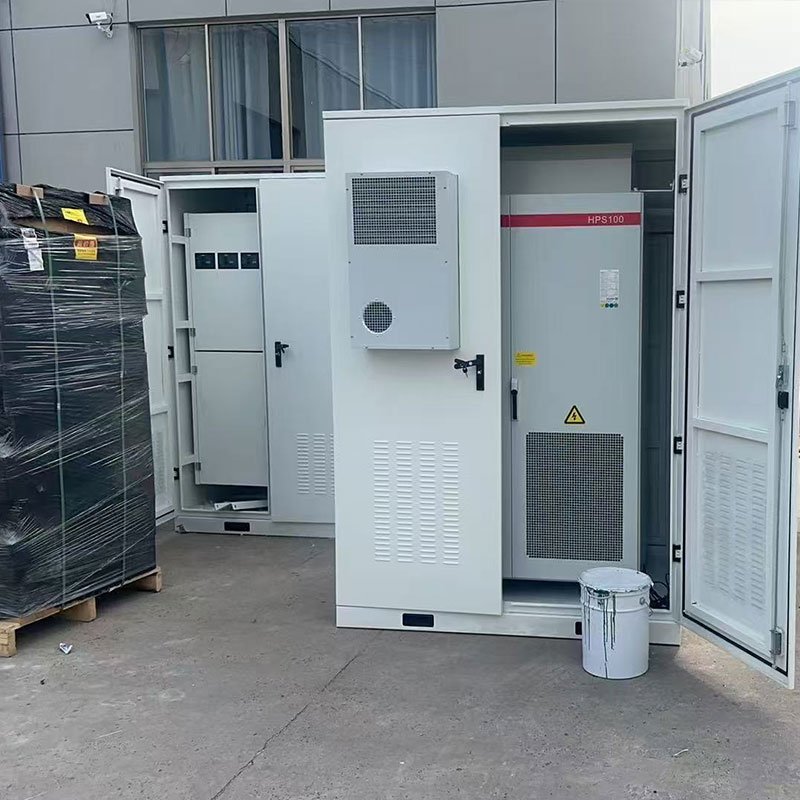
HBOWA provides air-cooled DC coupled storage cabinets in 50 kW / 112 kWh, 100 kW / 225 kWh and 125 kW / 241 kWh starting configurations. We integrate the cabinet, BMS, hybrid inverter, EMS and enclosure around the required power and energy range, battery voltage, AC connection and control needs. These products support commercial solar-storage installations, partner supply programs and repeatable project packages.
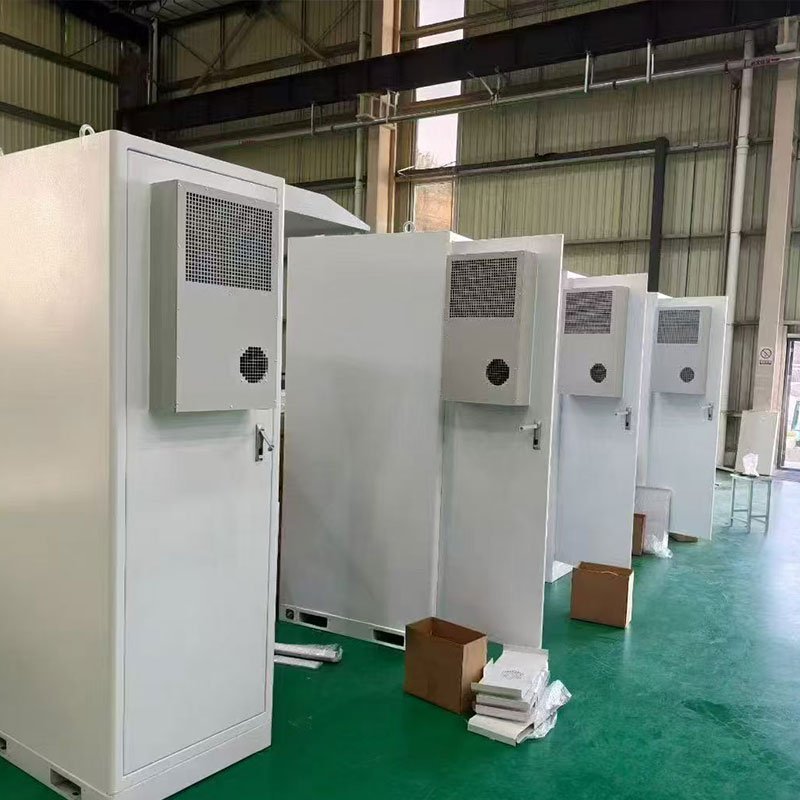
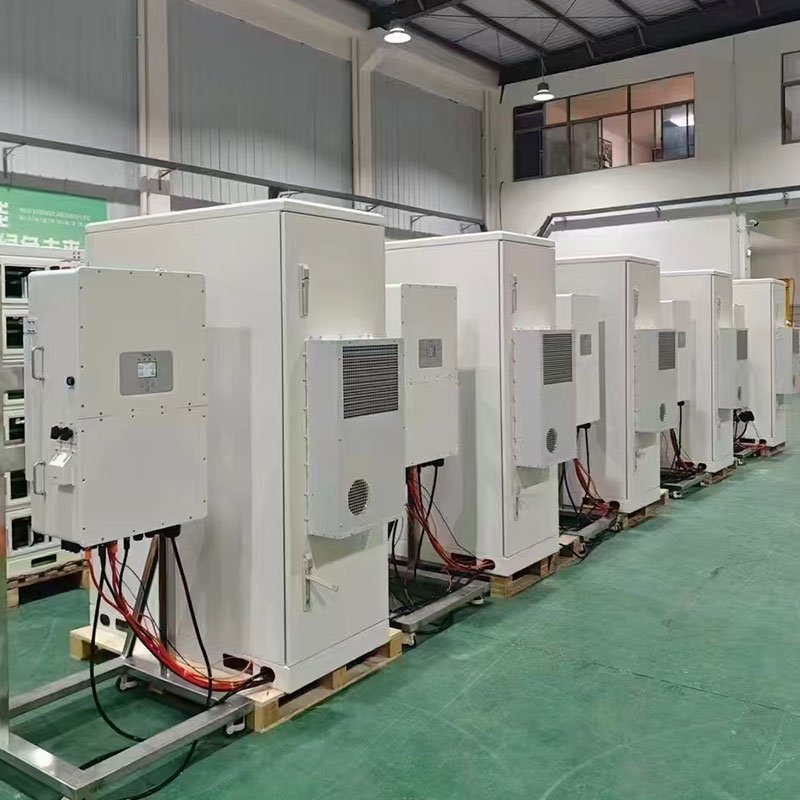
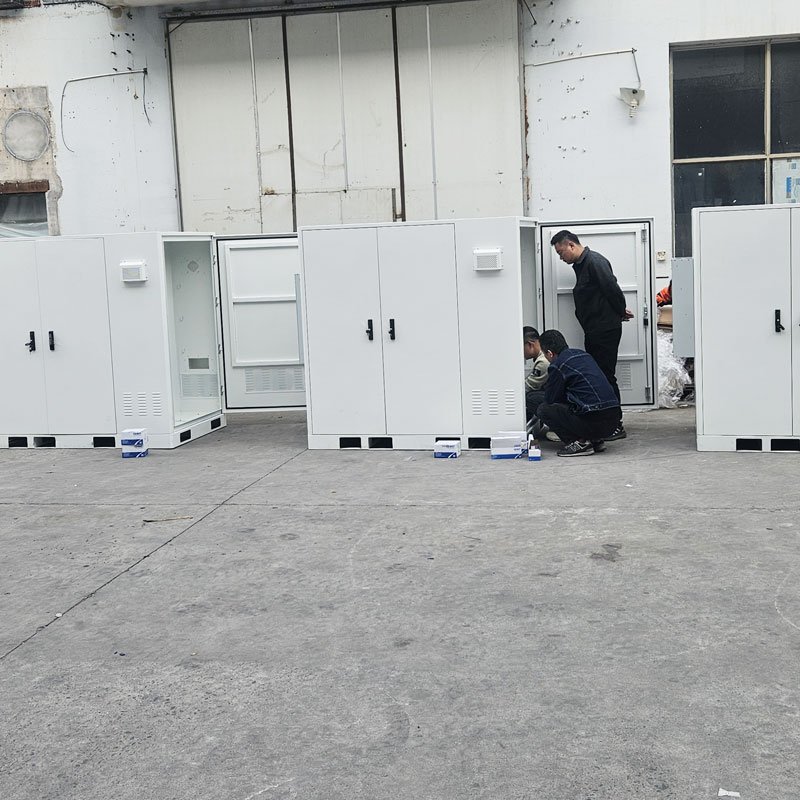
Our factory was established in 2018. We manufacture integrated storage cabinets and have delivered systems for projects in Vietnam and Poland, alongside domestic commercial installations. We support system scope confirmation, delivery, installation guidance, commissioning and technical handover. Let HBOWA support your business with a configuration that fits your product and project requirements.
DC Coupled Storage Cabinets for C and I Projects
These are our standard DC coupled battery storage cabinet starting points. Choose the power and energy range closest to the project, then send us the PV input, hybrid inverter, kW and kWh requirement, battery voltage, grid connection and operating mode. We use those details to define the final system around the confirmed scope, so the cabinet supports the actual electrical design and operating conditions at the site.

- Rated Power: 50KW
- Rated Capacity: 112 kWh
- Cooling ways: air cooling

- Rated Power: 100KW
- Rated Capacity: 225 kWh
- Cooling ways: air cooling

- Rated Power: 125KW
- Rated Capacity: 241 kWh
- Cooling ways: Air cooling
Advantages to DC Coupled Battery Storage
With DC coupled battery storage, we plan the PV input, battery interface and AC connection as one matched hybrid-inverter system. The battery is integrated on the DC side, and the shared architecture can reduce conversion stages when PV charges the battery. Before production, we confirm the PV string design, inverter inputs, battery voltage, protection arrangement, load profile and operating targets, so the configuration follows the site’s requirements.


Where DC Coupling Fits
HBOWA designs DC coupled systems for new commercial PV-plus-battery projects, on-site solar self-consumption and scheduled charging projects where one hybrid inverter coordinates PV and battery interfaces. For configurations built with our 51.2 V / 314 Ah high-voltage battery system, we can provide CE and IEC certificates which meet European-market project review. We verify the final cabinet, inverter and project requirements before confirming the applicable supply scope.
Related Energy Storage Project Cases
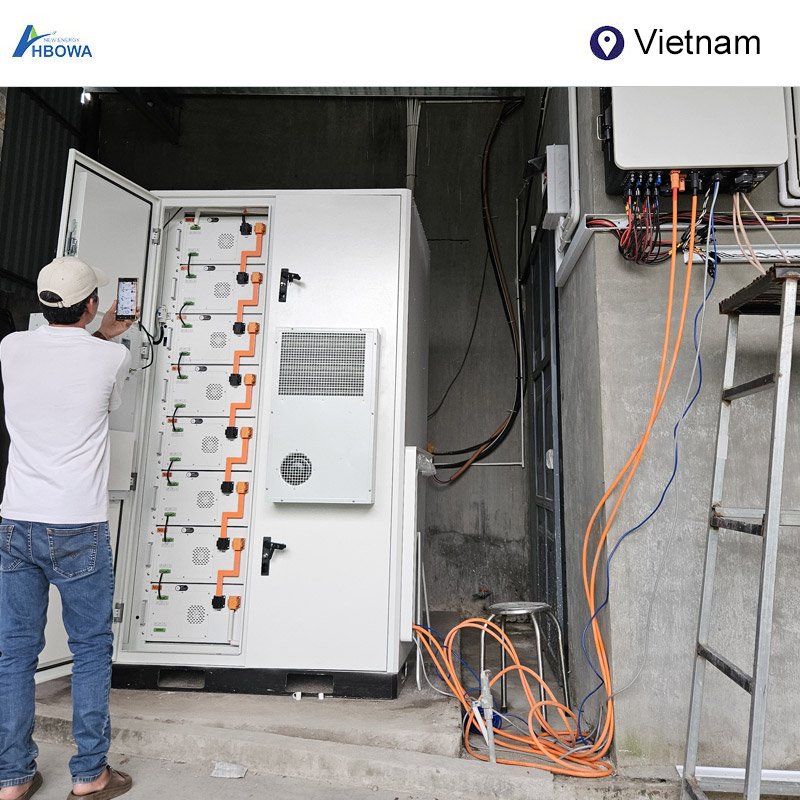
We supplied a 241 kWh battery storage cabinet with an 80 kW Deye three-phase high-voltage inverter for a cafe shop. The system supported lighting, air conditioning, refrigeration, coffee equipment and payment systems.
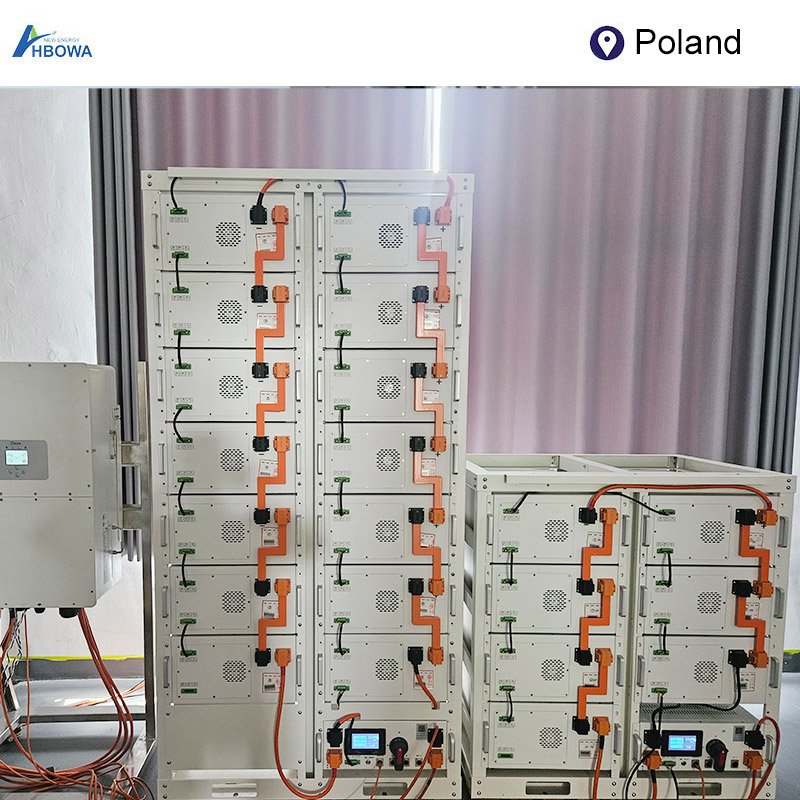
We supplied a 50 kW / 301 kWh battery energy storage system with a three-phase high-voltage hybrid inverter for factory peak shaving, load shifting and solar self-use.
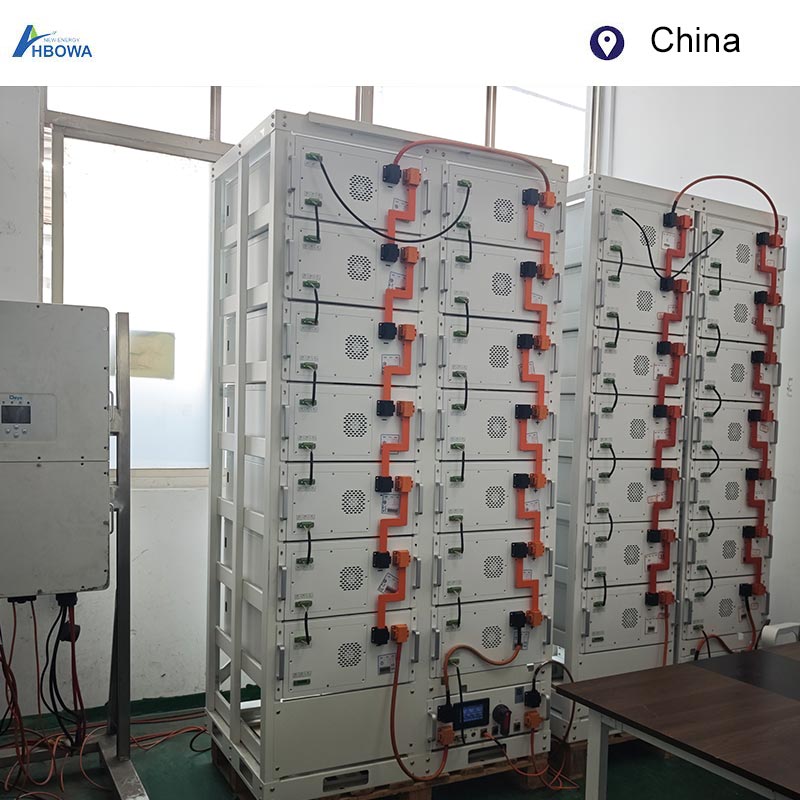
We supplied a 50 kW / 448 kWh battery storage system with a 50 kW Deye hybrid inverter for factory peak shaving, load shifting and self-use.
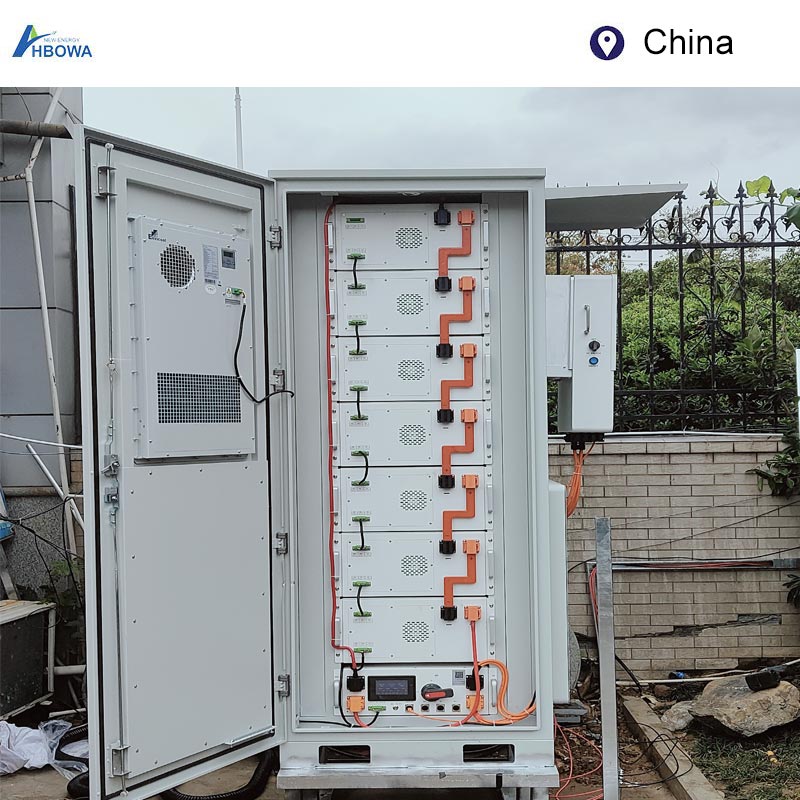
We supplied a 50 kW / 112 kWh outdoor energy storage cabinet with a 50 kW Deye hybrid inverter for factory self-use, peak shaving and backup power.
Energy Storage Systems in HBOWA
- Factory Details
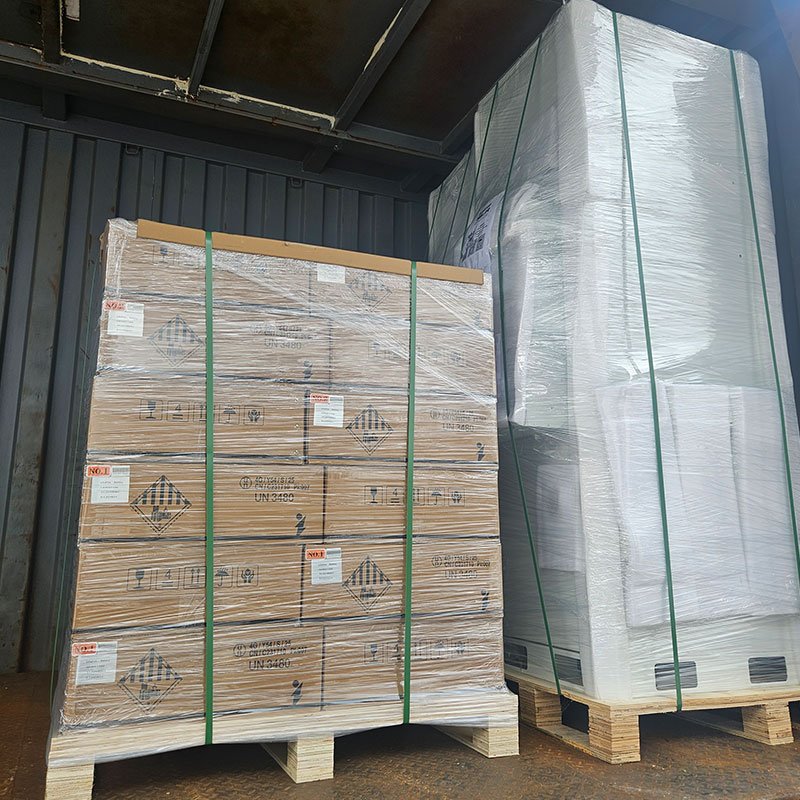
- Shipping Show
- Certificates


FAQ
Maximum power point tracking adjusts the solar array’s operating point to capture available PV power as irradiance and temperature change. In a DC-coupled battery storage system,the hybrid inverter has the MPPT part to act as the same role.
Select a DC-DC converter that matches the system architecture, input and output voltage ranges, required power, and battery charging controls. The battery’s chemistry, BMS protocol, current limits, and protection requirements also need verification. We recommend confirming the complete battery, converter, and inverter combination first before procurement.
Yes, you can expand DC-coupled battery storage with additional battery models only within the approved limits of the battery and power conversion equipment. We have clear documentation of the permitted expansion configuration, including protection, cabling, cooling, and recommissioning requirements with each model.Fee free to contact us directly.
Please compare usable battery energy, continuous charge and discharge power, PV input limits, operating modes, and the proposed control strategy. Evaluate the complete installed scope, including protection, monitoring, commissioning, and applicable warranty terms. Check these data first rather than price alone.