


Liquid Cooled ESS For Your Project
HBOWA liquid cooled energy storage systems give you a defined starting point for commercial and industrial projects where storage must fit your site, electrical design and operating plan. Our liquid cooling energy storage system range includes outdoor cabinet and container configurations with LFP batteries, power conversion and integrated system functions.
Liquid Cooled Energy Storage Systems
A liquid cooling energy storage system should follow the way your site consumes and generates power. HBOWA begins with the operating purpose, we will help review your available electrical information, site layout, required delivery form and local compliance inputs with you.Below are standard liquid cooled energy storage systems, which are shown for your reference.

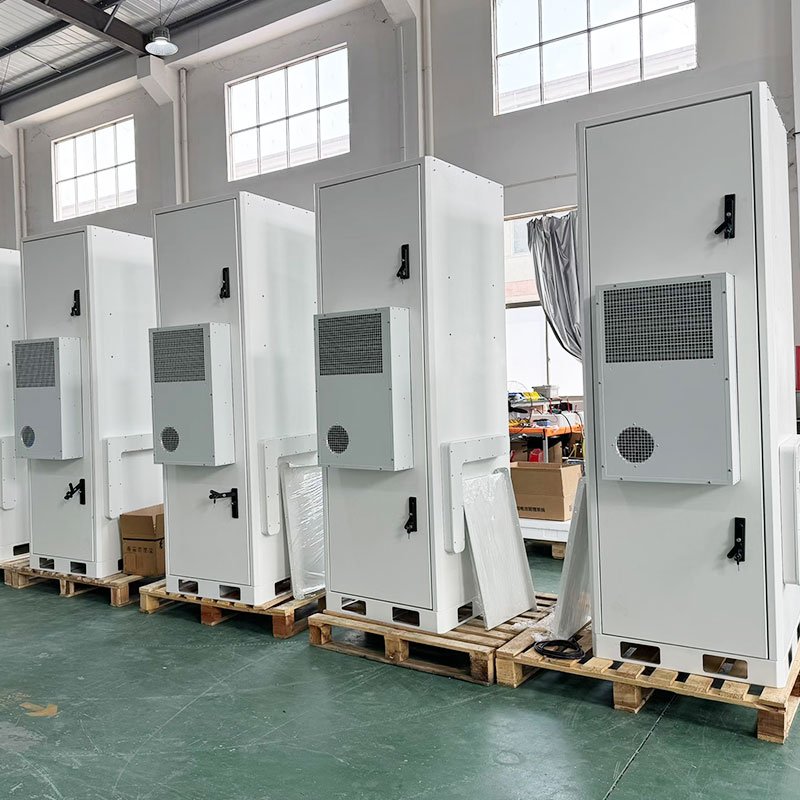
- Rated Power: 125 KW/ 100KW
- Rated Capacity: 260 kWh/215KWh
- Cooling ways: liquid cooling

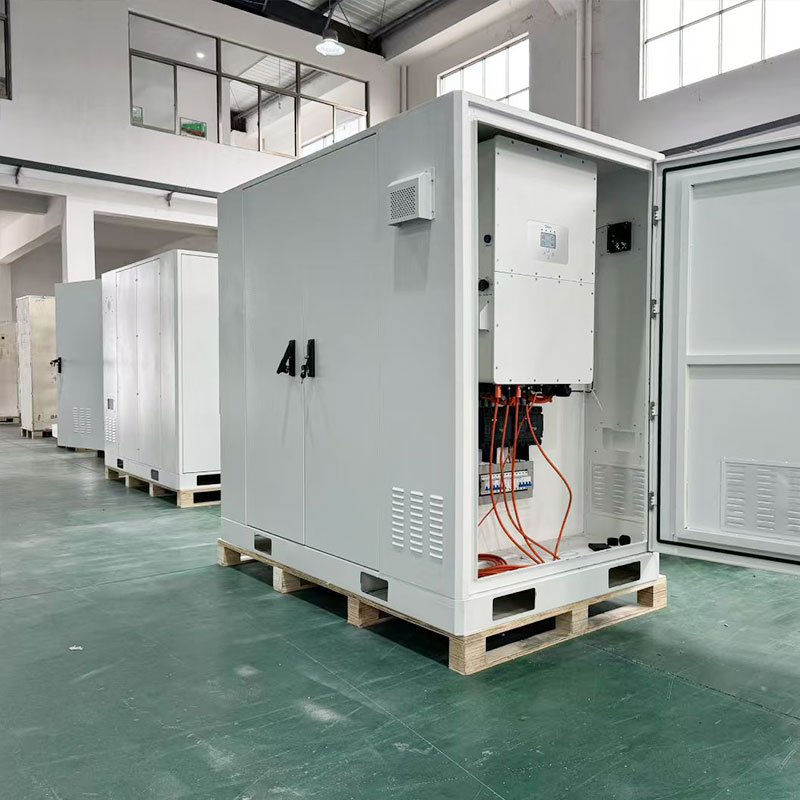
- Rated Power: 100KW
- Rated Capacity: 232 kWh
- Cooling ways: liquid cooling

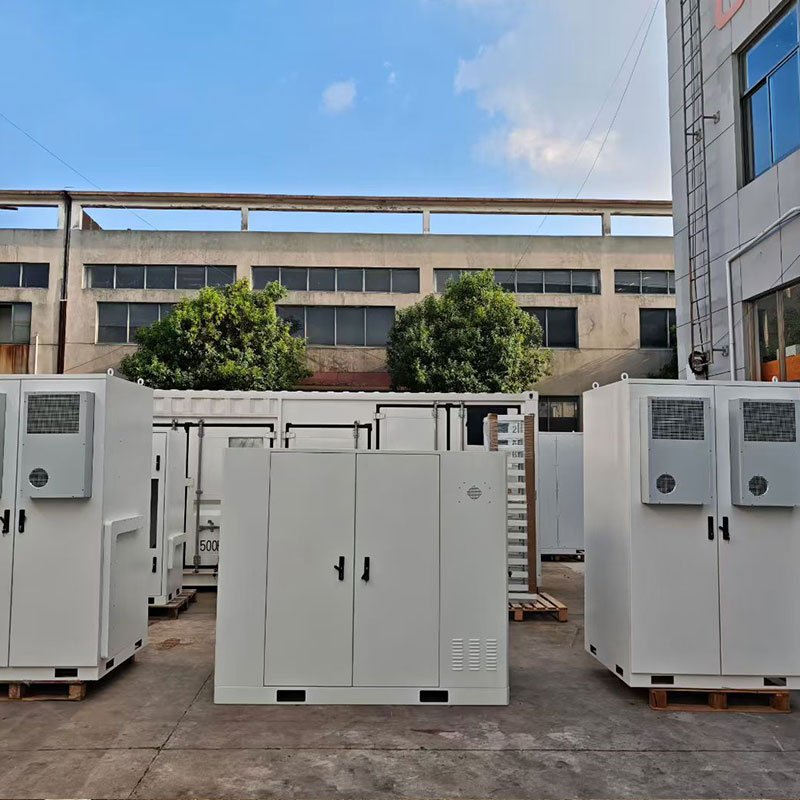
- Rated Power: 125 KW
- Rated Capacity: 261 kWh
- Cooling ways: liquid cooling

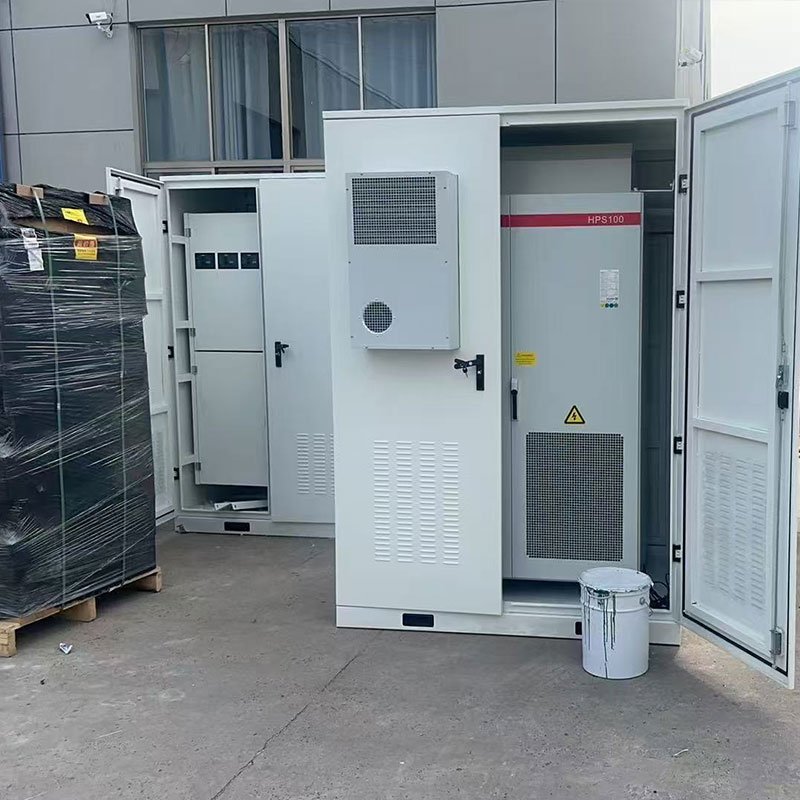
Rated Power: 600 KW
Rated Capacity: 1MWh
C&I, microgrid, solar storage

5 Years for Battery; 3 Years for PCS

CE, IEC 62477, IEC 61000, IEC 60068, CGC

Custom OEM/ODM Energy System

7/24 Hours
Confirm the Delivery Form With the Project
For your detailed energy storage system projects, we will check whether a cabinet or containerized configuration is available for your scope. HBOWA can review the proposed delivery form against the required kW, kWh.


Define the Electrical Scope Before a Quotation
Please share your grid voltage, PV arrangement, load pattern, control objective, destination, Country, and required documents. HBOWA can identify the relevant configuration path and clarify the equipment boundary, and design the electrical diagram for you to check.
HBOWA Energy Storage Project Cases


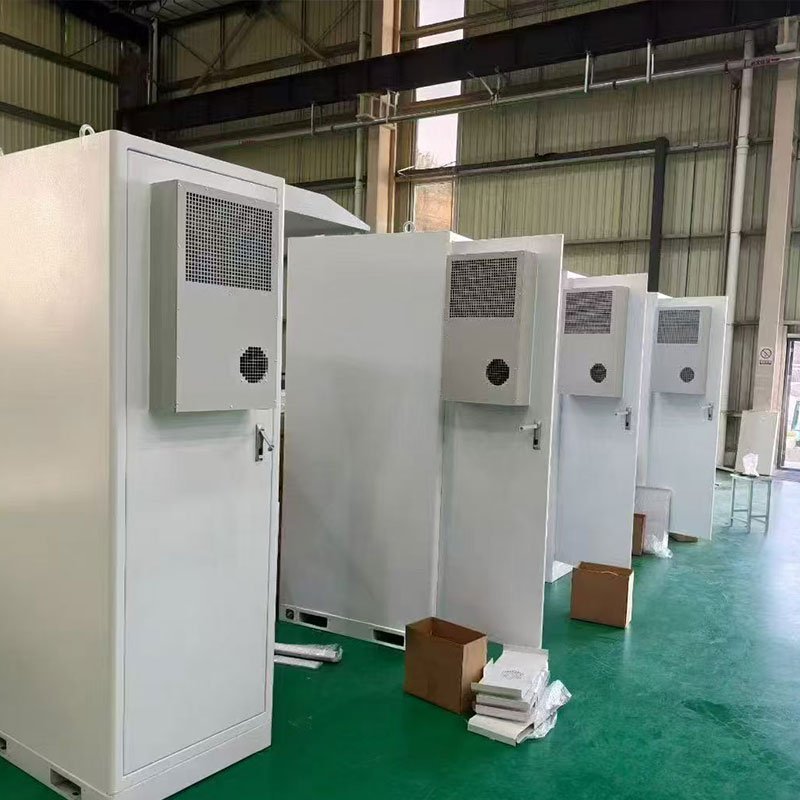
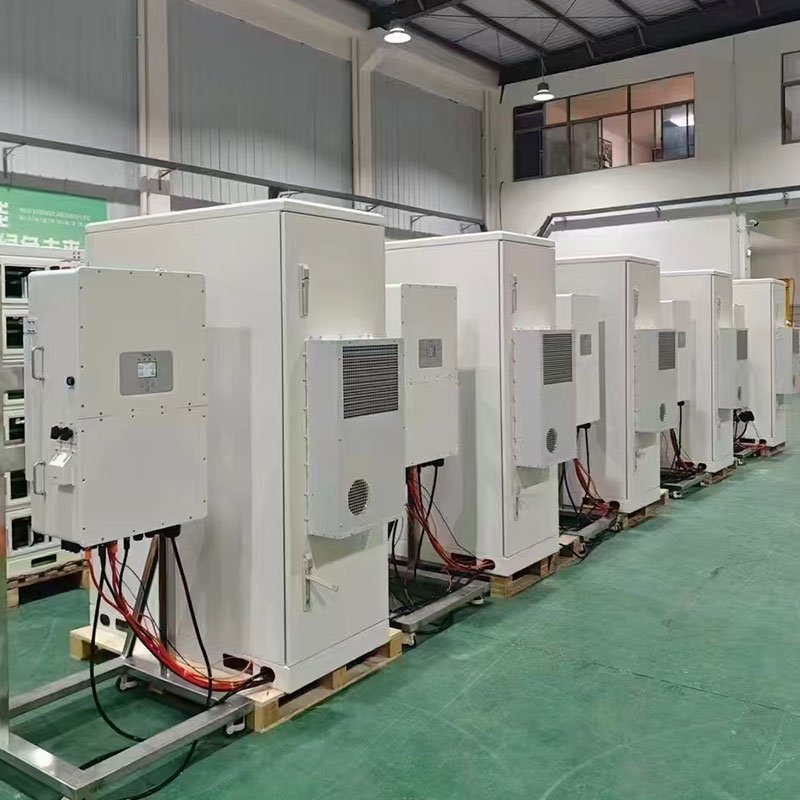
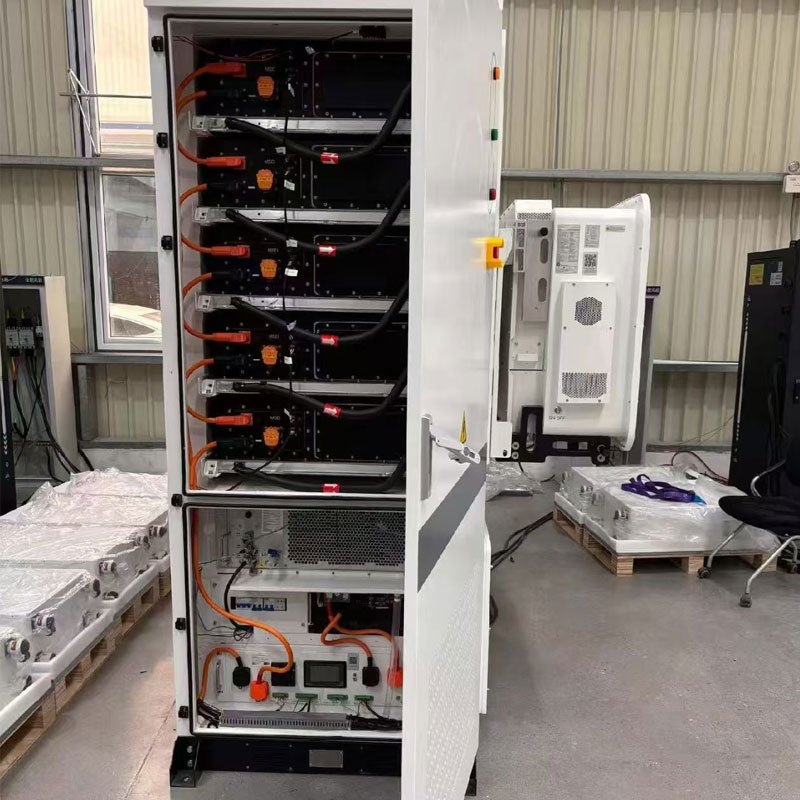
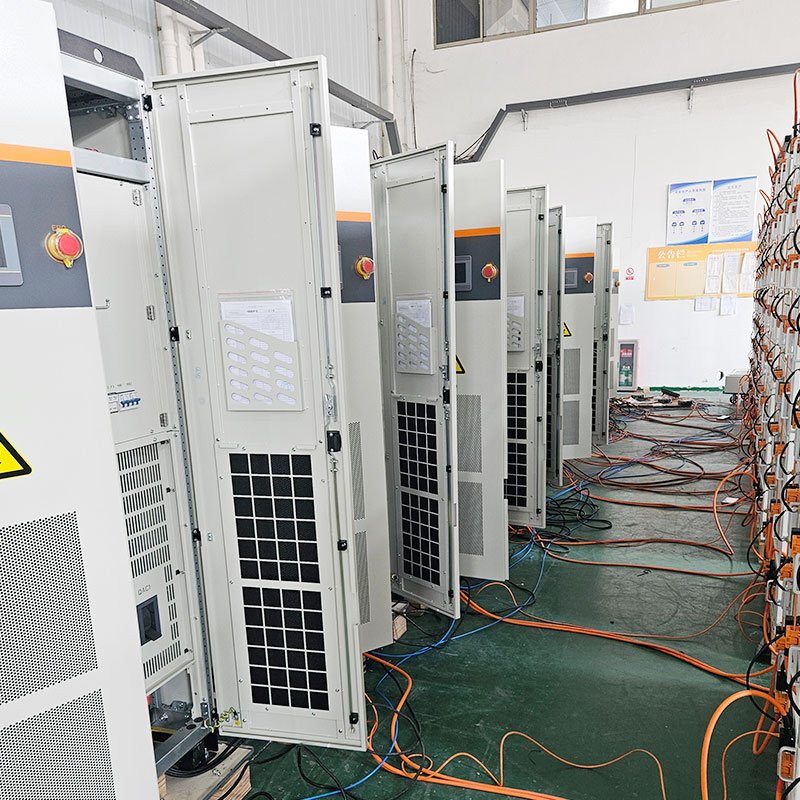
Energy Storage Systems in HBOWA
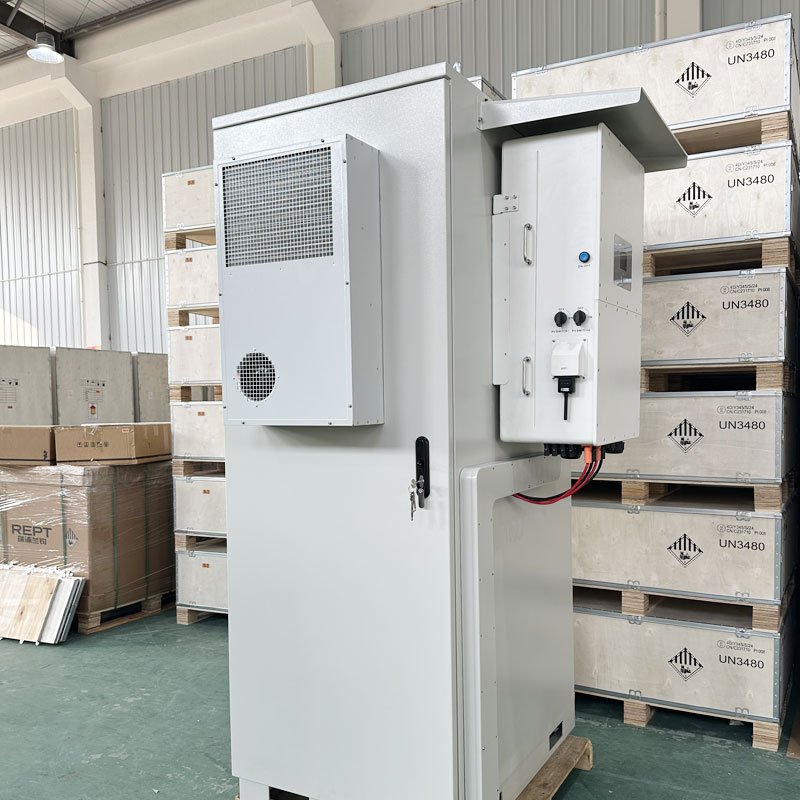
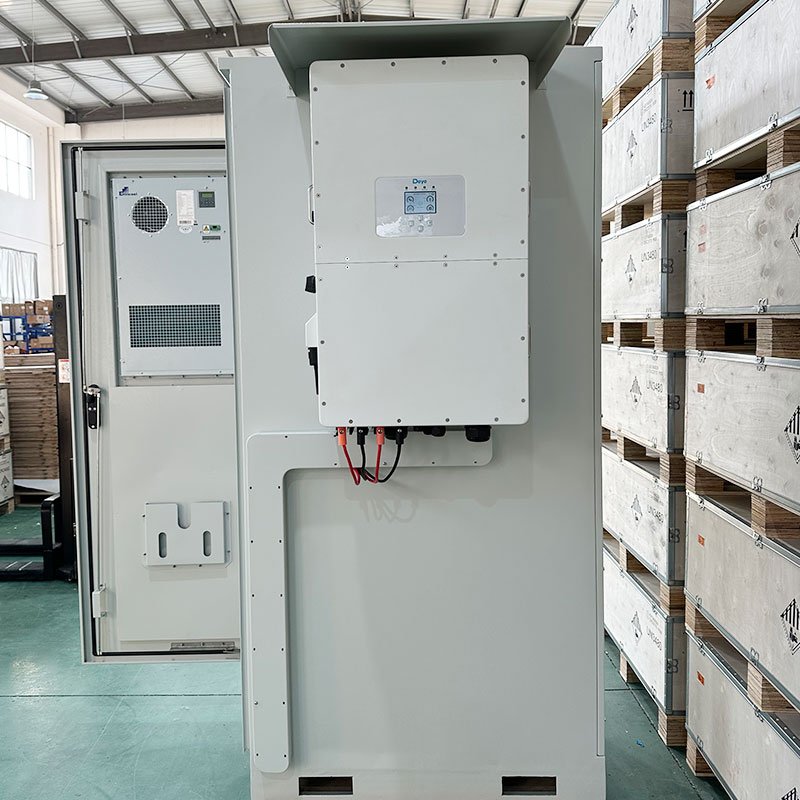
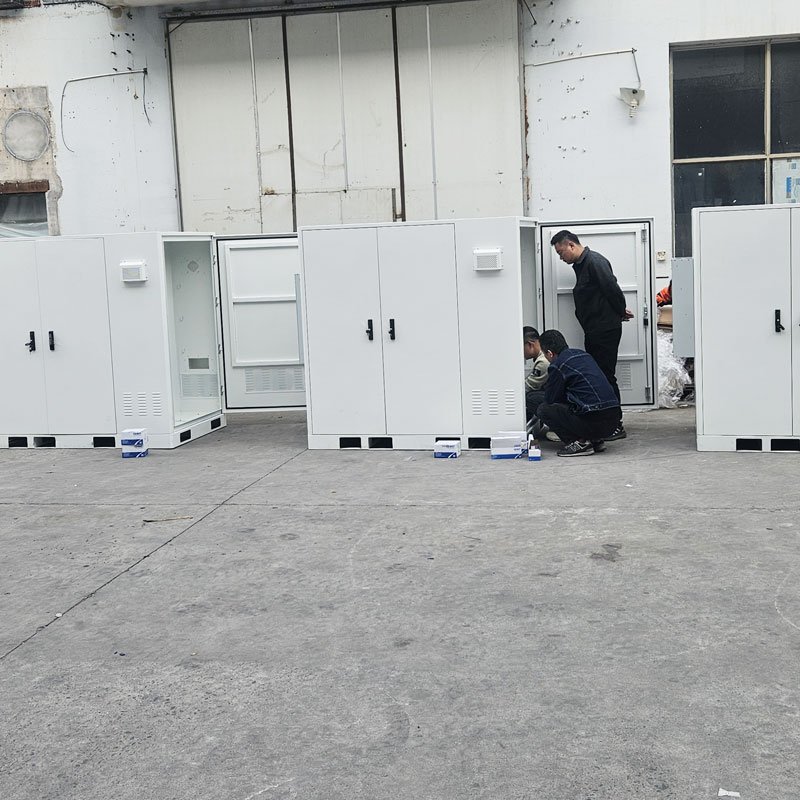
- Factory Details
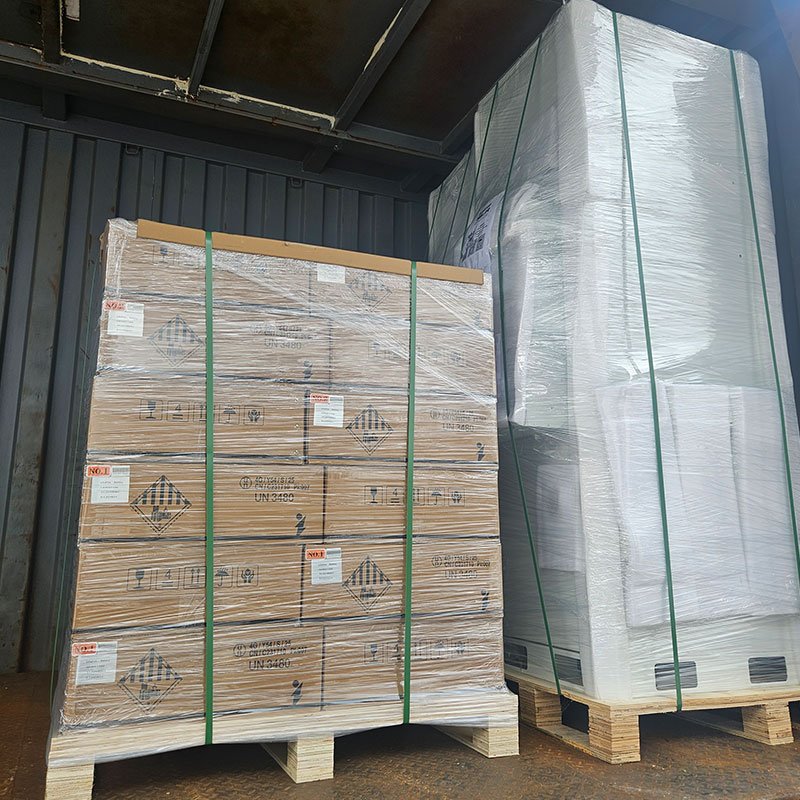
- Shipping Show
- Certificates


FAQ
A liquid-cooled energy storage system stores electricity in batteries and circulates coolant through a thermal management circuit to remove heat. In a cold-plate design, coolant passes through plates near the battery cells and transfers heat to a heat exchanger. This is different from air cooled energy storage.
Liquid cooling may suit projects with compact battery layouts, frequent cycling, or demanding high heat-removal requirements. Air cooling may still be suitable for a different duty cycle or installation.
Maintenance for a liquid-cooled energy storage system include checking spare parts, coolant condition, connections, filters, heat exchangers, and leak-detection alarms. We have detailed instructions in the manual. Feel free to contact us directly.
No. Liquid cooling can help control battery temperature, but it does not automatically produce higher overall system efficiency. Pumps, chillers, heaters, and controls consume electricity, and their demand changes with weather and operating duty.
Liquid-cooled energy storage can operate only within the environmental limits specified for the selected model. Hot weather will require power deratin above 45°C, the ambient temperature of our liquid cooled energy storage system is between -25°C and +60°C.
Confirm usable energy capacity, continuous power, duty cycle, cooling specifications, and compatibility with your project’s electrical architecture. And also check the installation requirements and warranty terms.


