

Monocrystalline Solar Panels Ready for Bulk Orders
1. N-type TOPCon and HJT monocrystalline cells, ready in stock.
2. Module power options from 450W to 760W per unit.
3. Dual-glass bifacial and full-black monocrystalline panel designs.
4. Datasheets, test reports, and samples before you order.
5. Pallet and container loads ship from EU warehouses fast.
6. Custom labels and trial orders for new distribution partners.
Monocrystalline Solar Panels for Higher Output per Area
PP supplies monocrystalline solar panels from 450W to 760W for commercial rooftops, ground-mount arrays, and off-grid systems. Monocrystalline silicon converts more sunlight per square meter than polycrystalline, so you install fewer modules for the same capacity and cut racking, cabling, and installation labour across the project.
Our range covers N-type TOPCon, HJT, and back-contact monocrystalline modules, supplied by Tier 1 manufacturers and by PP OEM production lines. Order by the pallet or by the full container; stock in Germany and the Netherlands shortens EU delivery time. Send your target wattage, quantity, and destination port for a factory-direct quotation.
Monocrystalline Solar Panels By Pallet
Pallet-load monocrystalline solar panels for trial orders, local stock, and smaller commercial projects.
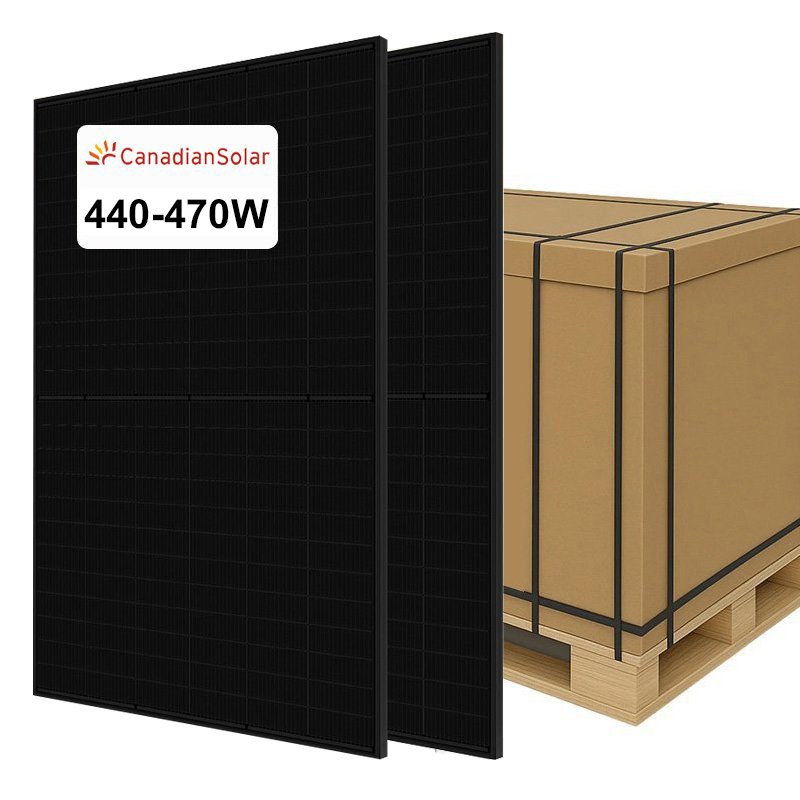
TOPHiKu6
440W-470W
MOQ: One Pallet(36 pcs)
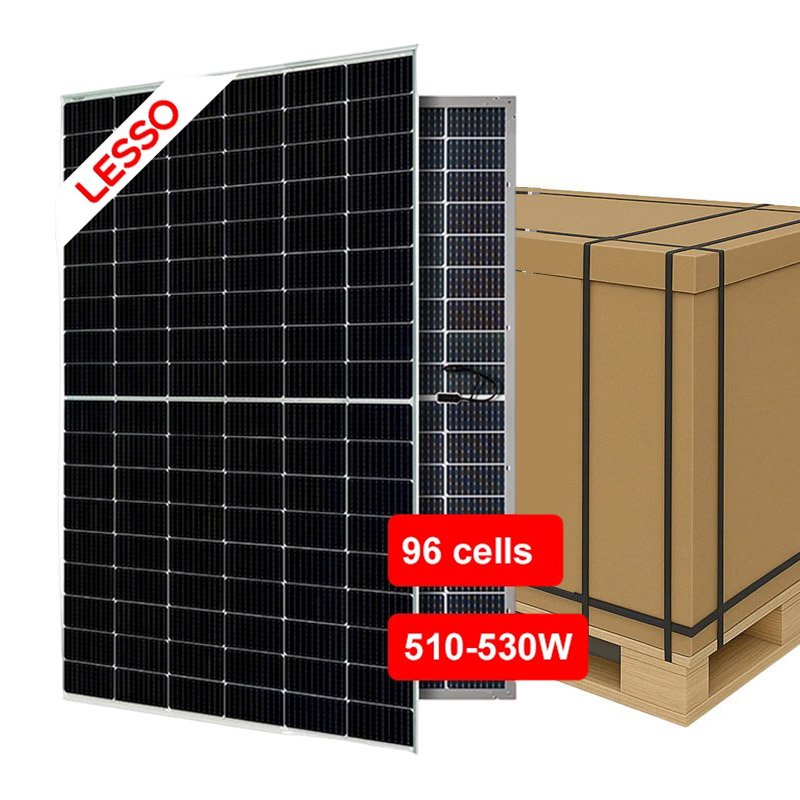
510W-530W
Max Efficiency: 23.08%
MOQ: One Pallet(36 pcs)
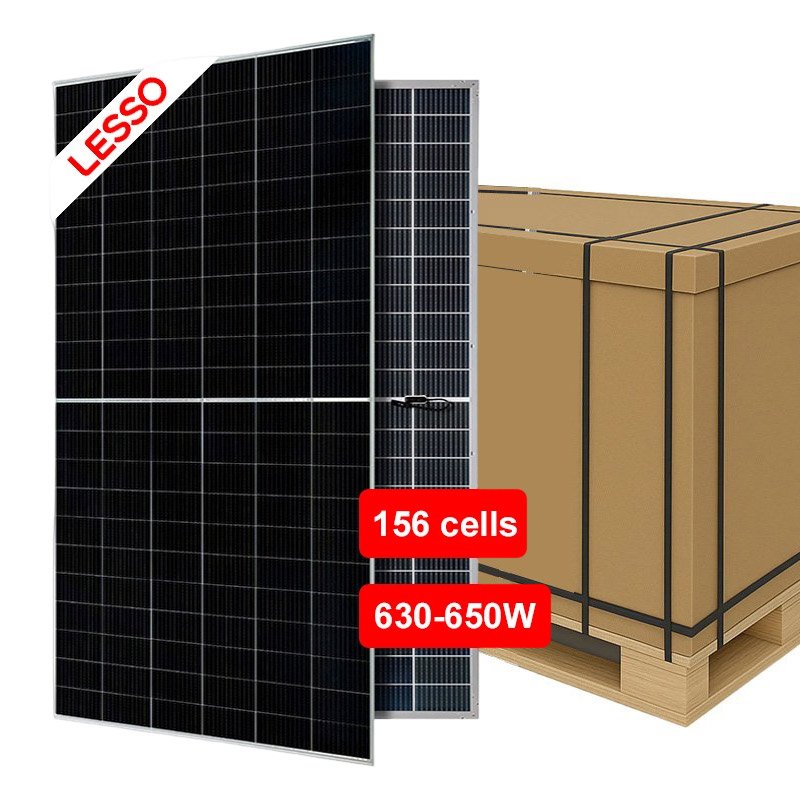
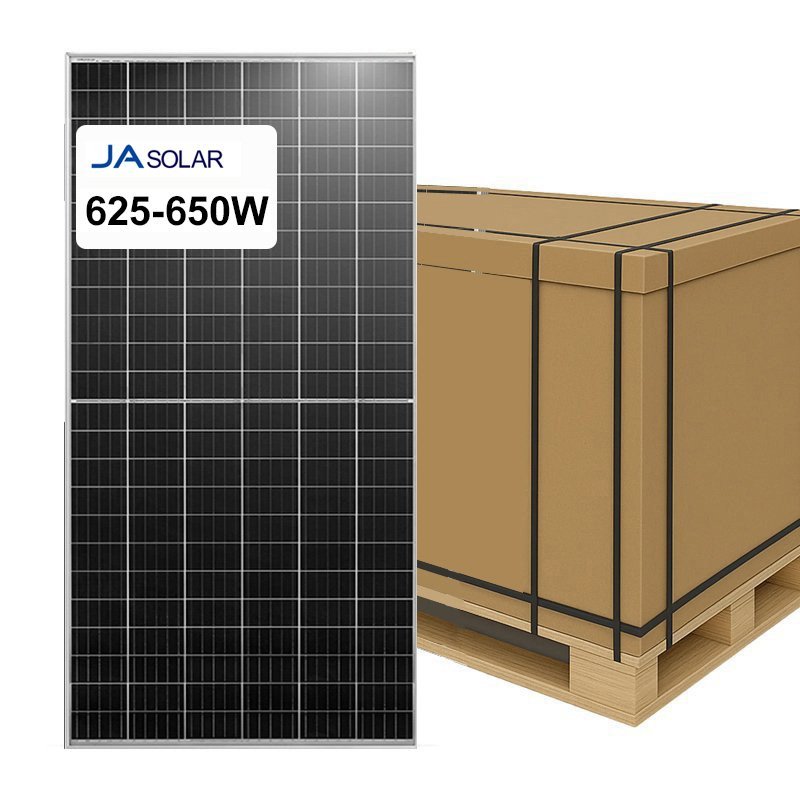
630W-650W
Max Efficiency: 23.25%
MOQ: One Pallet(36 pcs)

TOPHiKu6
108 cells, 500W
MOQ: One Pallet(36 pcs)

TOPHiKu6, TOPCon N-Type, 620W
MOQ: One Pallet (36 pcs)


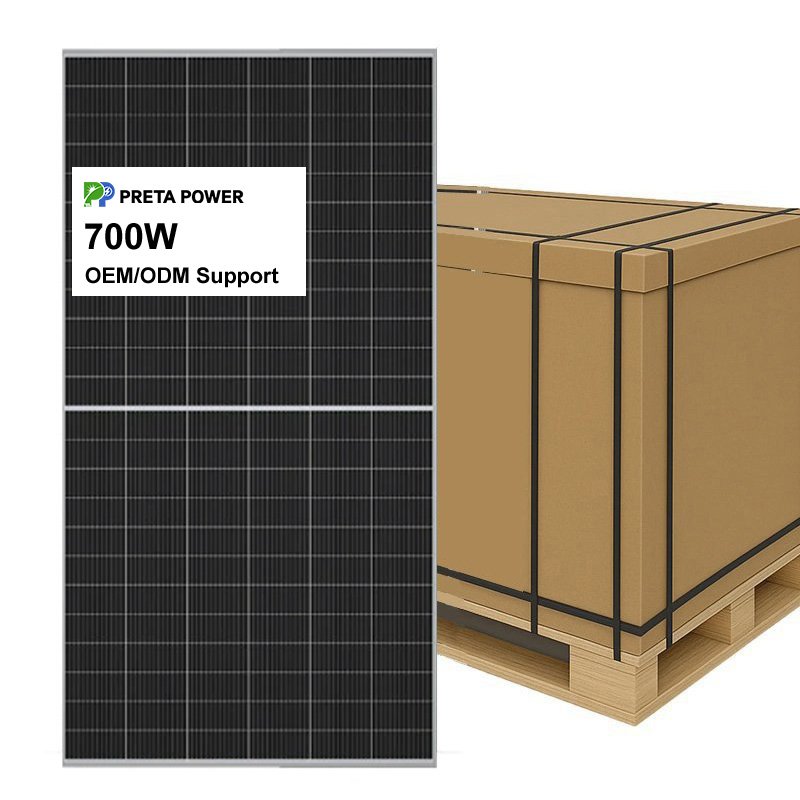
700W-720W
MOQ: One Pallet


720W-760W
MOQ: One Pallet
Monocrystalline Solar Panels By Container
Container-load monocrystalline solar panels for utility-scale and larger commercial projects.

OEM / ODM
144 cells, 590W
MOQ: One Pallet(36 pcs)
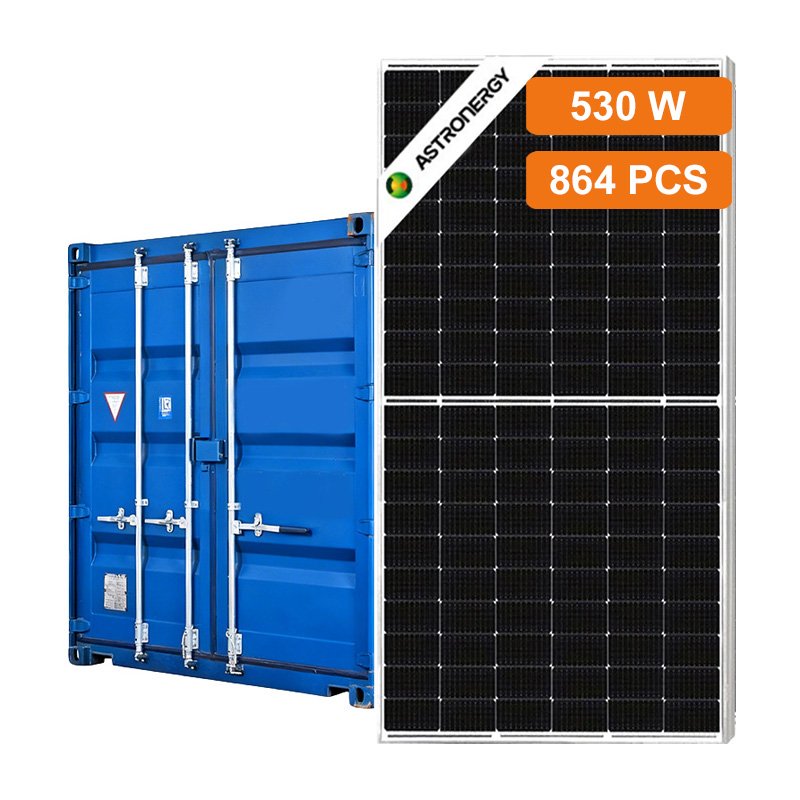
Rated Power: 530W
Max Efficiency: 23.8%
Per 40’HQ Container (864 pcs)
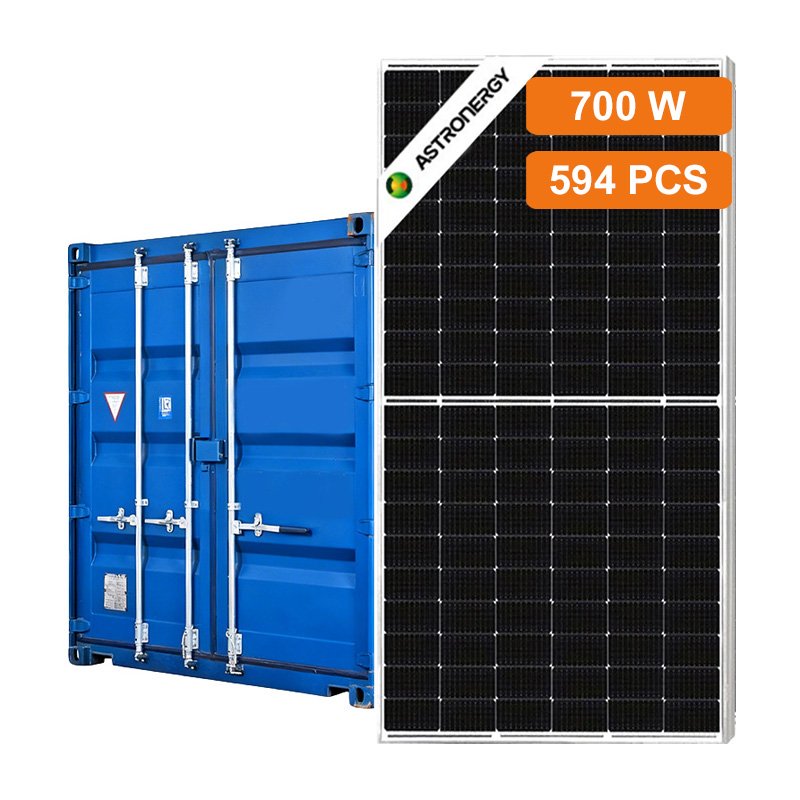
Rated Power: 700W
Max Efficiency: 22.5%
Per 40’HQ Container (594 pcs)

Rated Power: 620W
Per 40’HQ Container (720 pcs)

Rated Power: 660W
Per 40’HQ Container (720 pcs)

Rated Power: 620W
Per 40’HQ Container (594 pcs)

600W-650W
720 PCS / Container
MOQ: One Container

610W-630W
720 PCS / Container
MOQ: One Container

700W-720W
560 PCS / Container
MOQ: One Container

700W-730W
594 PCS / Container
MOQ: One Container

700W-750W
594 PCS / Container
MOQ: One Container

705W-730W
594 PCS / Container
MOQ: One Container
Monocrystalline Panel Features

Monocrystalline silicon converts more light per square meter, so you need fewer panels to reach your target capacity.

All-black monocrystalline panels keep visible rooftops clean and uniform for commercial buildings and premium projects.

N-type monocrystalline cells hold output better as module temperature rises, supporting stable yields on hot rooftops.

Glass on both faces resists moisture and mechanical load, which suits coastal sites, carports, and high-wind installations.
Monocrystalline vs Polycrystalline: What You Should Know
Monocrystalline and Polycrystalline both use silicon, but the manufacturing differs. Monocrystalline wafers are cut from a single crystal, giving a uniform dark surface and higher efficiency per square meter. Polycrystalline wafers are cast from multiple crystals, which lowers cost per watt but requires more roof or land for the same capacity. For space-limited commercial rooftops, monocrystalline usually wins on total installed cost; polycrystalline still suits large ground-mount sites where area is not a constraint.


Monocrystalline Silicon Types We Supply
Monocrystalline silicon solar panels now split into several cell technologies. PERC (P-type) is the volume workhorse; N-type TOPCon adds a passivating contact layer for higher efficiency; HJT combines crystalline and thin-film layers; back-contact moves the busbars behind the cell for a cleaner face. We supply N-type TOPCon, HJT, and back-contact monocrystalline modules, so you can match cell technology to roof area, budget, and expected yield.
Why High-Efficiency Monocrystalline Panels Cut Project Cost
High-efficiency monocrystalline solar panels reduce the number of modules, mounts, cables, and labour hours a project needs, so the saving shows up in balance-of-system cost rather than in the module price alone. We quote by pallet and by container, which lowers the unit price for volume buyers. Share your wattage, quantity, and destination port, and our team will return a detailed quotation with lead time.

Where Monocrystalline Solar Panels Are Used
Factory, warehouse, and shopping-centre roofs rarely offer unlimited area, so output per square meter decides how much capacity you can install. Monocrystalline modules reach a higher wattage per panel, letting you hit the target array size without overloading the roof structure or adding extra racking rows. For EPCs working on tight roofs, that difference shortens the layout stage.
On ground-mount farms, module count drives trenching, cabling, and labour. Higher-wattage monocrystalline modules reduce the number of strings and combiner boxes for the same megawatt rating, which trims civil and electrical work. With monocrystalline panels from 450W to 760W available, you can define the block layout around the inverter rather than around limited module sizes.
Dealers and installers serving the RV, caravan, and marine market need compact panels with strong output per square meter, because roof space is short and weight matters. Monocrystalline modules fit that profile, and our lower-wattage monocrystalline options ship in pallet quantities so you can hold stock for retail and workshop demand at a lower unit cost.
Distributors need repeatable supply, not one-off shipments. We hold monocrystalline stock in China, Germany, and the Netherlands, quote FOB Shanghai and can deliver from our European warehouses. Share your annual forecast and we will plan the pallet and container mix around it.
More About Monocrystalline Solar Panels
- OEM ODM Support
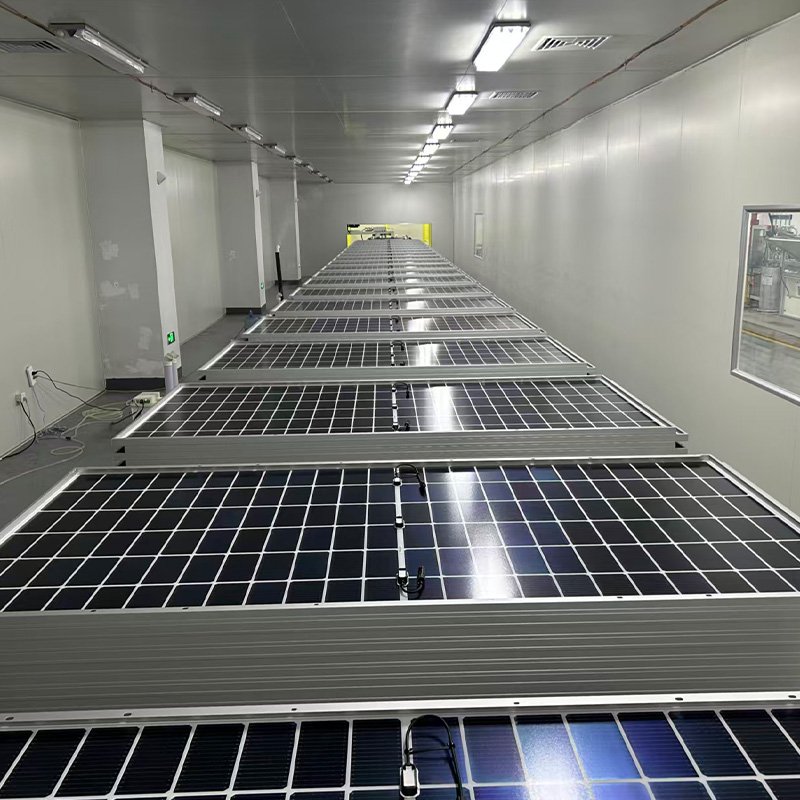
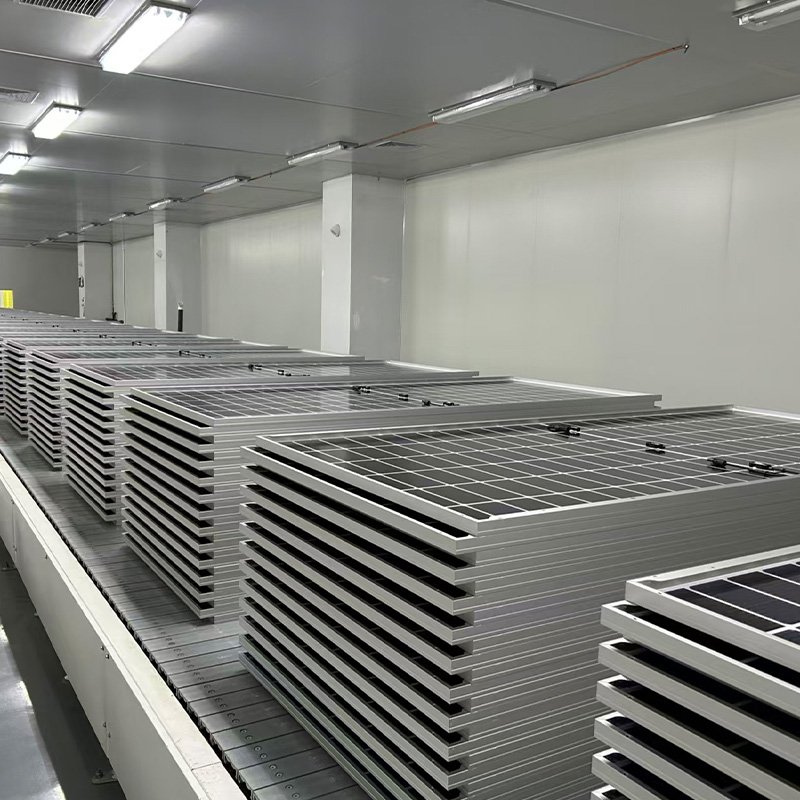
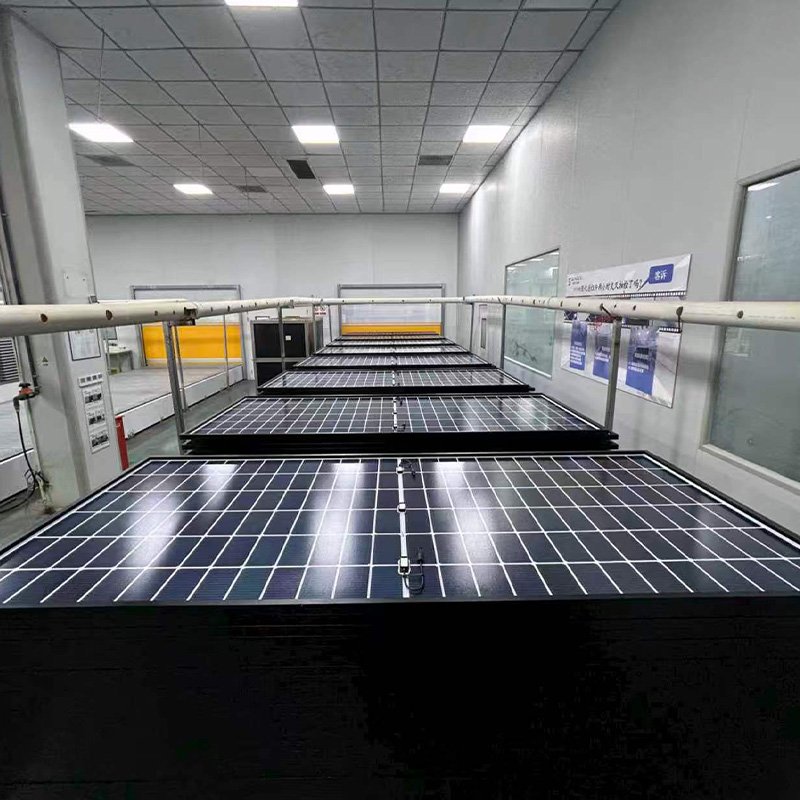
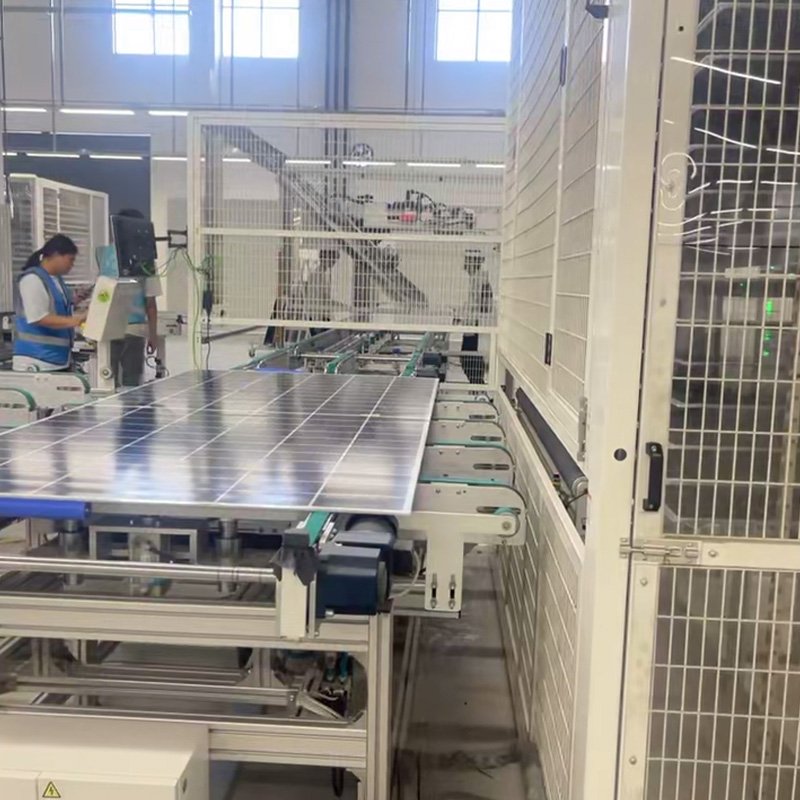
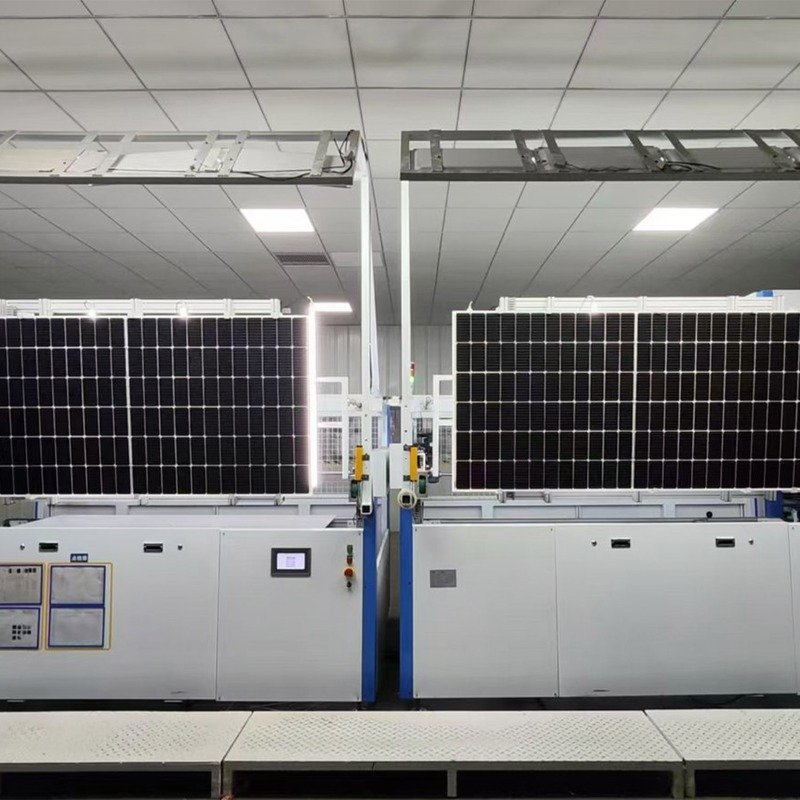
- Monocrystalline Panels in Factory Show
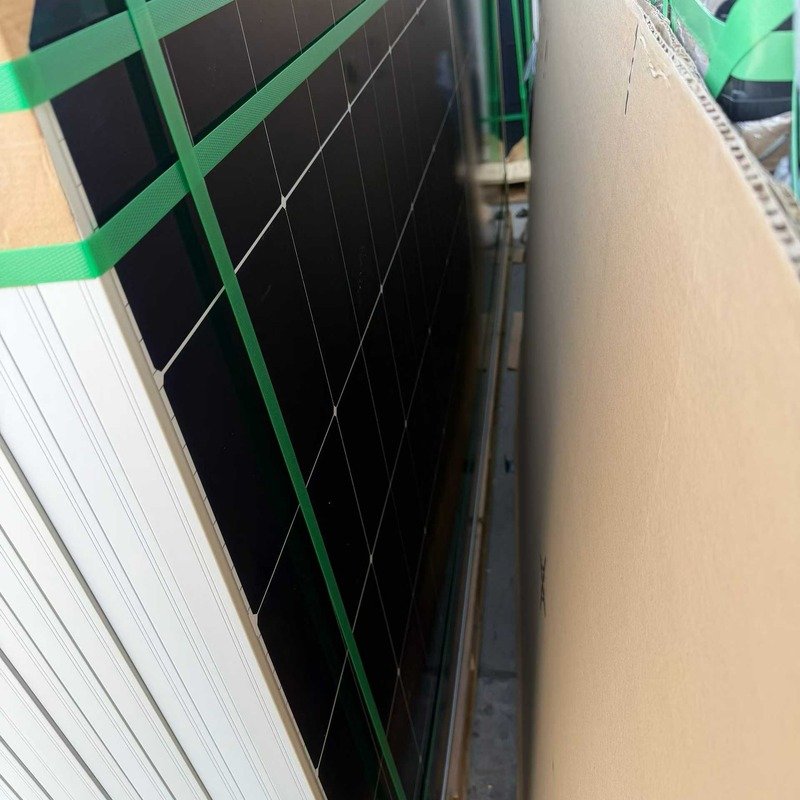
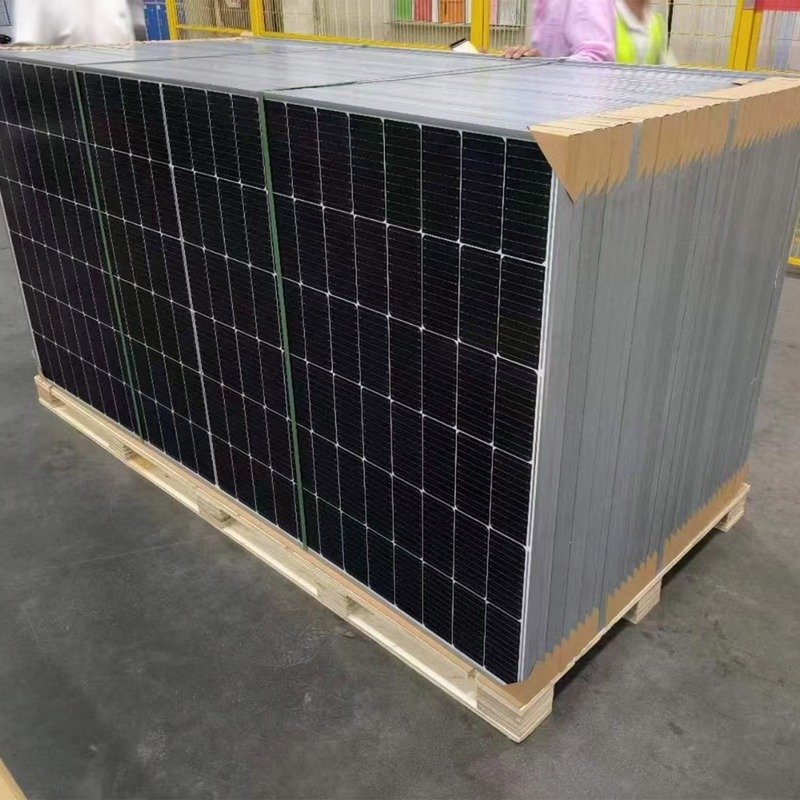
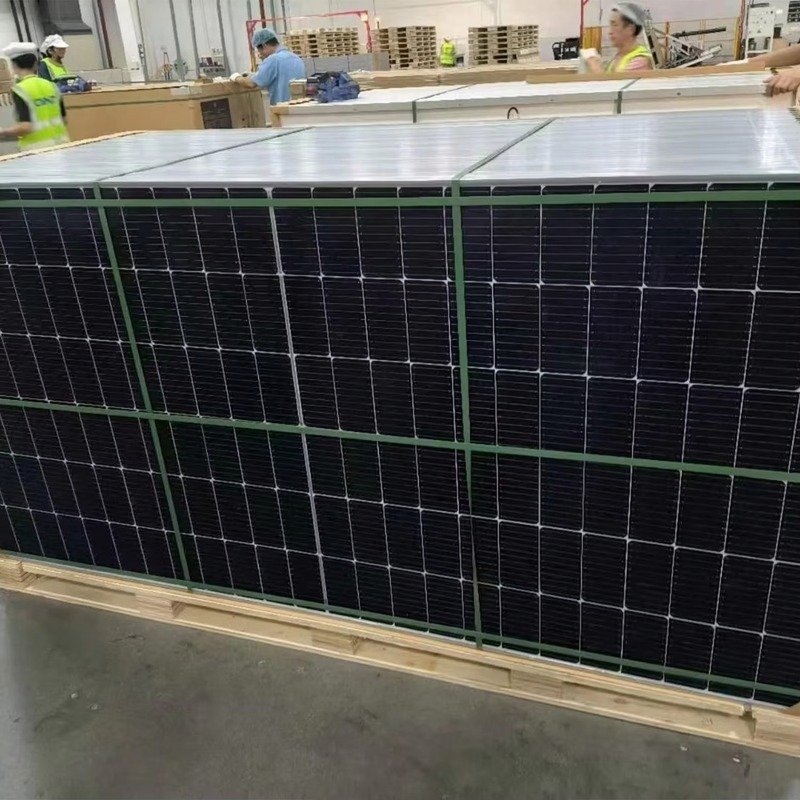
- Monocrystalline Panels Container Loading
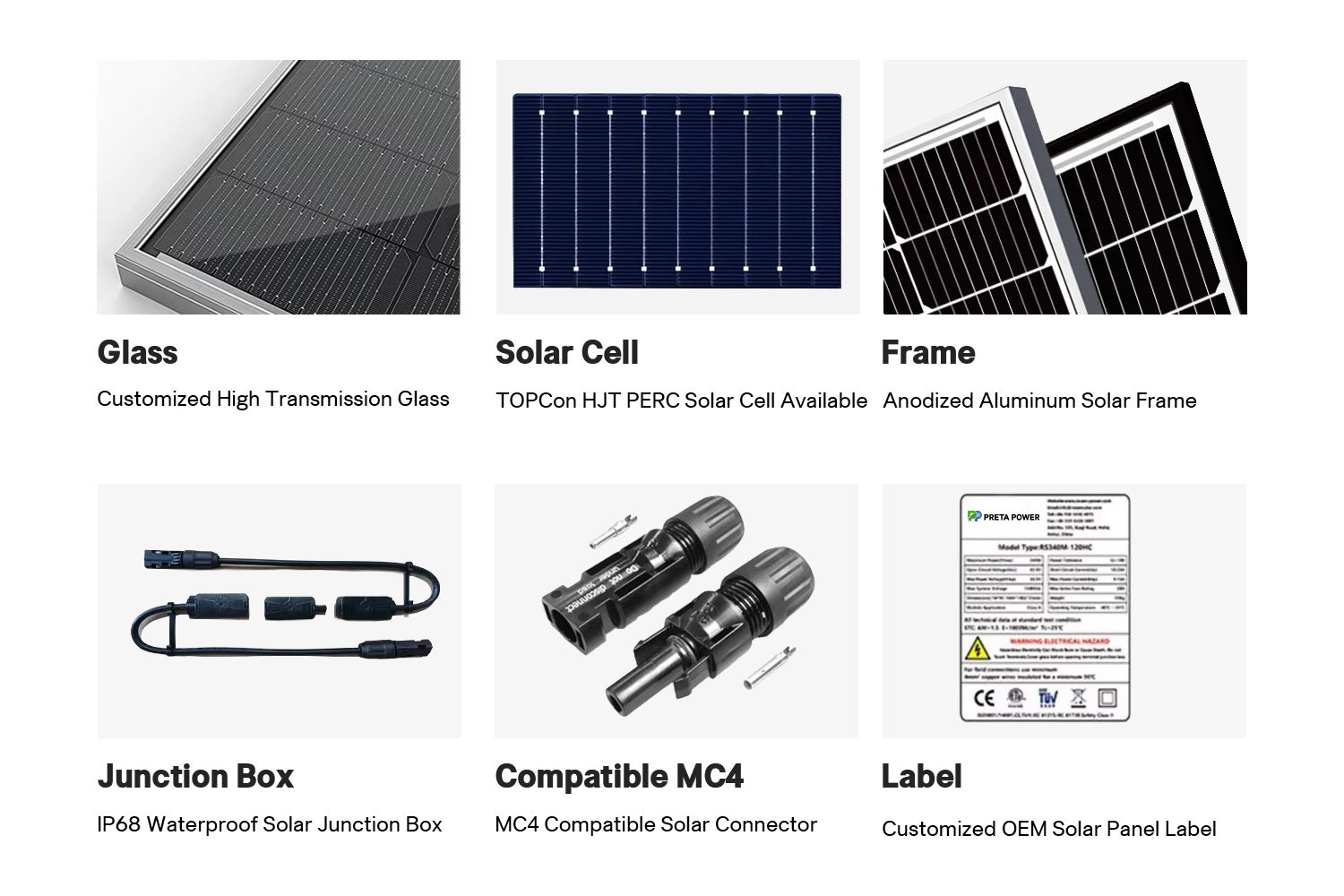
Custom cell, glass, frame, junction box, connector, and label options for volume orders.


FAQ
Bifacial describes how a panel collects light, not which silicon it uses. Most bifacial modules we supply are built on monocrystalline N-type cells, so they generate from the front face and from reflected light on the rear. If you need dual-glass bifacial output and monocrystalline efficiency together, tell us your wattage and mounting type and we will quote the matching model.
Monocrystalline panels are cut from a single silicon crystal, while polycrystalline panels are cast from several crystals. Monocrystalline delivers more watts from the same area, so it usually suits space-limited commercial rooftops, while polycrystalline costs less per watt but needs more roof or land. Most commercial and utility projects now specify monocrystalline or N-type monocrystalline for that reason.
Yes. N-type refers to the silicon wafer doping, and N-type wafers are monocrystalline. TOPCon and HJT modules are the common N-type monocrystalline types on the market today. We supply N-type TOPCon and HJT monocrystalline panels from Tier 1 manufacturers such as LONGi, Trina, Canadian Solar, Tongwei, Risen, and Huasun, alongside our OEM production for your custom specifications.
Module efficiency depends on the cell technology and format rather than on the word monocrystalline alone. Mainstream monocrystalline modules sit around 20% and above, and N-type TOPCon and HJT versions run higher than older P-type PERC. Because higher efficiency means fewer panels per kilowatt, we suggest comparing module efficiency together with the warranty and the price per watt, not efficiency on its own.
Price depends on cell technology, wattage, order volume, and delivery terms, so a single number would mislead you. For bulk buyers the unit price falls as you move from pallet to full container, and freight from our European warehouses is usually cheaper than shipping from China.
Monocrystalline modules are commonly warranted for 25 to 30 years of power output, with degradation limited by the linear curve stated on the datasheet. Real service life depends on installation quality, mounting structure, and site conditions. We share the full warranty document for each model before you order, so you can compare terms across the brands we supply.