

Introdução
Charging LiFePO4 with solar should be done through a solar charge controller or a solar inverter, not by connecting the solar panel directly to the battery. The right controller keeps voltage and current under control and makes the battery charging safer. This is the main answer before going into all the details.
Há sistemas fora da rede, armazenamento residencial, Sistemas de energia para veículos recreativos, and renewable energy setup which practically use solar technology. Ambos painéis solares and LiFePO4 batteries are getting popular these days as more people are using solar energy. A vida útil prolongada, Estabilidade térmica, and high energy density have become the prime benefits of LiFePO4 batteries. Mas o carregamento da maneira errada pode fazer a bateria não executar corretamente ou até causar falha na bateria.
Então, there is an increasing need for a secure and efficient way of charging lithium batteries with solar energy. The proper way of charging and choosing the right equipment is the ultimate point to run the solar-plus-storage system for a longer period.

Compreendendo as baterias LifePO4 em sistemas solares
Baterias solares LIFEPO4, also known as lithium iron phosphate batteries, are high-efficiency and long durable lithium-ion batteries that are more chemically and thermally stable than many other lithium-ion chemistries. The useful point in these batteries is that they work with stable voltage and have lower risk of thermal runaway when compared with some other lithium chemistries.
Solar lithium iron phosphate battery applications have become increasingly popular as the batteries can endure deep discharge cycles without significant degradation. A standard LiFePO4 battery pack can offer over 6000 plus charge-discharge cycles when it is used under correct temperature and charging condition. This makes them much more durable and cost-effective than AGM lead-acid or normal lead-acid units.
Também, a typical LiFePO4 battery for solar maintains higher charge and discharge efficiency. Fast charging and low maintenance are also benefits, Como as baterias não requerem ventilação ou monitoramento regular de eletrólitos, como baterias de chumbo-ácido.
Como o carregamento solar funciona para as baterias LifePO4
When a LiFePO4 battery is charged through solar charging, the idea of how solar power moves through the system must be clear. Solar panels are the components that transform sunlight energy into direct current energy. This DC power from solar panels is not suitable for the battery storage directly and hence must be regulated before storing into the battery.
Here is a simplified energy flow of charging battery using solar panel system:
Solar Panel -> Solar Charge Controller or Off Grid / Hybrid Inverter -> Bateria LiFePO4

The transferring of the power to the LiFePO4 battery charger is the important phase of the process. The energy from now on can be stored and used when sun is not available. So a good charging battery with solar requires a well thought out system. The BMS is safety protection inside the battery, but it should not be used as the daily charger.
| Part | Work in the system | One check before use |
| Solar panel | Changes sunlight into DC power | Check wattage and string voltage |
| Controlador MPPT | Regulates solar input for battery | Check lithium setting and output current |
| Inversor híbrido | Controls PV, bateria, and AC load in bigger system | Check battery communication if available |
| Bateria de LifePO4 | Stores the solar energy | Check voltage, current limit, and temperature rule |
How to Choose the Solar Inverter for your Solar System
While using LiFePO4 technology the correct inversor solar is very important and the type that you use should also match with your needs to avoid battery failure, superaquecimento, or damaging the cells. The controller or inverter should support exact voltage and current requirements of your LiFePO4 battery.
When selecting a solar charge controller or solar inverter for HBOWA LiFePO4 battery, one should look for programmable charging parameters, compensação de temperatura, e compatibilidade com perfis de inversores solares de fosfato de ferro de lítio. Safety protection features in the built-in controller should also be considered. A few safety protections like overvoltage shutdown and low-temperature charging cut-off are important.
For a small 12V system, a good MPPT charge controller can be enough. For 48V bateria doméstica or rack battery system, hybrid inverter with CAN or RS485 battery communication is more suitable. Usar o controlador certo e outros componentes não apenas estende a duração da bateria, mas também maximiza a utilização de energia solar.
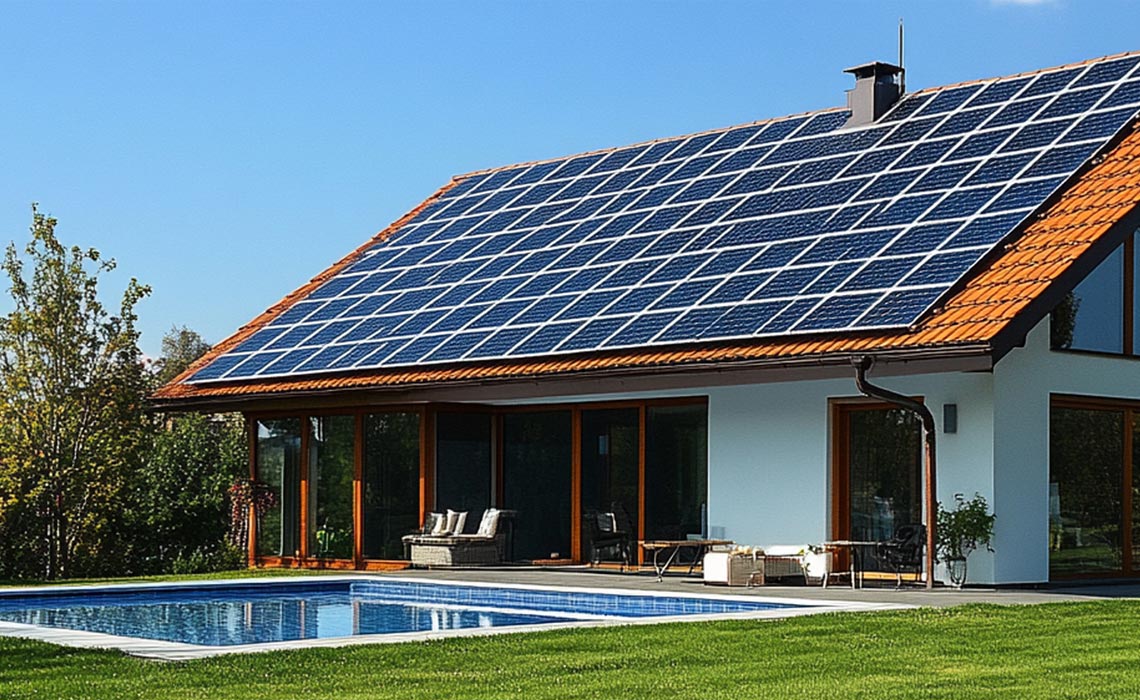
Quais são as melhores práticas
Charging a LiFePO4 battery while maintaining preferable conditions is essential for safety and increasing battery life. Para um sistema de 12V, A tensão de carregamento mais adequada está na faixa de 14,2V a 14,6V. Charging current should not exceed the battery capacity limit. Por exemplo, an HBOWA LiFePO4 12V 100Ah solar battery may have a charging current limit of 50A.
O gerenciamento de temperatura tem importância primordial. Charging below 0 C or above very high temperature can lead to reduced charge capacity and life, or even damage the solar lithium battery. Always get a solar lithium charger with proper protection. You could also buy a battery which provides low-temperature charging protection or heating function if it will be used in cold place.
Overcharging or undercharging could be disastrous. LiFePO4 batteries do not require equalization as in lead-acid batteries. Recording a voltage above battery limit can damage cells or cause BMS cut-offs. Too low charging setting can also make the battery not fully charged.
| Best practice | Suggested setting or action | Why it matters |
| Use correct charge voltage | 12V battery commonly 14.2V to 14.6V | Keeps battery charging in proper range |
| Current limit | Do not exceed BMS and battery manual value | Avoids overheating and BMS cut-off |
| Equalização | Turn off | LiFePO4 does not need lead-acid equalization |
| Cold charging | Avoid below 0 C without protection | Protects cell life and safety |
Em situações práticas, Tenha uma breve idéia sobre o uso das pessoas. Like a homeowner runs an off-grid cabin with a 25.6V 200Ah LiFePO4 solar battery along with an MPPT controller and 1000W solar array. If the setting is correct, continuous energy can be obtained throughout the day for high-load operation like running appliance and lights together. Minimal voltage drop, steady charge performance and no BMS fault events are the result of better equipment matching.
How to Size Solar Panels for LiFePO4 Batteries
Solar panel size should be calculated from energy usage. Battery capacity in watt-hours is battery voltage multiplied by battery Ah. A 12.8V 100Ah battery stores around 1,280Wh. If daily use is 700Wh, the solar panel must replace that energy with some extra margin for real losses.
A simple calculation is: required solar watts = daily recharge energy / horas de pico do sol / eficiência do sistema. Usar 0.75 para 0.85 for system efficiency because dust, aquecer, cable loss, panel angle and controller loss are all present in actual use.
Por exemplo, 700Wh daily recharge with 4 peak sun hours and 0.8 system efficiency needs about 219W solar panel on paper. Em uso real, 300W is better, and 400W is more comfortable if panel angle is not good or shade comes in afternoon.
Quais são os erros comuns para evitar
To charge LiFePO4 batteries with solar specifically requires precision, and there are many common mistakes that users might end up doing, leading to performance issues or worse, dano permanente.
| Common mistake | Problem caused | How to avoid it |
| Direct solar panel to battery | Unstable voltage and charging current | Use controller or hybrid inverter |
| Using normal lead-acid charger | Wrong voltage profile and equalization | Use LiFePO4 compatible charger |
| Charging in freezing temperature | Battery may stop or cell can be damaged | Use low temperature cutoff or heated battery |
| Cable too small | Voltage drop and heat | Size cable according to current and distance |
| No fuse near battery | Higher risk during short circuit | Use DC rated fuse or breaker |
There are other few common mistakes occur and how to solve them. A common query asked by many users is, Você pode carregar uma bateria LifePO4 com um carregador padrão? A resposta é não. A standard controller or charger designed for lead-acid batteries lacks the correct voltage precision and control required for LiFePO4 chemistry.
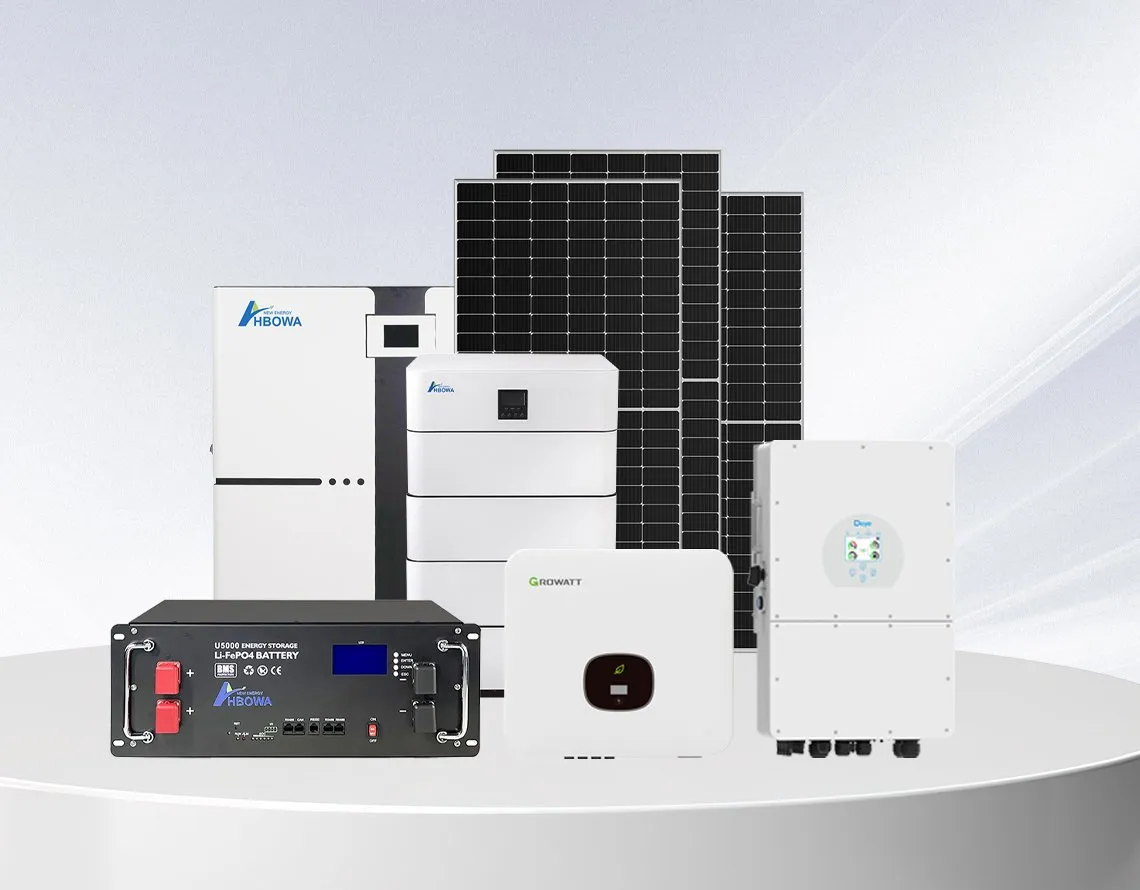
Estudo de caso da vida real: Solar residencial com LifePo4
Uma das casas localizadas em Portugal decidiu recentemente instalar uma implementação solar de 5kW na cobertura, changing their battery to LiFePO4 from lead-acid functioned battery. Nesta casa, the initial lead-acid battery used to require frequent checkup. Since the battery had shorter life, they decided to start powering the battery with solar charging by lithium battery system.
Menos manutenção foi o primeiro benefício adequado da troca de baterias. A solar-powered battery from LiFePO4 requires less maintenance due to much lower chance of sulfation and better deep discharge ability. Lesser battery change also lowers the cost for long-term usage of the household.
Although the starting price is higher than lead-acid, the cost of lithium battery for solar panel system can be lower in long run. Devido a isso, the reliability of overall solar system increased for this household to a good extent, ensuring higher energy independence.
Choose a Solar Charging Solution for Your Application
LiFePO4 charging requirements depend on battery voltage, capacidade utilizável, produção solar, compatibilidade do inversor, and the intended application. A residential backup system and a commercial energy storage project should be evaluated differently.

Solar doméstico & Sistemas de backup
Explore home battery solutions for solar self-consumption, household backup power, and compatible system configurations.
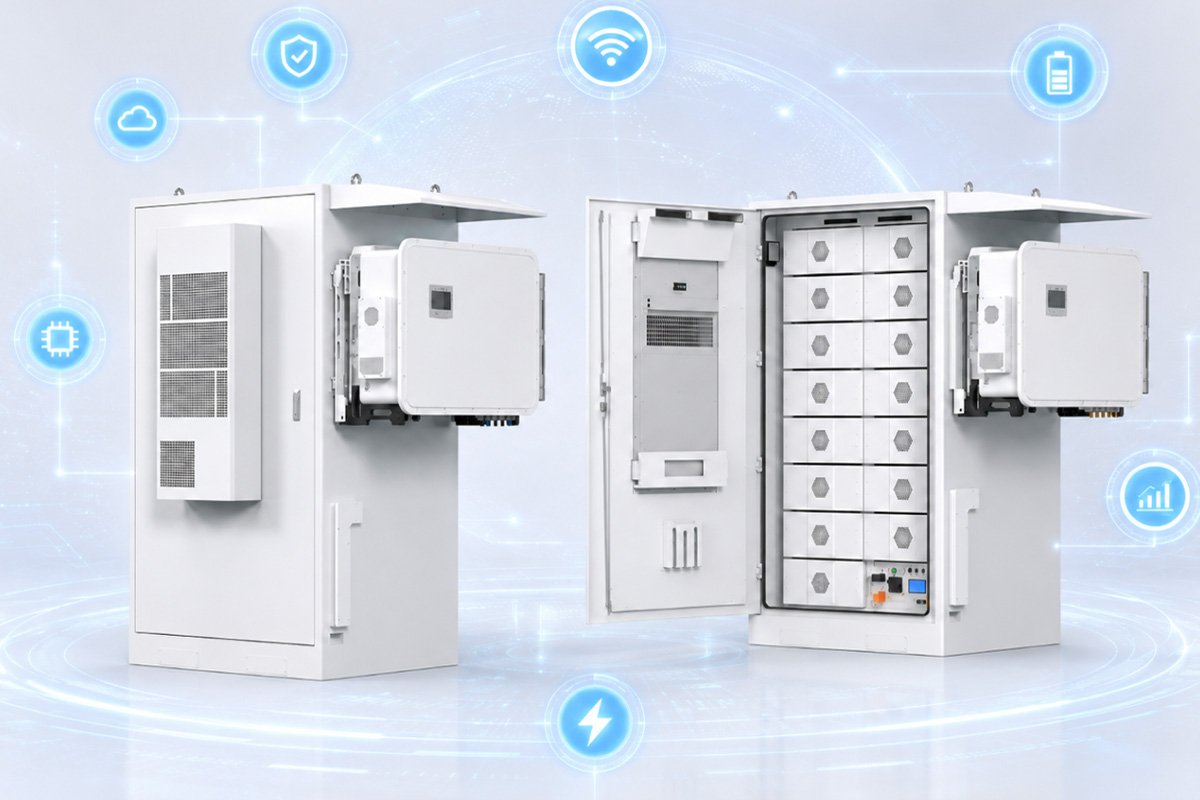
Commercial Solar Storage
Explorar C&I energy storage cabinets for solar storage, energia de reserva comercial, Pico de barbear, e aplicações específicas do projeto.
For a system evaluation, please provide your battery voltage and capacity, solar panel configuration, modelo de inversor, tempo esperado de backup, local de instalação, and application requirements.
Quais são as dicas de segurança e manutenção para baterias de vida de carga solar4
These are some safety and maintenance tips while charging LiFePO4 batteries with solar. Use a DC-rated fuse or breaker near the battery. Keep terminals tight and clean. Do not put controller and inverter in a place where heat cannot go out. Check first full charge after installation and record voltage, atual, temperatura, and warning messages.
For 48V home battery or commercial solar storage, battery communication is also useful. If the inverter and battery support CAN or RS485, use the approved communication protocol. If manual setting is used, keep the setting conservative and write it down for later checking.
Conclusão
Para resumir, charging LiFePO4 batteries with solar power has numerous benefits. This includes higher efficiency when charging batteries with sunlight, extended cycle life and less maintenance compared to other batteries. Ainda, the right equipment is key, such as LiFePO4 solar charger, Controlador MPPT, and compatible hybrid inverter.
If you need more information and guidance, please ask HBOWA experts. HBOWA provides solar solutions and services related to sistemas solares como painéis solares, Baterias LiFePO4, inversores híbridos, and other instruments needed for off-grid, Backup de casa, e commercial solar storage systems.
Perguntas frequentes
Não, it is not recommended to charge a LiFePO4 battery using a standard lead-acid charger. You must have a LiFePO4 compatible charger or a controller with custom lithium profile.
Sim, Para carregar baterias de fosfato de ferro de lítio usando solar, Você precisa de um carregador solar de lítio com parâmetro compatível com fosfato de ferro de lítio.
The 12V LiFePO4 battery should be charged at a voltage between 14.2V to 14.6V in many systems. Check the exact manual first.
Sim, the solar charger for lithium batteries is different because LiFePO4 needs accurate voltage setting and should not use equalization like lead-acid battery.
Não, direct connection is not recommended. Solar panel output is not stable and should pass through a charge controller or hybrid inverter.
Normally it should not be charged below 0 C unless the battery has low-temperature charging protection or heating function.
For a 12V 100Ah LiFePO4 battery, 300W to 400W solar panel is common when there are around 4 horas de pico do sol. Real load and sun condition should decide final size.
Sim, HBOWA can help match LiFePO4 batteries, inversores híbridos, painéis solares, and charging settings according to project need.