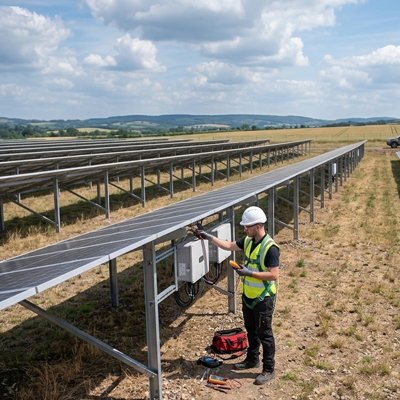
Energia máxima de barbear é essencial para manter baixas as contas de eletricidade. Em 2025, O custo da eletricidade aumentou significativamente em geral (Para empresas ou aplicações residenciais). As tarifas de demanda foram aumentadas pela concessionária apenas durante o horário de pico de uso de eletricidade. O custo pode ser efetivamente reduzido usando uma bateria de energia para armazenar durante o período de alto uso de eletricidade. Com este método, a empresa pode cobrar por eletricidade alta quando está fora do horário de pico e usá-la quando o preço está quase no pico para reduzir o custo de energia.
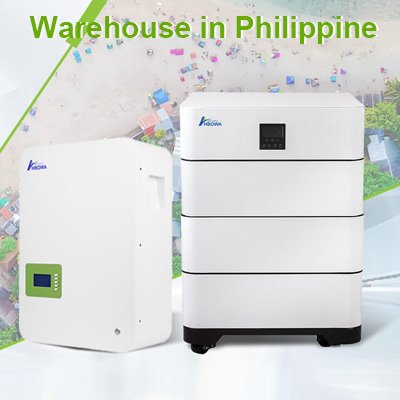
Para atingir as metas de eficiência, as empresas e os proprietários usam muitas técnicas, por exemplo, Bess contendo Baterias LiFePO4 fornecido pela HBOWA ou por alguma outra marca respeitável, combinado com Painéis solares de nível 1 e inversores.
O que é barbear de pico?
Para entender o conceito de Corte de Pico, primeiro, deixe-nos saber o que é barbear de pico.
Em vez de extrair a dispendiosa electricidade disponível na rede, uma organização consome eletricidade armazenada ou reduz as cargas seletivas não essenciais para que o consumo de eletricidade fique abaixo do pico.
Vamos supor, para uma melhor compreensão do conceito, em um meio-dia quente de verão, uma organização pode desligar os sistemas não críticos, interrompendo o funcionamento de todas as unidades de resfriamento ou usar as baterias carregadas durante a noite.
A demanda repentina na rede parou, e a organização agora está desfrutando de uma cobrança de demanda menor por parte da concessionária.
Além de tornar o barbear de pico diferente do derramamento de bateria e resposta à demanda, também é mais flexível e disruptivo. Embora a perda de bateria possa significar que uma parte do processo está parando um equipamento ou reduzindo o uso, a resposta à demanda envolve um acordo com a concessionária e a organização de que a empresa será paga para reduzir o uso de eletricidade quando a rede estiver muito estressada. Em contraste, baterias de sombreamento de pico pode proteger a rede sem interrupção e resultar em economia.
Em vez de reduzir o consumo de energia elétrica, as pessoas devem sempre manter um equilíbrio entre consumo e oferta para manter o custo em um nível mais baixo, mas as operações ainda estão em andamento.
Como funciona o armazenamento de energia de redução de pico?
Uma empresa carrega seu sistema de bateria fora do horário de pico, quando a energia da rede é barata. A energia obtida da energia solar também pode ser armazenada nas baterias sem nenhum custo. Essa energia é armazenada como reserva para ser usada posteriormente.
À medida que a demanda por eletricidade aumenta e entra no seu tempo caro, o processo está parado. Em vez da energia da rede, a energia é extraída das baterias. Isso garante que a demanda nunca seja atendida ou ultrapasse os limites para incorrer em despesas. Como resultado, tanto os encargos de utilização de energia como os encargos de capacidade de procura são reduzidos.
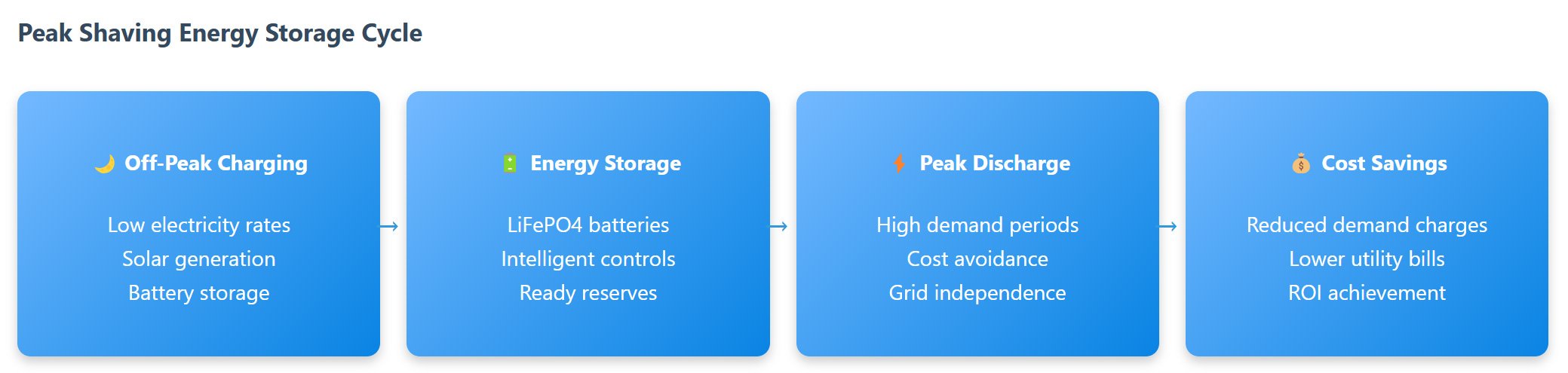
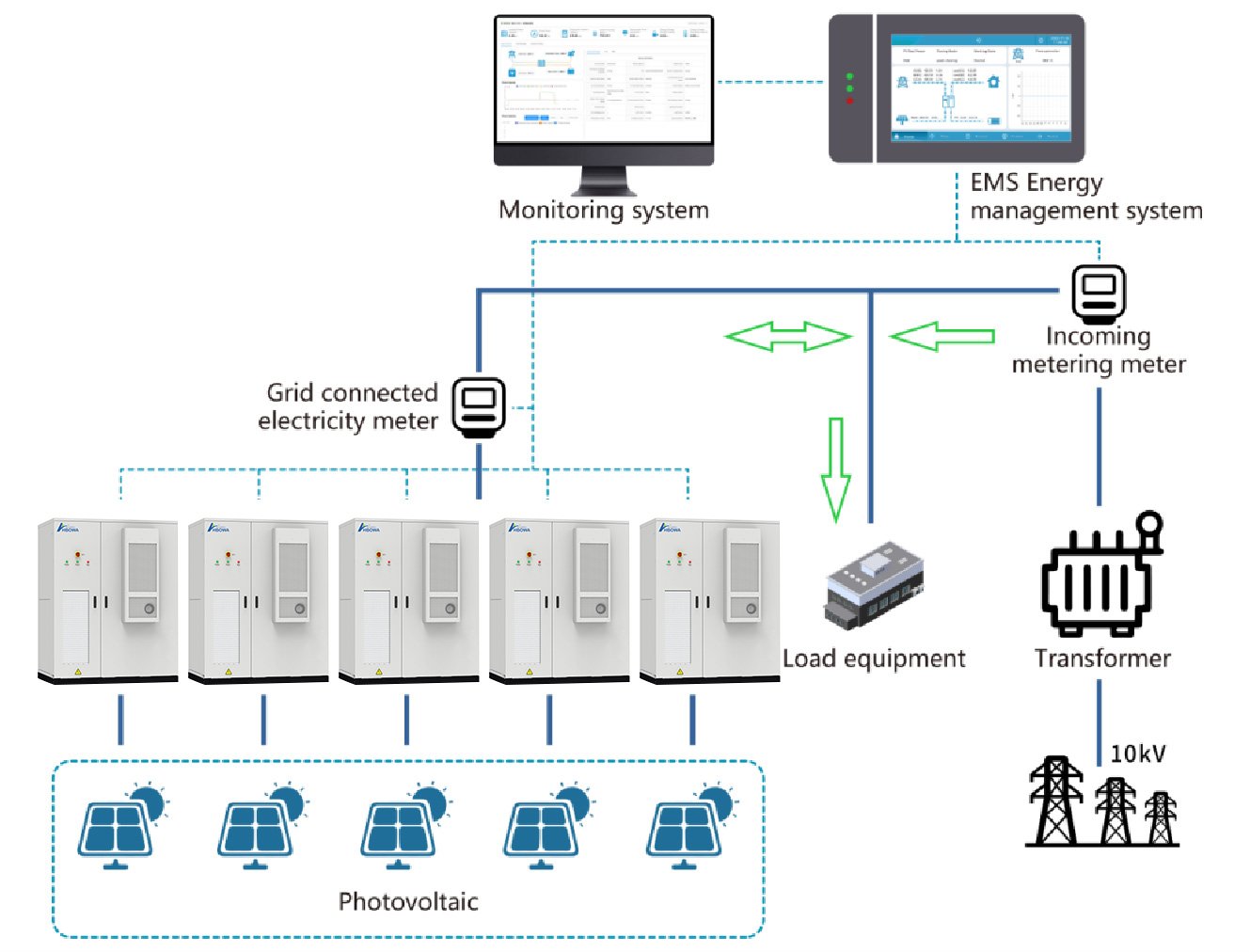
Todos os processos acima mencionados são monitorados por sistemas de potência de pico e regulado por um controle e software inteligentes. Esses sistemas operam carregando ou descarregando em relação à carga variável em tempo real. Também, plataformas de gestão de energia são usadas, ajudando as baterias a ficarem prontas, tomar decisão no momento, e evitar ciclismo desnecessário, o que não é obrigatório, e também reduz a vida útil da bateria.
Este é o equilíbrio automatizado que faz redução de pico de armazenamento de bateria eficaz. Uma empresa pode reduzir o custo de utilização ao mínimo possível sem perturbar o seu funcionamento normal.
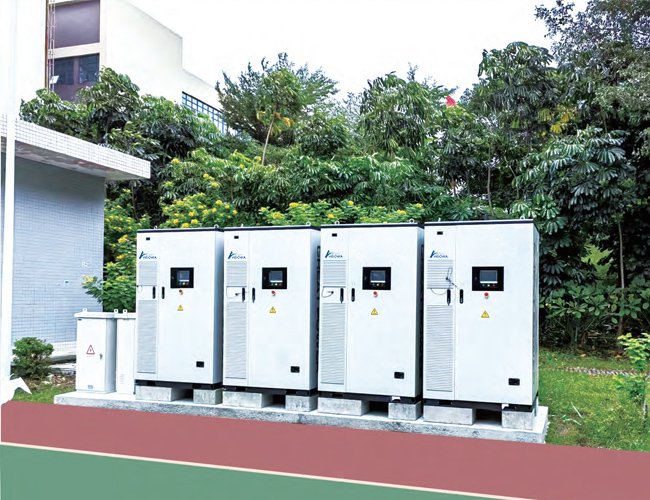
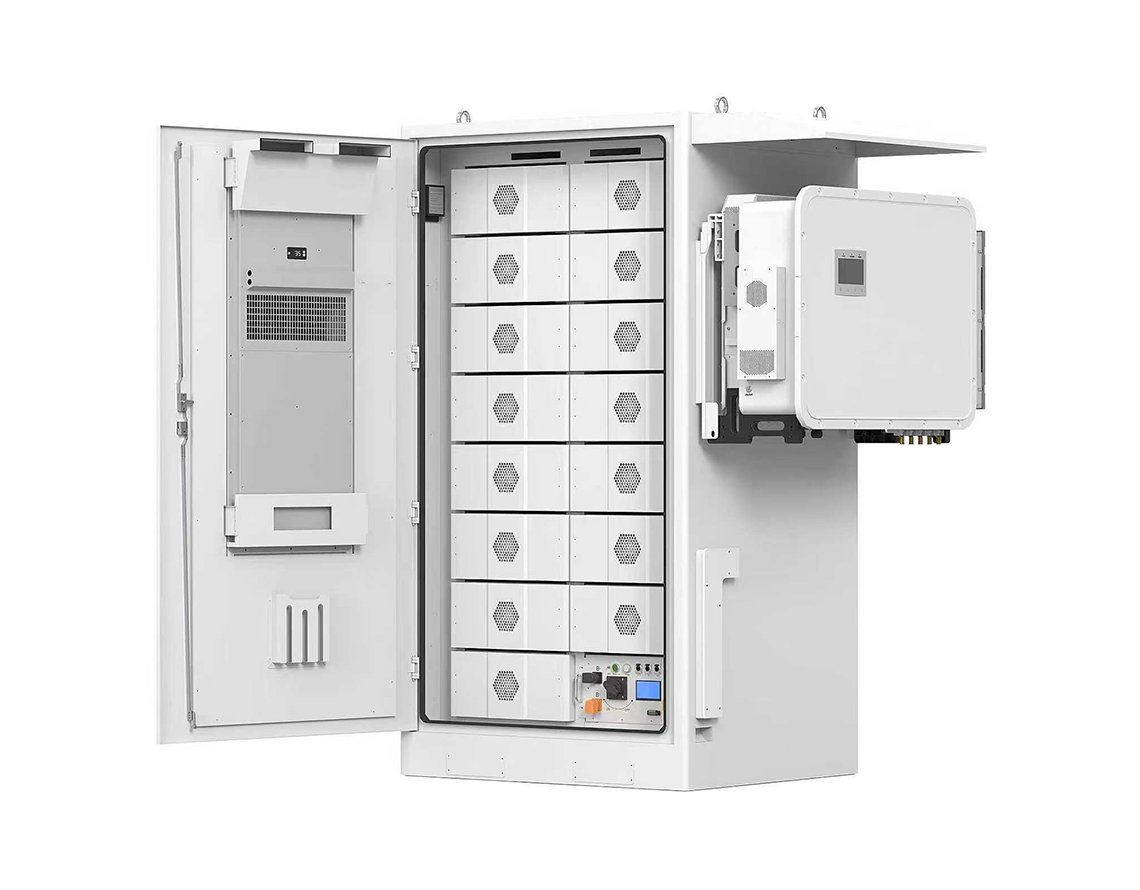
For commercial and industrial sites, um armário de armazenamento de energia comercial provides a practical format for placing battery storage, conversão de energia, and controls close to the facility load.
Por que as empresas precisam de redução de pico
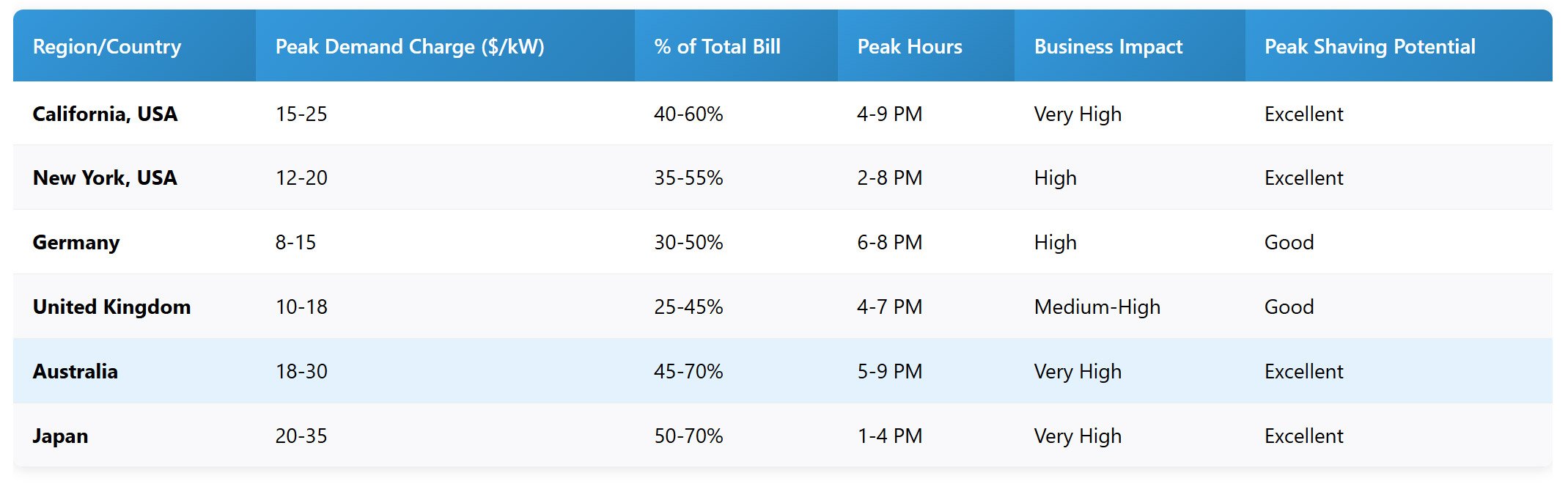
Para a maioria das empresas, as tarifas de demanda são uma parte significativa de suas contas de eletricidade, no entanto, esta despesa permanece oculta. Na maioria dos setores comerciais e industriais, uso das empresas 30% e até 70% do valor total em encargos à vista. O maior intervalo de uso de energia em um ciclo de faturamento é o que as concessionárias medem, e eles cobram uma empresa com base no valor mais alto que obtiveram. O pico de utilização é imprevisível e não se enquadra nos modelos de consumo. Se as empresas não usarem uma estratégia como corte de pico, eles seriam expostos semanalmente, mensal, e picos anuais.
A necessidade de redução de pico de armazenamento de bateria varia de acordo com o local. Diferentes estados dos Estados Unidos, como Califórnia e Nova York, cobrar mais, uma vez que o consumo de energia de uma empresa é maior à noite. Na Europa, A Alemanha e o Reino Unido tributam fortemente os utilizadores industriais de electricidade durante o seu pico de utilização. Ásia-Pacífico tem vários centros de produção, e países como o Japão e a Austrália têm algumas das taxas de procura de negócios mais elevadas do mundo.
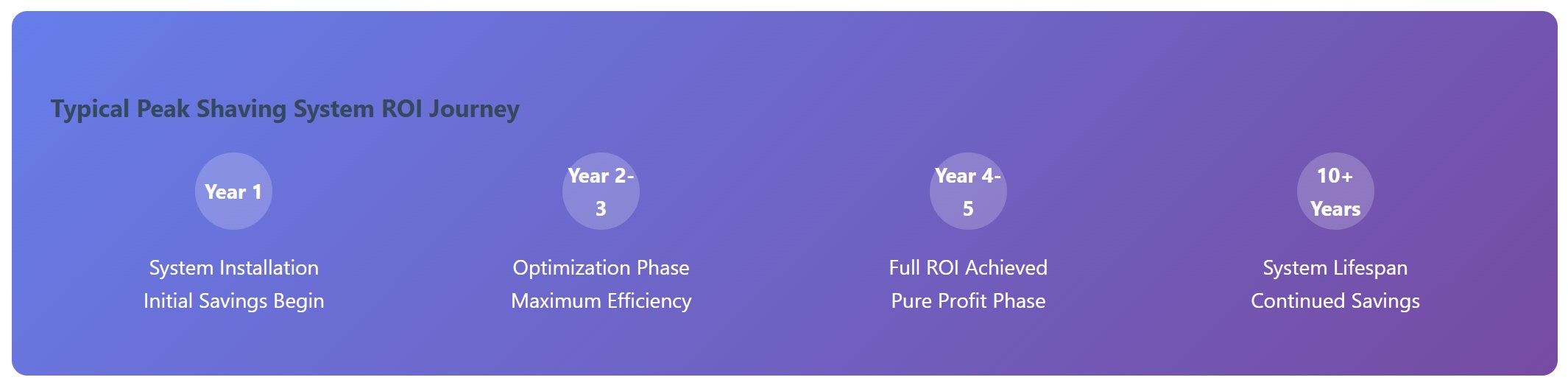
Aqui está um exemplo de um caso do mundo real. A fatura mensal de uma empresa fabril de médio porte aumentou devido ao pico de demanda, devido aos seus turnos noturnos que usavam máquinas. Suas instalações instalaram um sistema de bateria de barbear de pico que armazenou energia suficiente para cobrir a carga noturna. Com uma redução de milhares de dólares em suas economias mensais, o sistema de cobrança se pagou um pouco mais 4 anos.
As empresas encontrarão no investimento no armazenamento de energia uma solução eficaz para reduzir as suas faturas energéticas. Os retornos serão imediatos e se tornarão previsíveis. A taxa também permitirá que a maioria das empresas confie neste investimento, uma vez que os valores mais elevados serão pagos apenas em 3 para 5 anos, depois disso, as empresas apenas reduzirão as suas contas de energia para lucrar.
Redução de pico com armazenamento de bateria vs.. Outras estratégias
Quando se trata do mercado hoje, existem várias estratégias que as empresas usam para gerenciar altos custos de energia.
Uma solução avançada é um sistema de bateria de barbear de pico, onde o armazenamento de energia é preenchido e pode ser usado quando um aumento de demanda é necessário (quando o Pico de barbear ocorre). Esta solução é mais eficaz porque proporciona um controle preciso, resposta instantânea, e confiabilidade da fonte de energia.
Outro sistema de gerenciamento de energia disponível no mercado sugere deslocamento de carga. Envolve mudar a operação de trabalho com uso intensivo de energia para horários fora de pico, como operar chillers à noite em vez de funcionar no meio da tarde.
Em algumas indústrias, é altamente eficaz, mas em alguns casos, isso leva a uma mudança no método de operação. A resposta à procura fornece um acordo onde as empresas podem ser pagas ou obter uma fatura de eletricidade mais baixa em caso de utilização reduzida quando a rede está sob pressão.
As desvantagens dessas estratégias são que, ao contrário de alguns Barbear fora do pico estratégias, as empresas podem escolher Energia BESS e usar o armazenamento de energia com base na demanda. Sistemas LiFePO4 fornecer a melhor energia porque tem um ciclo de vida longo e desempenho constante. Este novo sistema de bateria opera silenciosamente, sem emissões, e fornece resposta instantânea adequada.
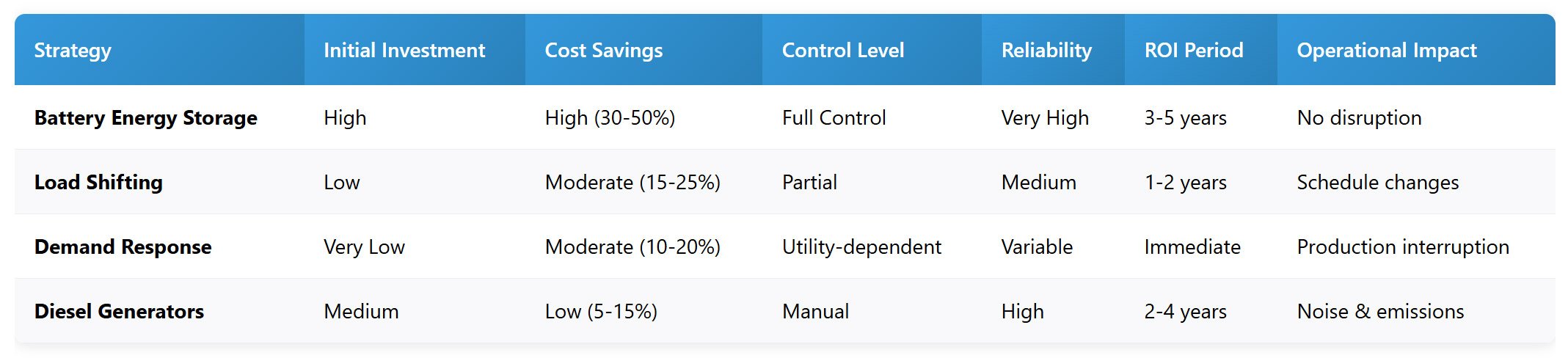
Quando indústrias e empresas substituem um gerador a diesel por um bateria de barbear de pico não apenas reduz custos, mas também garante operação contínua com impacto ambiental mínimo.
Benefícios do armazenamento de energia Peak Shaving
Adotando armazenamento de bateria para Pico de barbear tem benefícios além de minimizar as contas de eletricidade. Em termos de finanças, a economia de custos por não usar tanta energia é imediata e mensurável. Para muitas empresas, isso é decisivo quando se trata de passar de despesas mensais imprevisíveis para um estável, figura controlável.
Outro fator importante é a resiliência. Durante um potência de pico sob demanda período, as baterias atuam como uma fonte de energia à prova de falhas. Ignorar apagões ou interrupções na produção em setores como o da saúde, logística, e serviços de dados. Os dispositivos de segurança convencionais não podem ser transferidos para dentro ou fora da rede, mas a bateria pode suportar facilmente a quantidade necessária de carga para continuar operando. A qualidade da energia da instalação será mantida, e o tempo de inatividade será evitado em todas as circunstâncias.
A sustentabilidade é um fator cada vez mais importante. O sistema de barbear em muitos países é baseado em diesel ou gás, que está se tornando menos compatível com seus objetivos de descarbonização. O uso de energia armazenada de forma limpa permite que a indústria reduza as emissões e cumpra as metas ESG regulatórias ou corporativas. Esta medida é particularmente valiosa para indústrias que estão sob forte pressão para demonstrar tanto o caso comercial real para a redução de emissões como os requisitos legais.
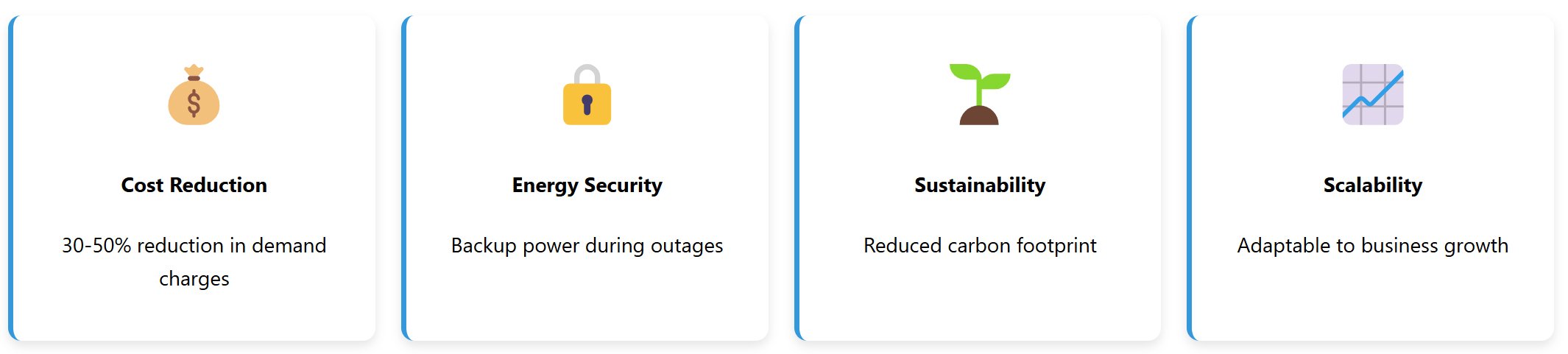
A escalabilidade de bateria de barbear de pico soluções também é um atrativo. Uma pequena loja de varejo pode empregar uma bateria pequena para cobrir picos e evitar cobranças de demanda, enquanto um fabricante de aço pode empregar vários megawatts-hora de armazenamento. A mesma tecnologia central pode ser adaptada a vários setores sem qualquer redesenho complicado.
Um poderoso exemplo regional vem de Singapura. Os data centers regionais estão sujeitos a requisitos rígidos de confiabilidade. Ao empregar armazenamento de energia de pico de barbear, os operadores de data centers evitam interrupções dispendiosas e reduzem a carga que colocam em uma rede já cansada. Isso garante a conformidade com os regulamentos, e o operacional será uma exigência em uma área com alta concorrência.
Estudos de caso da vida real & Exemplos de negócios
Os custos de energia são uma preocupação significativa para os hospitais. Um hospital de médio porte implantou painéis solares com LifePo4 Storage (HBOWA) armazenamento de energia de pico de barbear para combater o problema. Isto não apenas reduziu os encargos de demanda, mas também garantiu backup ininterrupto para equipamentos médicos críticos.
Outro exemplo real de redução de custos de energia está na Alemanha. Esta fábrica alemã enfrentou problemas durante a alta temporada no inverno e no verão. A bateria de barbear de pico sistema ajuda a proteger significativamente seu investimento. Também garante que o consumo coincide exatamente com as taxas de demanda e reduz a taxa em mais de 25 por cento porque evitam todas as penalidades por estresse na rede.
Olhando para o setor comercial na Califórnia, um edifício de escritórios alto investido em Sistemas de armazenamento de energia da bateria (Bess), e o retorno total do investimento foi alcançado em 4 anos através da redução das tarifas e da melhoria da segurança energética. Também enfatizou a profundidade do retorno do investimento que os sistemas de armazenamento modernos podem trazer em comparação com as alternativas historicamente utilizadas.
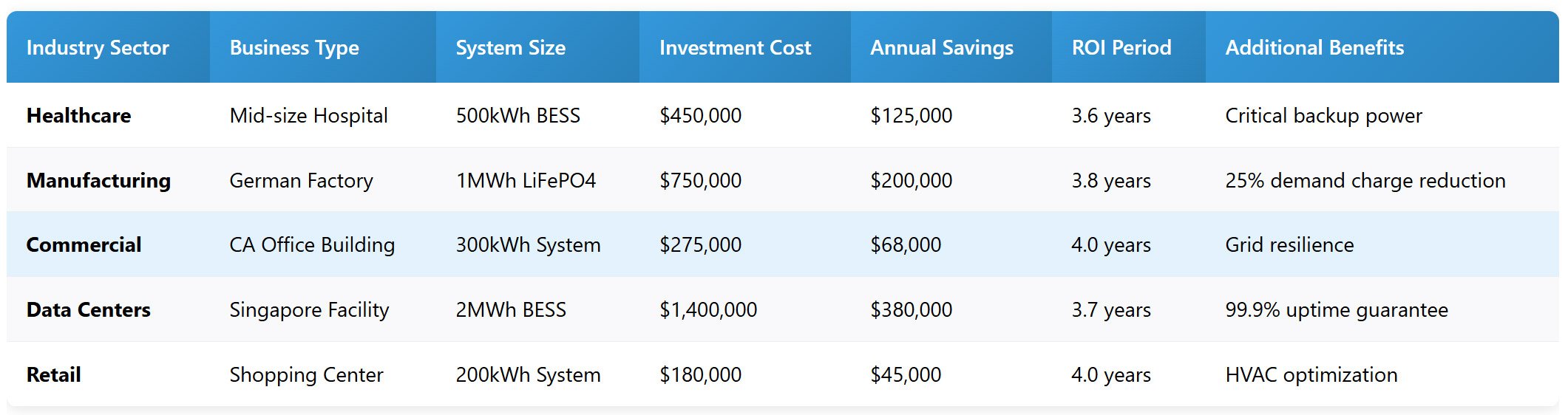
Esses exemplos mostram que armazenamento de energia de pico de barbear aplica-se em diferentes escalas.
Tendências futuras no armazenamento de energia para redução de picos
No futuro, o papel dos sistemas de armazenamento de energia da bateria (Bess) no barbear máximo expandirá seu significado. Como a inteligência do controle de Significado de energia BESS aumentará, o armazenamento se tornará mais sofisticado.
A introdução da inteligência artificial (Ai) levará a uma maior precisão na previsão de picos de demanda e à evolução de um despacho mais inteligente, ganhando com os sinais do BESS que permitem despacho mais inteligente e integração perfeita do sinal da rede.
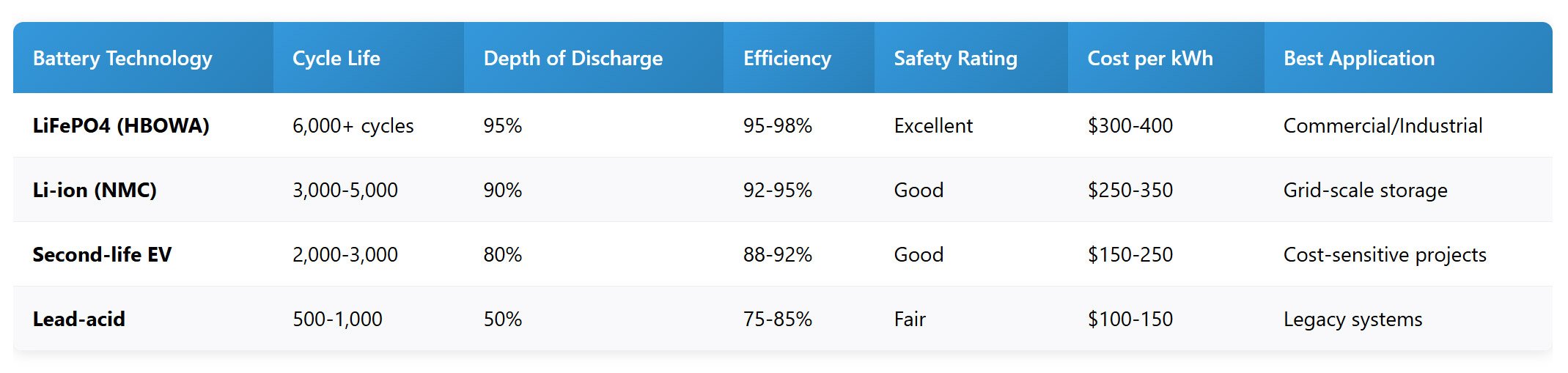
Uma tendência geral é a crescente demanda por baterias de segunda vida. O armazenamento de custo mais baixo é possível quando um reaproveitamento Pacote EV é comercializado e vendido. Mais avançado Projetos LiFePO4 são a preferência pela longa vida e segurança disponíveis ao projetar ferramentas ou brinquedos.
Duas soluções diferentes rapidamente se tornarão de interesse dividido com base na escala ou no orçamento. Com base em cada aplicação e no orçamento disponível para comprar armazenamento crescente, podemos buscar o custo inicial mais baixo com interesse geral semelhante na dimensão de custo, para funcionalidade mais limitada das baterias de segunda vida. O mais avançado Baterias LiFePO4 são a opção mais segura da Terra em toda a escala.
Um dos Pico de barbear e requisitos independentes são rápidos, integração simples em todas as outras considerações acima. Carregar baterias em qualquer lugar, Microgrídeos, e as instalações solares acontecerão em escala crescente e ao longo do tempo. Tudo isso deve ocorrer sob o capô do armazenamento de energia.
No barbear híbrido com energia solar e armazenamento sistemas para gerenciar os crescentes sistemas indisponíveis, bem como para evitar a dispendiosa expansão da rede, os mercados já estão crescendo no futuro.
Conclusão: Economia de energia mais inteligente com redução de pico
Para concluir, armazenamento de energia de pico de barbear permite que as empresas reduzam os custos de eletricidade, garantindo ao mesmo tempo que as indústrias funcionem normalmente. Armazenar e descarregar energia elétrica de acordo com a necessidade, as indústrias podem usar energia de acordo com suas necessidades durante os horários de pico de demanda. Por isso, as indústrias podem diminuir os custos hiperbólicos de energia e controlar a demanda. Referindo-se ao sistemas de barbear de pico, eles podem economizar dinheiro para as empresas, melhorar a grade, e trazê-los um passo mais perto de uma vida sustentável. Além disso, ‘HBOWA’ oferece nível 1 painéis solares, Inversores Deye ou Growatt, e baterias LiFePO4 projetadas para ajudar as empresas a implementar Pico de barbear estratégias. HBOWA designs commercial and industrial battery storage systems based on your load profile, peak-demand target, electricity tariff and required discharge duration.
Discuss Your Peak Shaving Project with HBOWA
Share your project location, Perfil de carga, electricity tariff structure, tempo de backup necessário, e condições de instalação. Our team can help assess a suitable C&I energy storage configuration for your application.


Review our
quality control process
e
available certification documents
before project confirmation.