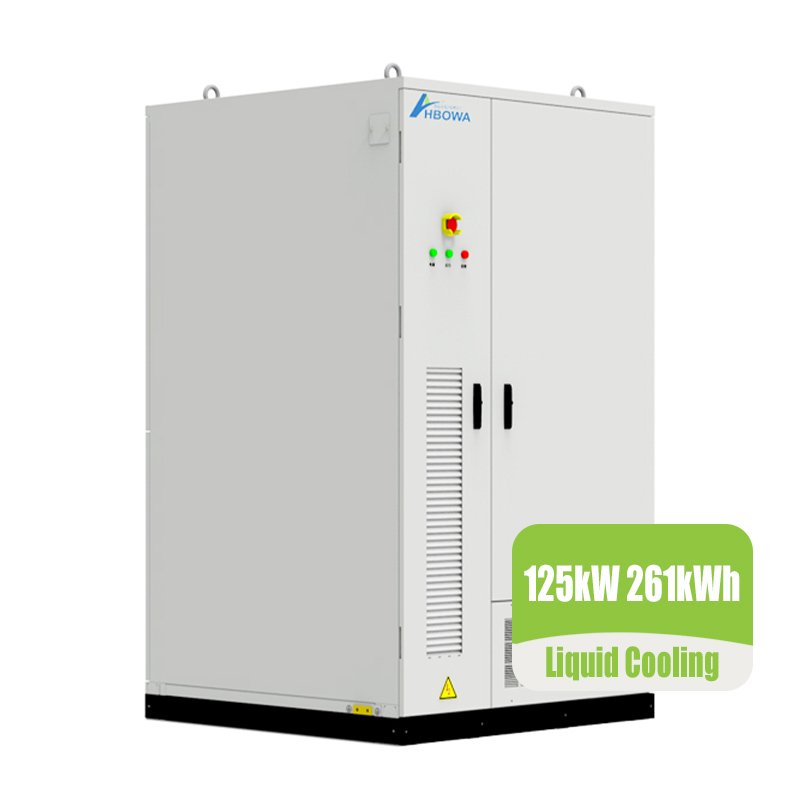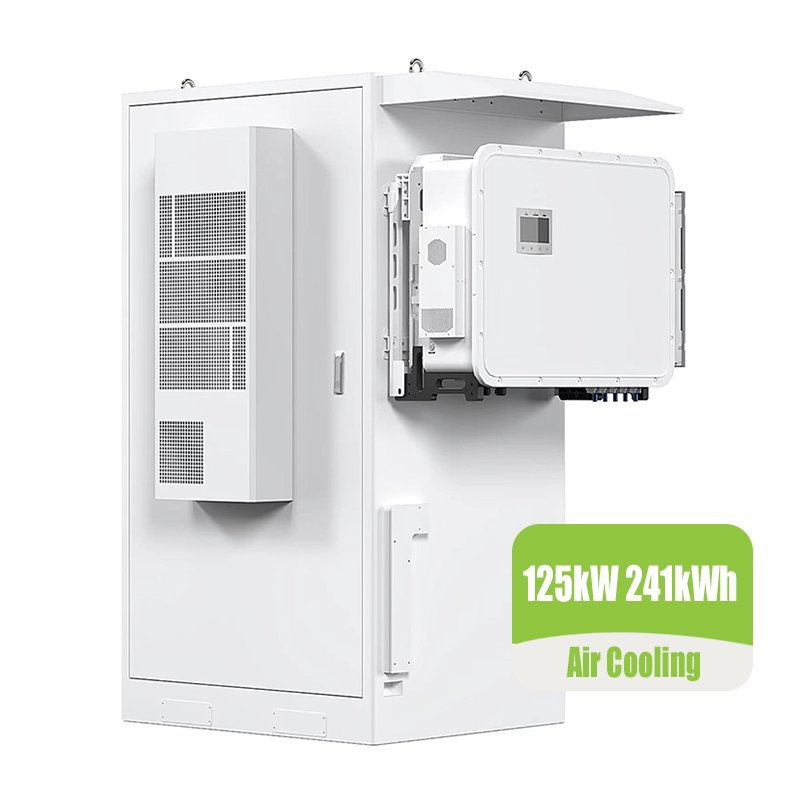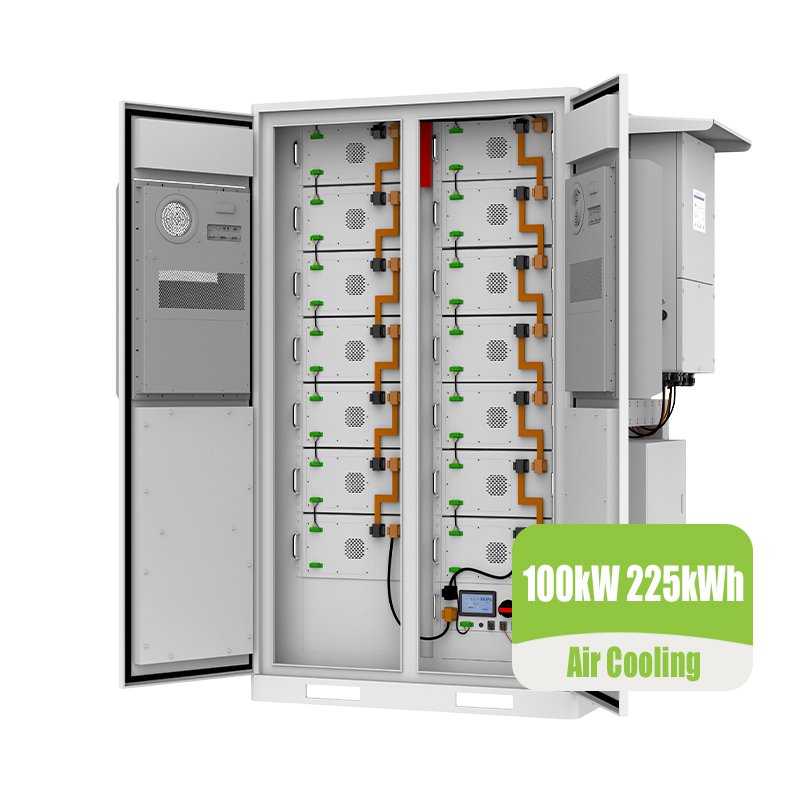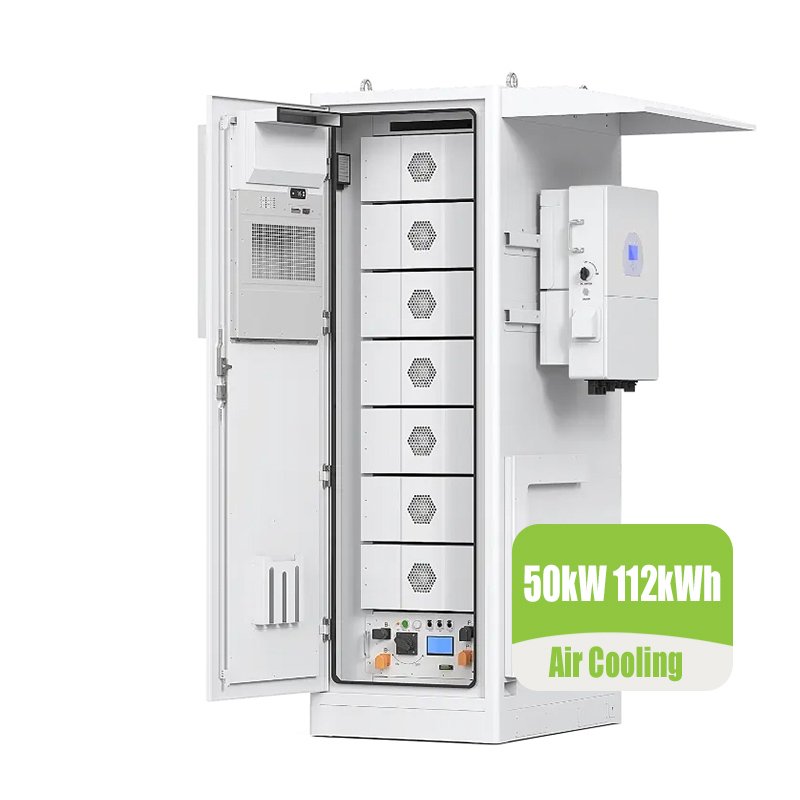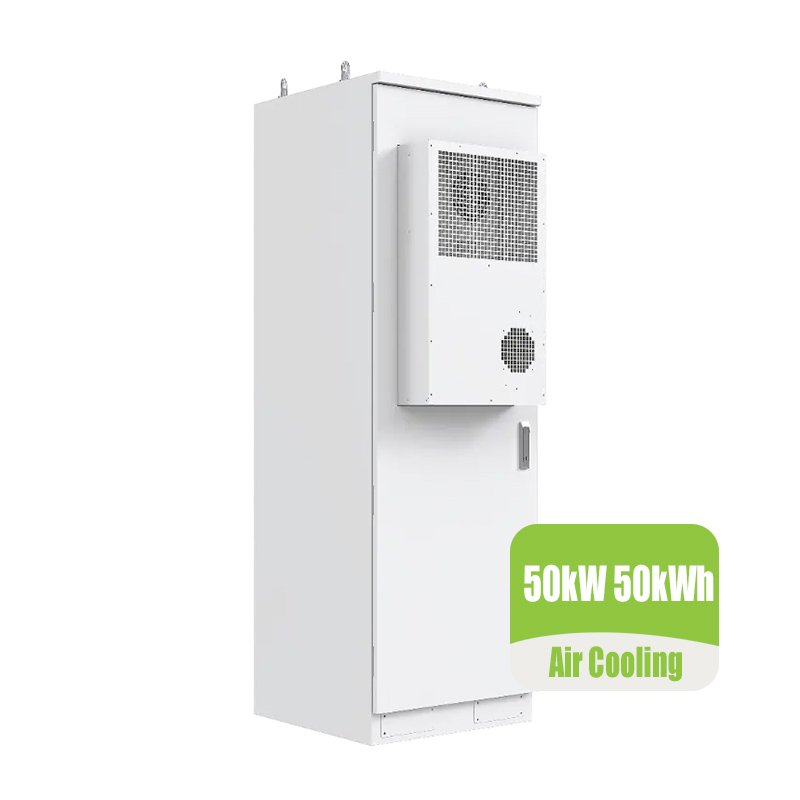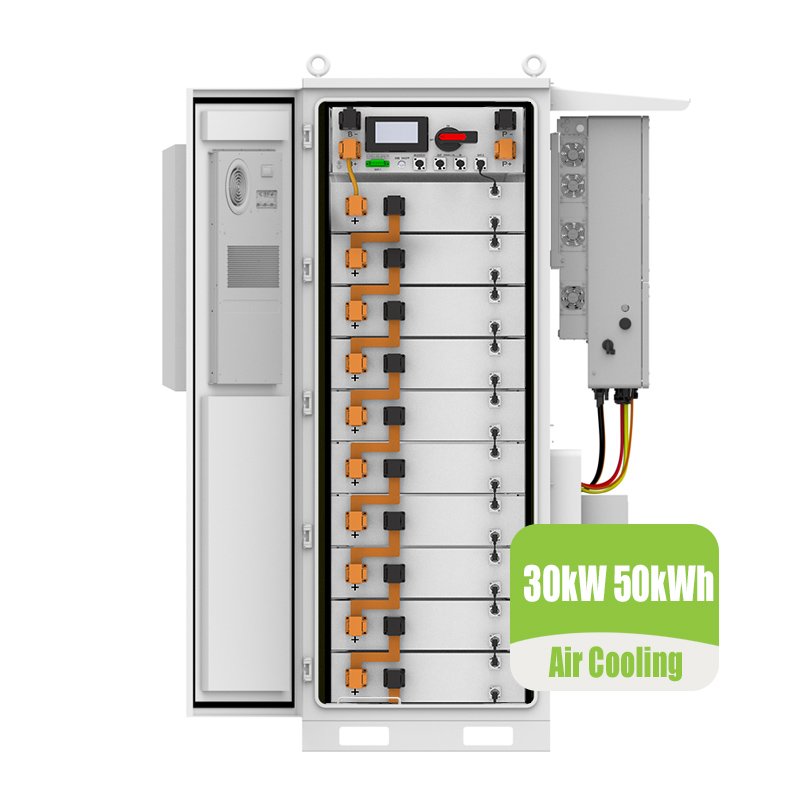
100kW 300kWh Off-Grid Residential Battery Storage System in Nigeria
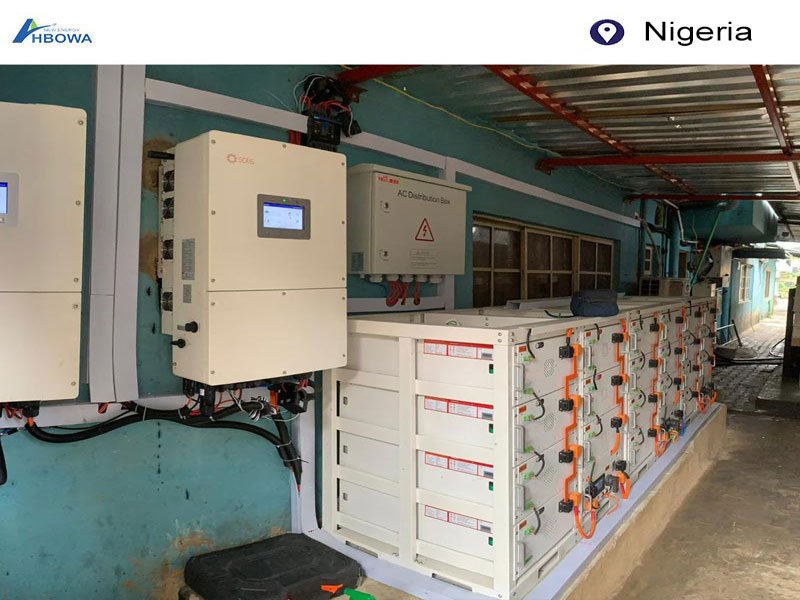
HBOWA supplied a 100kW / 294kWh off-grid battery storage system for a residential power project in Nigeria. The system is designed for solar power self-use, off-grid operation, and stable household electricity supply in an area without grid power.
Project Overview
| Item | Details |
|---|---|
| Project Location | Nigeria |
| Application | Off-Grid Residential Power Supply |
| System Capacity | 100kW / about 300kWh |
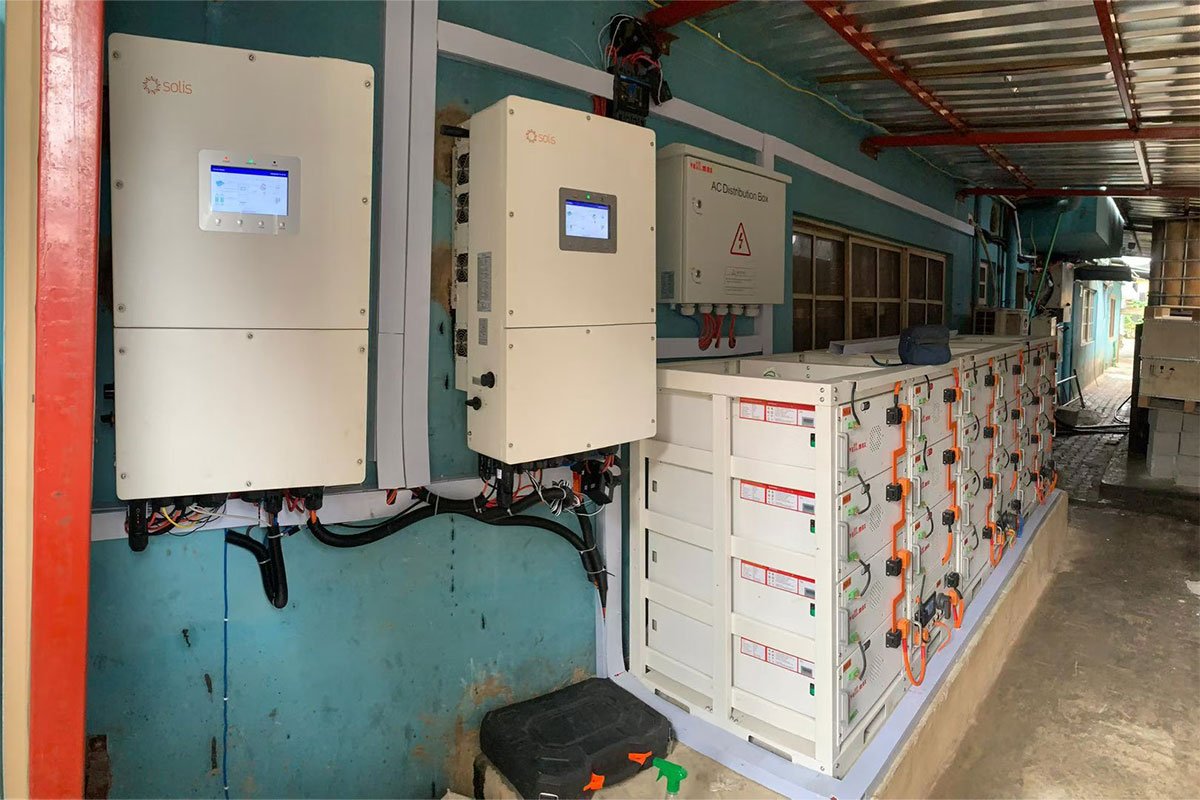
| Inverter | 2 × 50kW Solis Hybrid Inverters Connected in Parallel |
| Battery Configuration | 21pcs 51.2V 280Ah Battery Packs |
| Battery Capacity | 294kWh |
| Operating Mode | Solar self-use + battery storage + off-grid power supply |
| Deployment | Solis inverters and batteries Iistalled for residential electrical power use |
Customer Challenge
The customer needed a reliable electricity solution because there was no grid power available at the project site in Nigeria. Diesel generators could provide backup power, but long-term fuel cost, noise, and maintenance were major concerns. He required a cleaner and more stable power system for daily residential use.
Energy Storage Solution
HBOWA provided a 100kW off-grid energy storage solution using two 50kW Solis hybrid inverters connected in parallel and 21pcs 51.2V 280Ah battery packs to get 294kWh battery capacity.
The system supports:
- Solar power self-consumption
- Off-grid residential electricity supply
- Battery storage for night-time use
- Parallel inverter operation for higher power output
- Stable power support without a grid connection
Project Benefits
- Off-Grid Power Supply
Provides electricity in areas without grid access. - Residential Self-Use
Stores solar energy for night-time and daily household loads. - Reduced Generator Dependence
Helps reduce diesel fuel use, noise, and maintenance. - Stable Household Power
Supports lighting, appliances, pumps, air conditioning, and essential home loads.
How to Start Your Project with HBOWA?
Before We Quote, Tell Us 4 Things
Project Location & Grid
Country, grid stability, voltage, frequency, and whether grid connection or power selling is required.
Application Scenario
Backup power / solar storage / peak shaving / demand charge reduction / off-grid / hybrid / microgrid use.
Load & Energy Demand
Daily kWh use, peak power, operating hours, main loads, and whether motors or inductive loads are used.
Site & Special Requirements
Indoor or outdoor installation, available space, existing PV, generator, anti-backflow, EMS, or other special needs.
How HBOWA Handles Your Project
1 Project Location & Grid
We first confirm where the cabinet system will be used and how it connects to the local grid.
2 Application Scenario
Define backup power, solar storage, peak shaving, off-grid, or hybrid use.
3 Load & Energy Demand
Load data helps us calculate cabinet capacity, PCS/ inverter size, backup time, and surge load margin.
4 PV & Existing Equipment
We check whether the storage cabinet needs to work with solar panels, generators, transformers, or existing equipment.
5 Installation Site
Confirm indoor/outdoor installation, cooling method, cable distance, and installation cost.
6 Solution & Quotation
After collecting the project information, HBOWA prepares a practical cabinet solution and quotation for you.