100kW 416kWh BESS for Unattended Monitoring Station in China
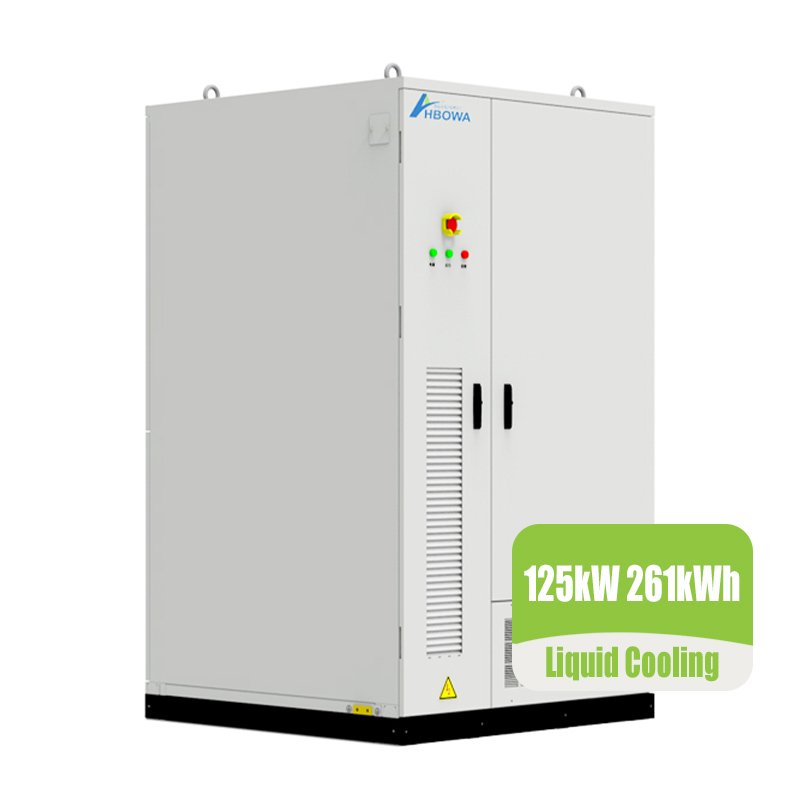
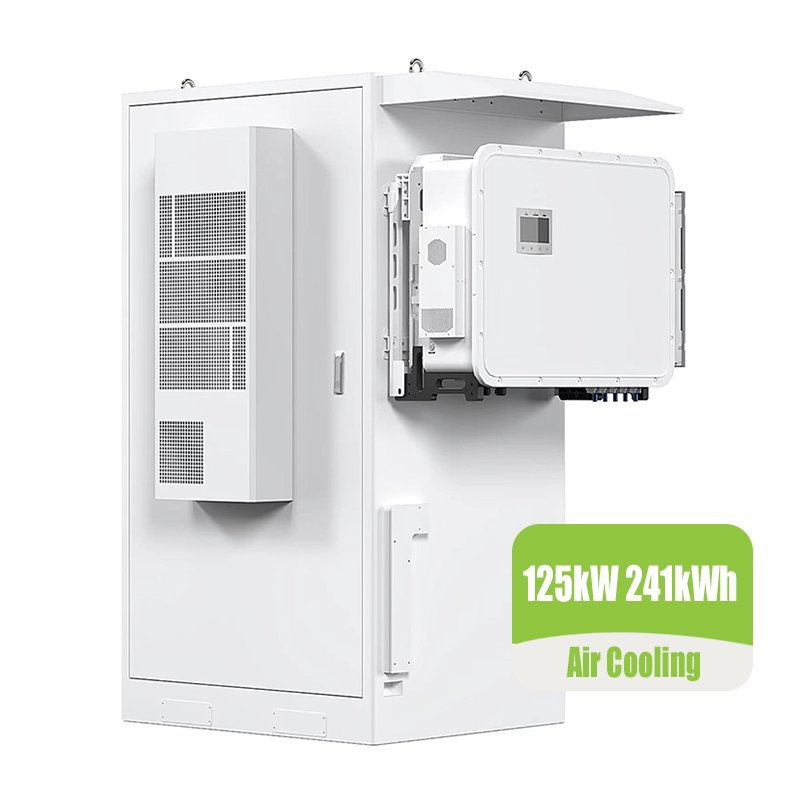
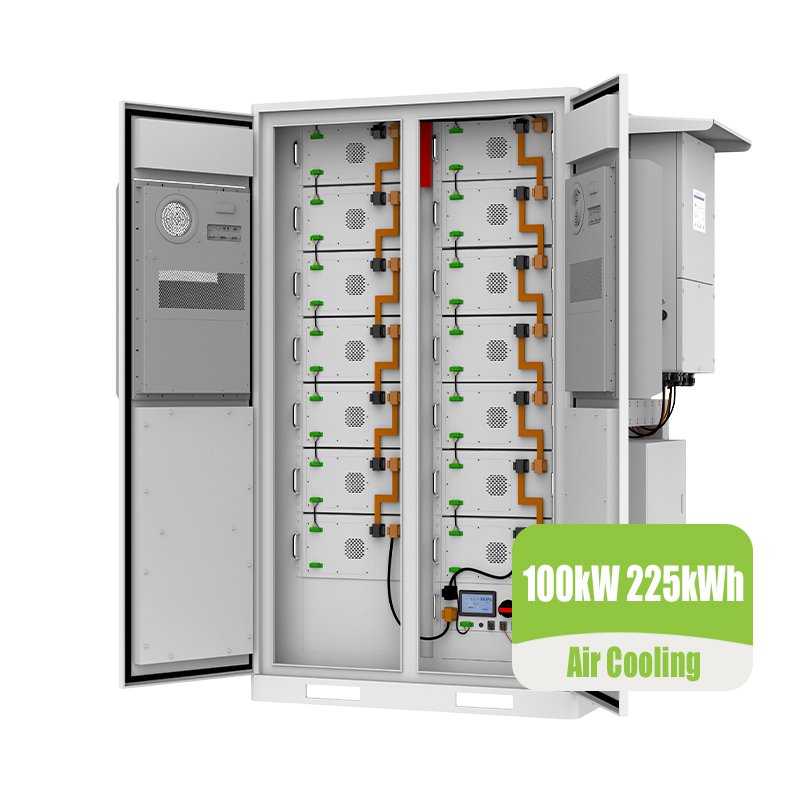
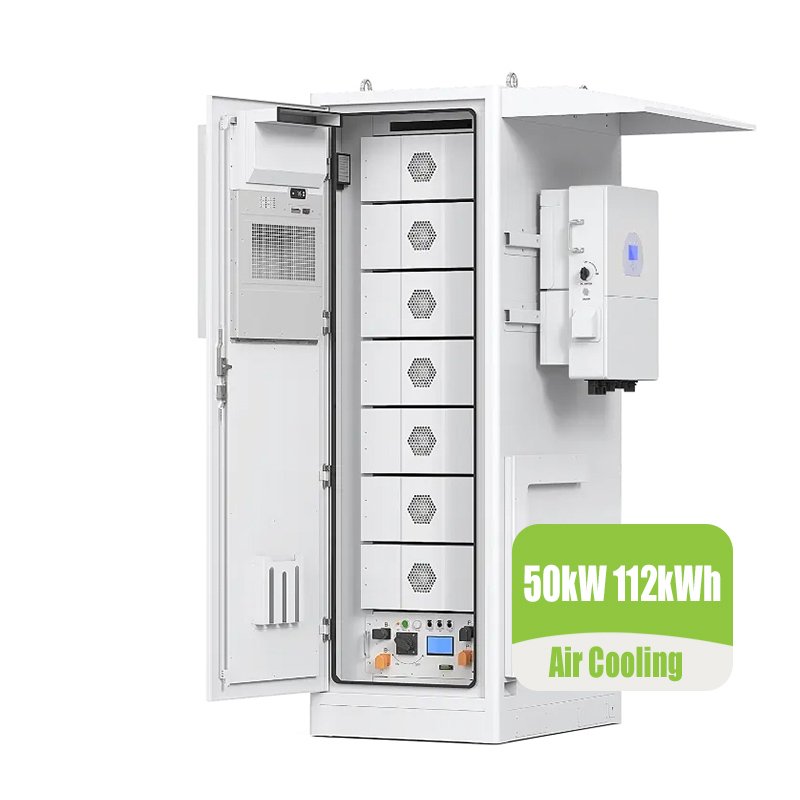
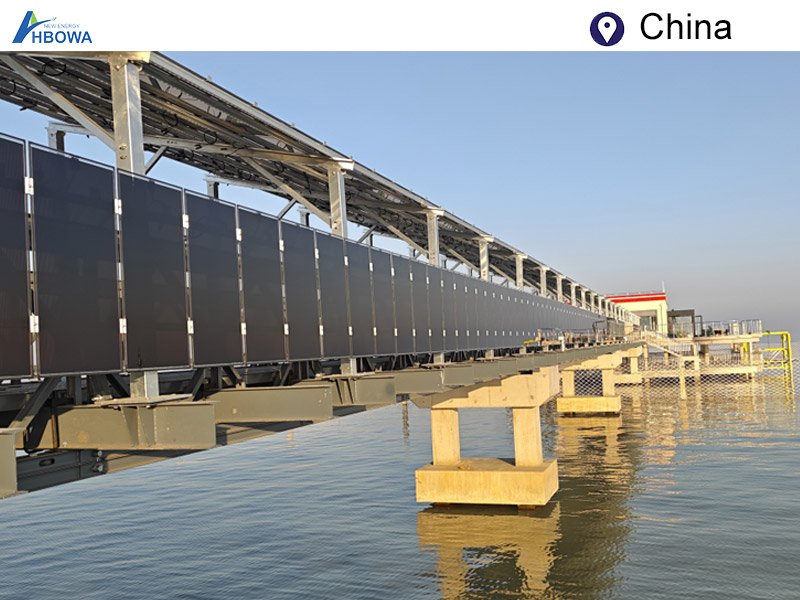
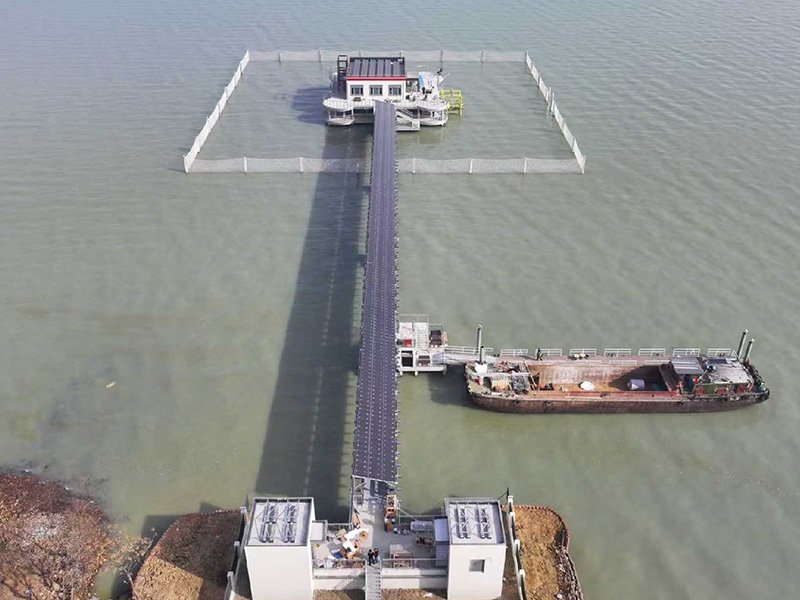
HBOWA supplied a 100kW 416kWh BESS battery storage system for a remote monitoring station in the lake area, China. The project was upgraded from a diesel-generator-based power supply to a cleaner PV + battery storage hybrid system.
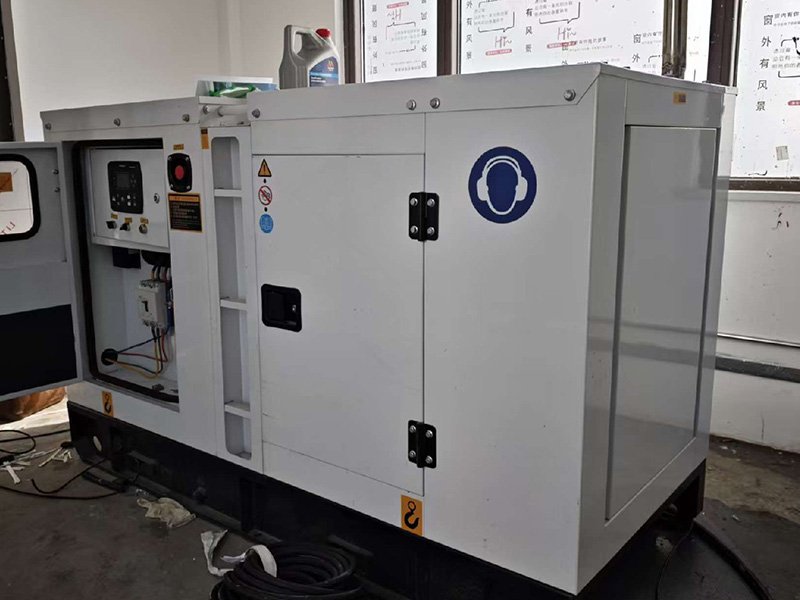
After the upgrade, solar power and battery storage became the main power source for the monitoring station. The existing diesel generator is retained as a supplementary power source and connected to the hybrid inverter, providing backup energy only during poor weather and low solar energy periods.
Project Overview
| Item | Details |
|---|---|
| Project Location | Lake Area, China |
| Application | Remote Monitoring Station Power Supply |
| System Capacity | 100kW / 416kWh |
| System Type | PV + BESS Hybrid Power System |
| Main Power Source | Solar PV + Battery Storage |
| Backup Power Source | Existing Diesel Generator |
| Operating Mode | PV self-use + battery storage + diesel generator supplement |
| Deployment | Power system upgrade for an unattended monitoring station |
Customer Challenge
The monitoring station needed a more stable and efficient power solution for unattended operation. Relying mainly on diesel generation caused higher fuel consumption, more maintenance work, and greater operation uncertainty. The station manager wanted to reduce diesel generator runtime and wanted green energy while maintaining reliable 24-hour power for monitoring equipment.
Energy Storage Solution
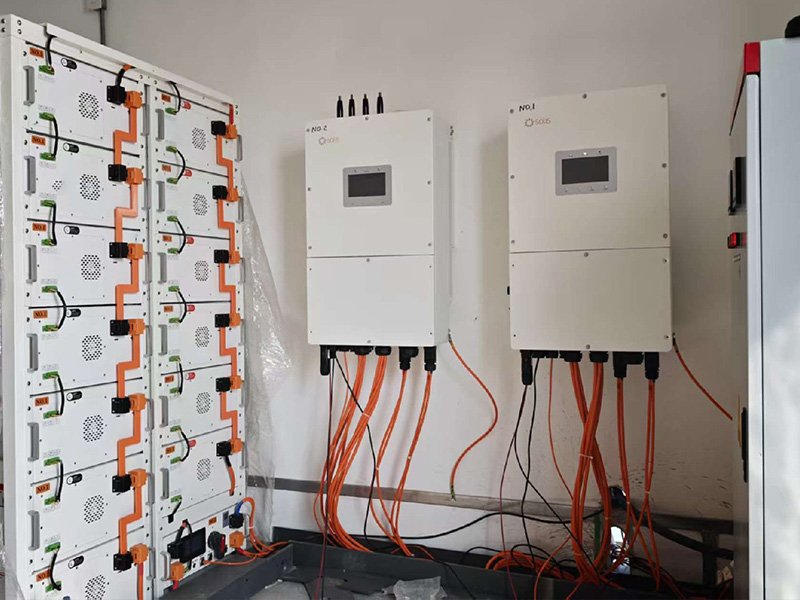
HBOWA provided a 100kW 416kWh BESS battery storage system integrated with solar PV, hybird inverter, and the existing diesel generator. After the upgrade, the monitoring station now operates mainly with solar PV and battery storage, while the diesel generator is used only as a supplementary power source during poor weather.
The system helps the station reduce the fuel dependence, improve energy use efficiency, and support long term unattended monitoring operations.
Project Benefits
- Lower Diesel Generator Runtime
Solar PV and battery storage become the main energy source, reducing diesel usage. - More Stable 24-Hour Power Supply
Battery storage supports night-time and low-solar operation. - Diesel Generator as Backup Supplement
The existing diesel generator remains available when weather conditions reduce solar output. - Cleaner Hybrid Power System
Reduces fuel consumption while keeping reliable backup power.
How to Start Your Project with HBOWA?
Before We Quote, Tell Us 4 Things
Project Location & Grid
Country, grid stability, voltage, frequency, and whether grid connection or power selling is required.
Application Scenario
Backup power / solar storage / peak shaving / demand charge reduction / off-grid / hybrid / microgrid use.
Load & Energy Demand
Daily kWh use, peak power, operating hours, main loads, and whether motors or inductive loads are used.
Site & Special Requirements
Indoor or outdoor installation, available space, existing PV, generator, anti-backflow, EMS, or other special needs.
How HBOWA Handles Your Project
1 Project Location & Grid
We first confirm where the cabinet system will be used and how it connects to the local grid.
2 Application Scenario
Define backup power, solar storage, peak shaving, off-grid, or hybrid use.
3 Load & Energy Demand
Load data helps us calculate cabinet capacity, PCS/ inverter size, backup time, and surge load margin.
4 PV & Existing Equipment
We check whether the storage cabinet needs to work with solar panels, generators, transformers, or existing equipment.
5 Installation Site
Confirm indoor/outdoor installation, cooling method, cable distance, and installation cost.
6 Solution & Quotation
After collecting the project information, HBOWA prepares a practical cabinet solution and quotation for you.