Limited Grid or Transformer Capacity
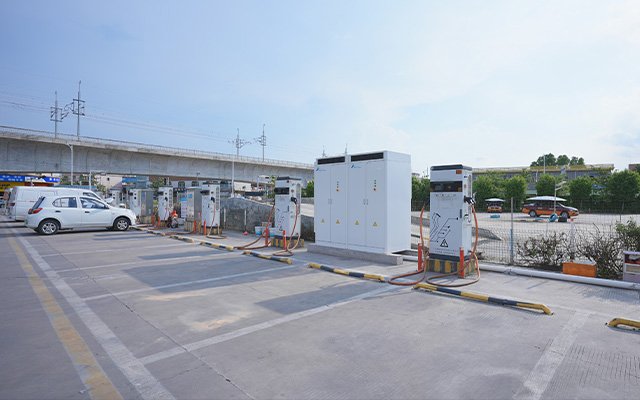
When grid or transformer capacity is limited, fewer chargers can function at the same time. By using battery storage for EV charging, extra power can be supplied during the peak period of charger use.
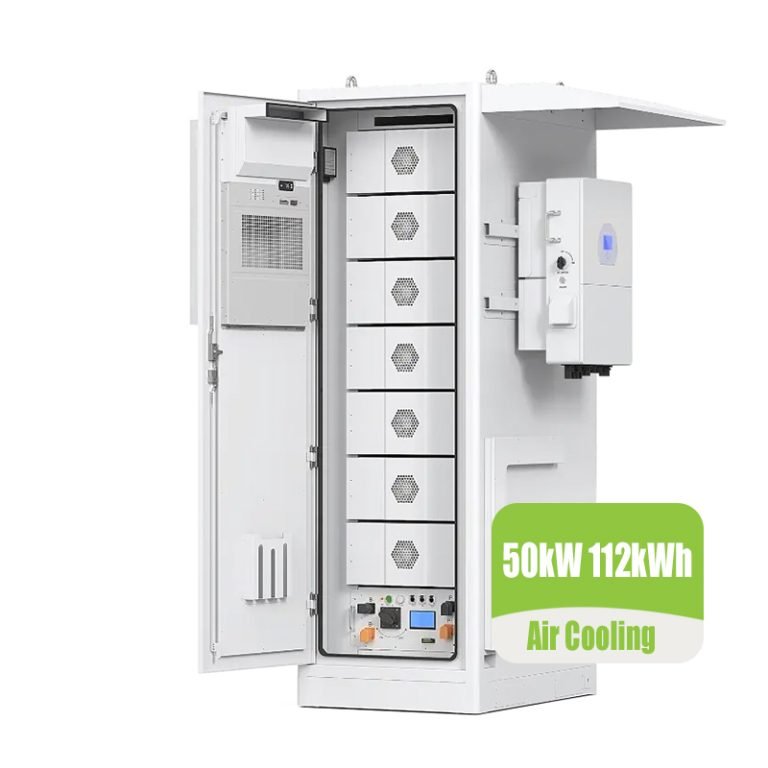
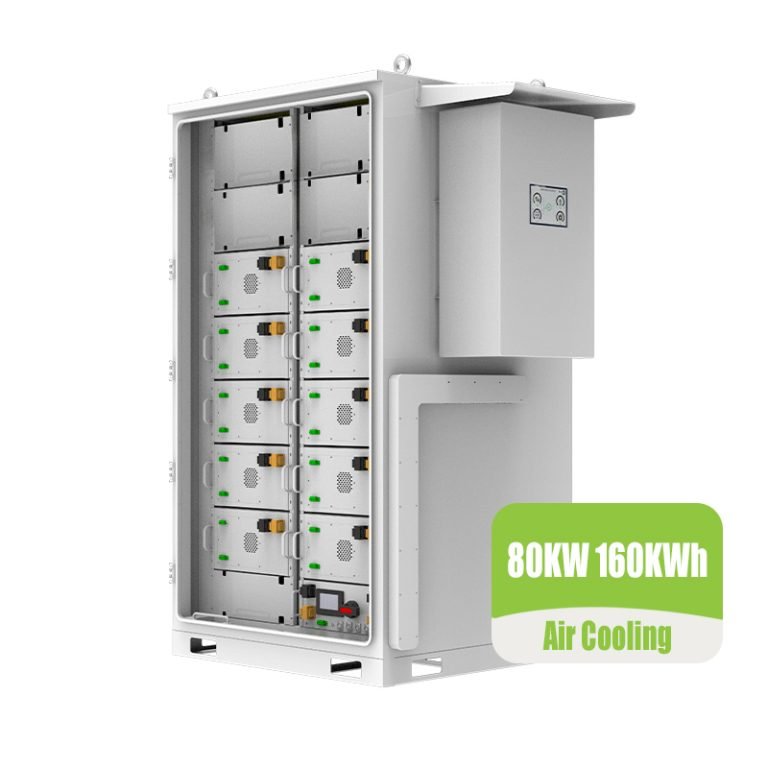
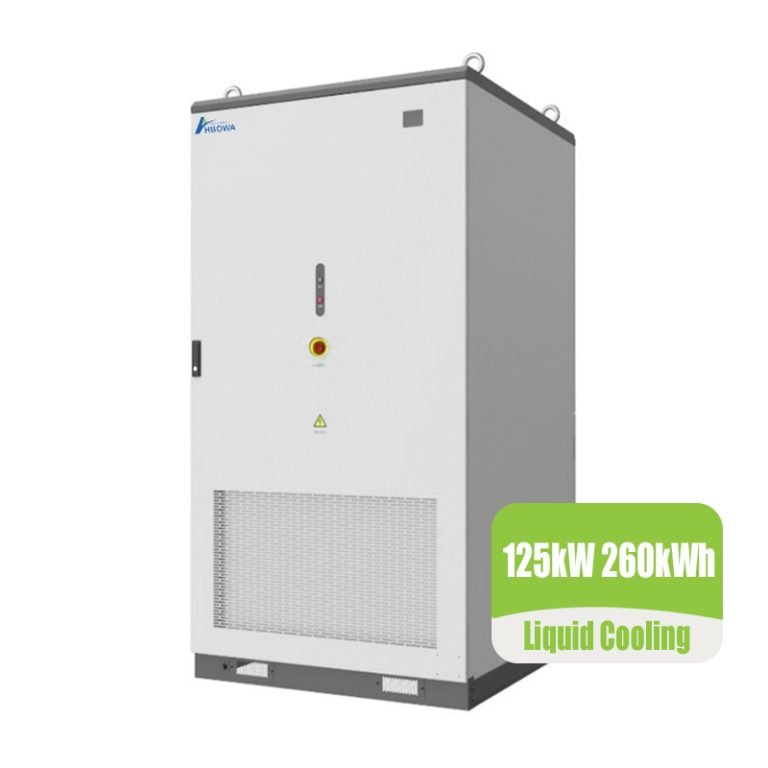
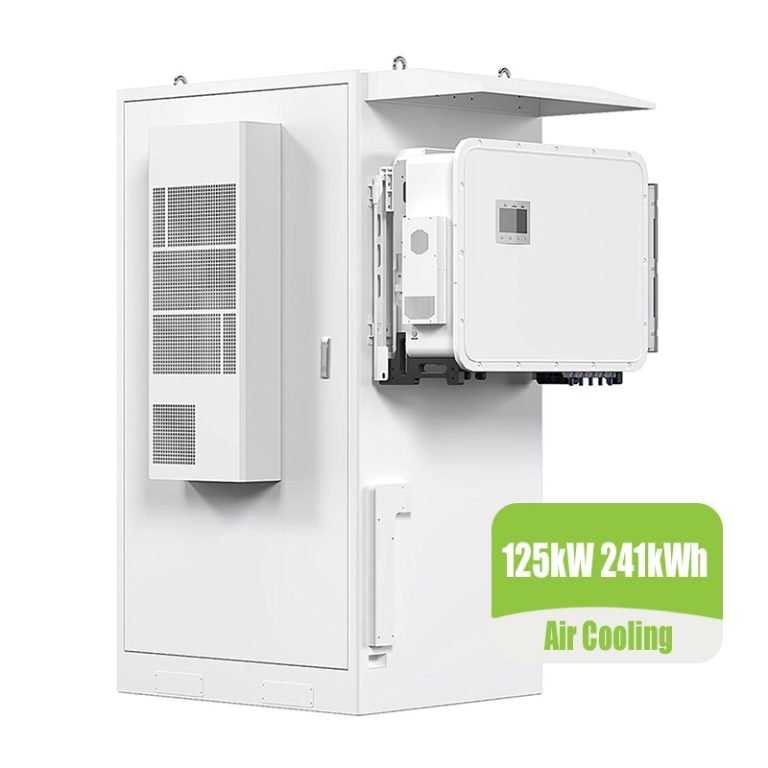
HBOWA provides battery energy storage systems and solar PVs for EPC, installers, and contractors. Our integrated cabinets can include LiFePO4 batteries, BMS, hybrid inverter, PCS, EMS, temperature control, and protection systems. The local EPCs or contractors integrate HBOWA storage cabinet with EV chargers, solar PV, transformers, switchgear, and site electrical infrastructure.
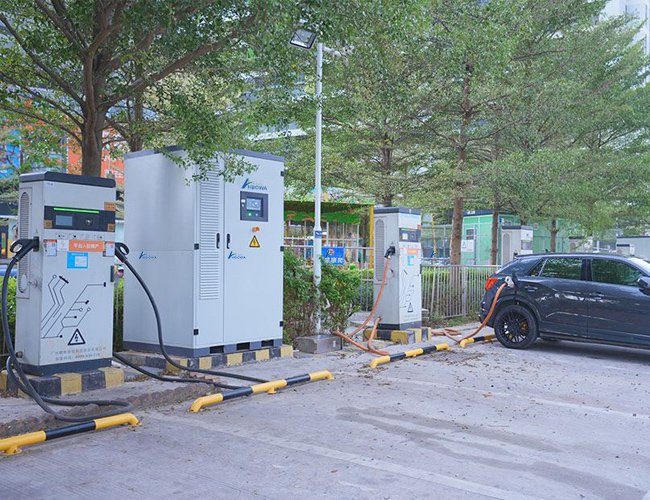
The installation of EV charging stations at commercial, public, and fleet locations is rapidly increasing electricity consumption. Many sites are facing challenges of limited electrical capacity, increasing energy costs, and the need to accommodate more fast EV charging. Battery energy storage for EV charging is a practical technology that stores energy when demand is low and supplies this energy when there is higher charging demand. Battery energy storage system for EV charging reduces strain on the utility grid, improves energy efficiency in operation and allows charging operators to increase capacity with more flexibility.
When grid or transformer capacity is limited, fewer chargers can function at the same time. By using battery storage for EV charging, extra power can be supplied during the peak period of charger use.
DC fast chargers have the potential to create large spikes in demand where multiple vehicles charge at once. Energy storage systems perform peak shaving and load balancing and ensure charging performance remains stable.
Upgrading transformers, getting utility approval, and making grid connections can add costs and delays to the deployment of EV charging infrastructure. Battery energy storages for EV scale up the system faster.
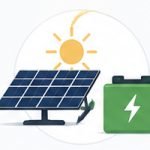
The electricity generated by solar photovoltaic systems is greatest during the daytime, whilst EV charging demand typically occurs later in the evening or at varied times throughout the day.
A system consisting of a photovoltaic (PV) energy generator, an energy storage system (ESS) and an electric vehicle (EV) charging system that integrates to manage electricity from various energy sources to ensure a reliable electricity supply and efficiency in charging EVs. The system incorporates a solar PV system, battery energy storage system (BESS), Energy Management System (EMS), utility grid, and EV charging stations to automatically balance the energy supply and demand for charging during the day.
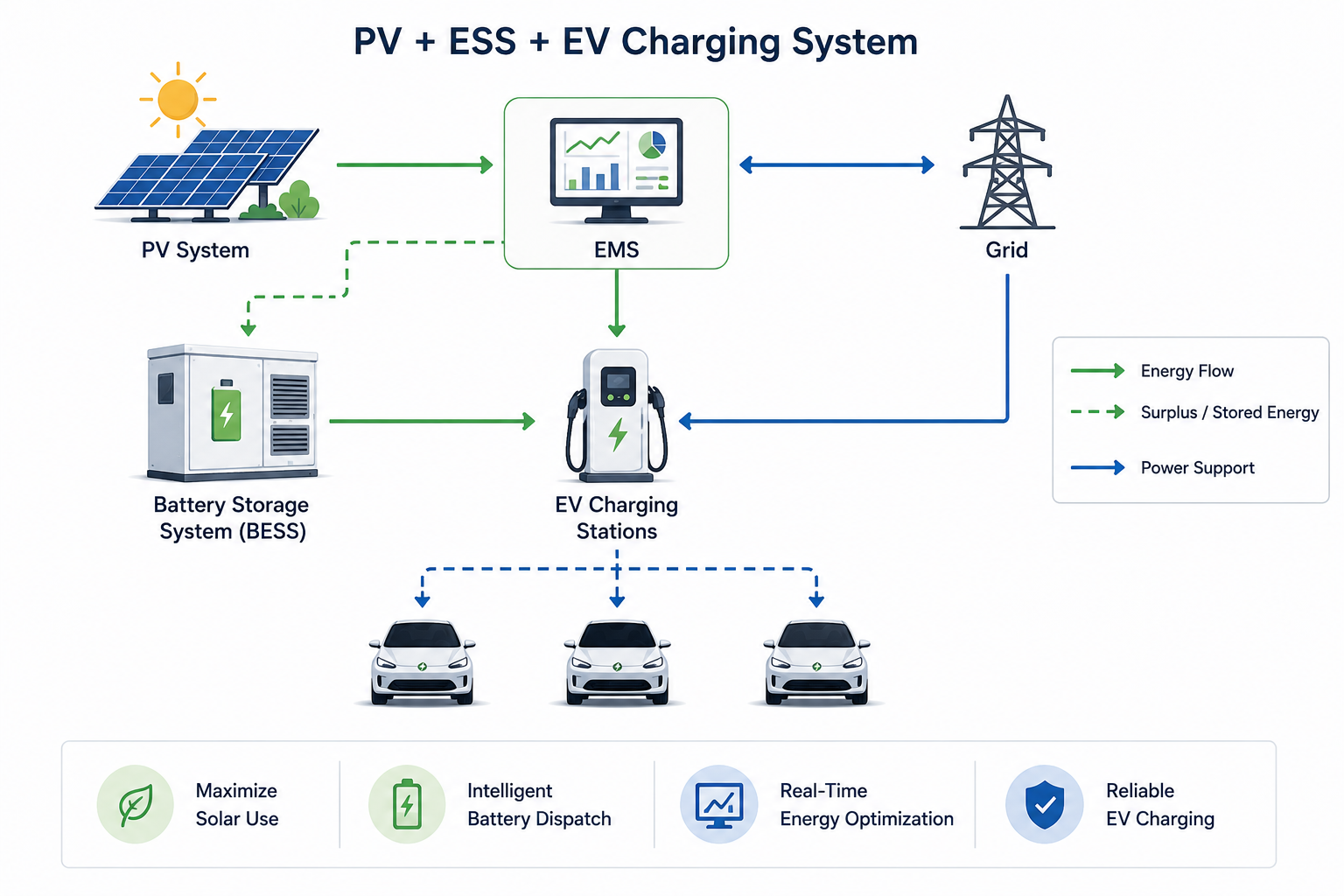
The energy source changes automatically depending on operating conditions.
| Priority | Preferred Energy Source | Purpose |
|---|---|---|
| 1 | Solar PV |
|
| 2 | Battery Energy Storage System (BESS) |
|
| 3 | Utility Grid |
|
A battery energy storage system (BESS) is not just about energy storage. It is also about improving the operation of commercial EV charging infrastructure by optimizing the distribution of power to consumers with ever-increasing charging demand and making better use of available energy.
Reduces electricity demand during charging peaks and helps control operating costs.
Supplies additional power when multiple DC fast chargers operate simultaneously.
Stores excess solar PV generation for later EV charging, increasing renewable energy use.
Reduces stress on existing transformers and available grid capacity.
Maintains stable charger operation during temporary grid fluctuations.
Supports future charger expansion without immediate electrical upgrades.
Battery energy storage offers great flexibility to commercial and industrial charging projects to charge EVs. It is especially useful in areas where the grid is already at capacity, charging demand varies throughout the day, or renewables are part of the power strategy for the site. Operators can improve charging performance via a battery energy storage system (BESS) and intelligent energy management and support future expansion.
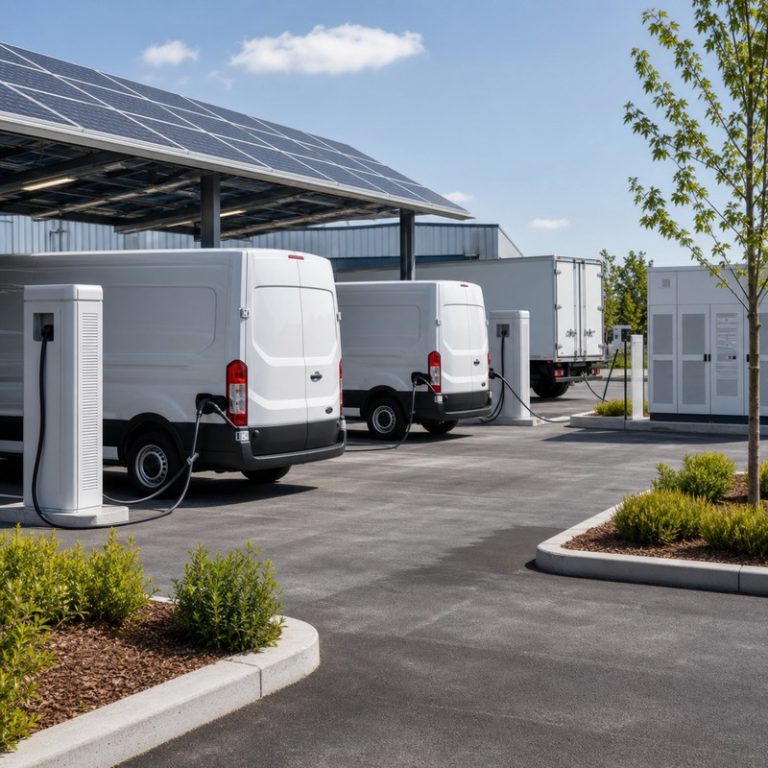
Supports simultaneous charging for buses, trucks, and delivery fleets while managing high power demand.
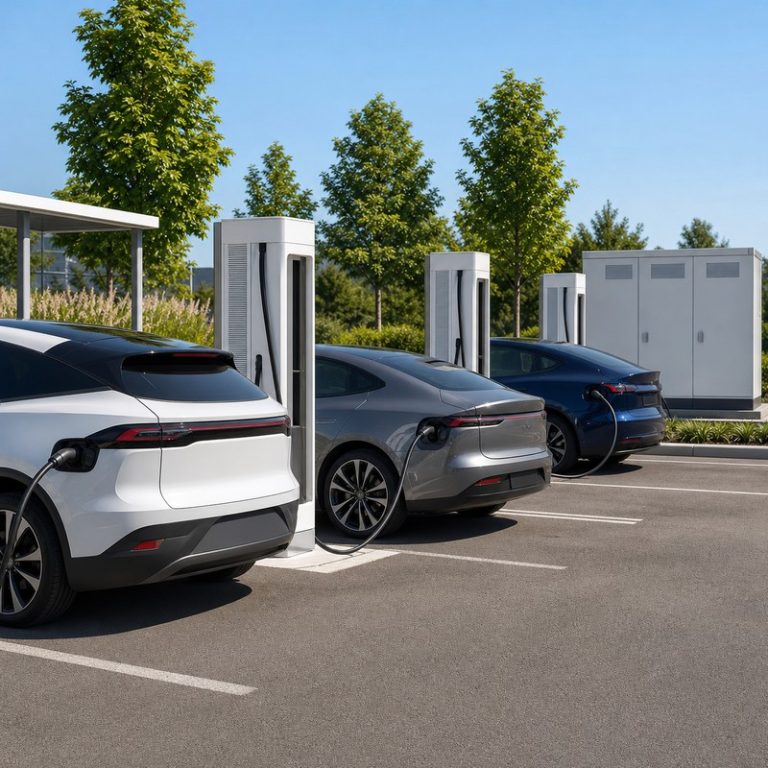
Provides additional power during peak charging periods and reduces dependence on immediate grid upgrades.
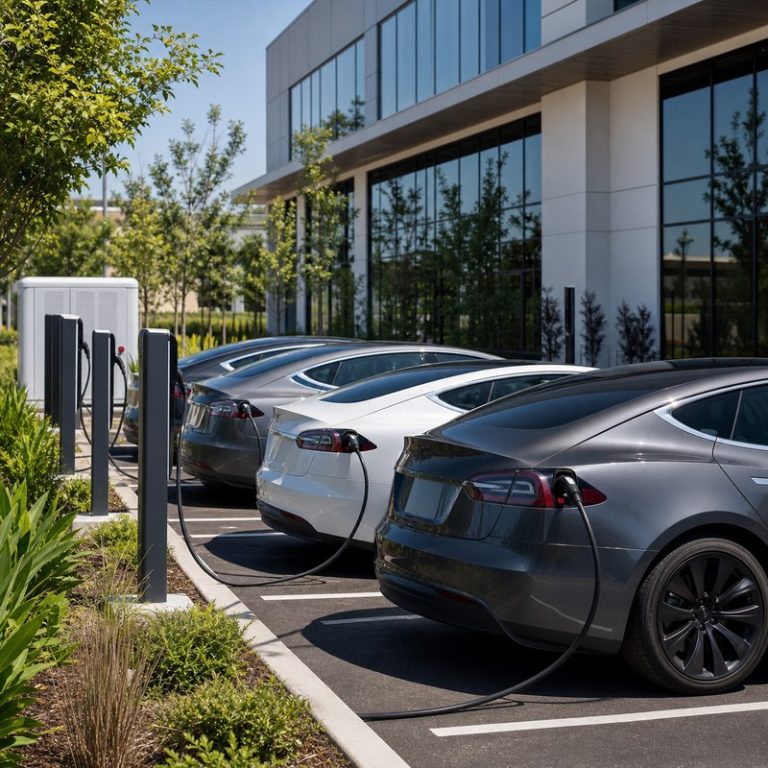
Enables employee and visitor charging without exceeding available transformer or grid capacity.
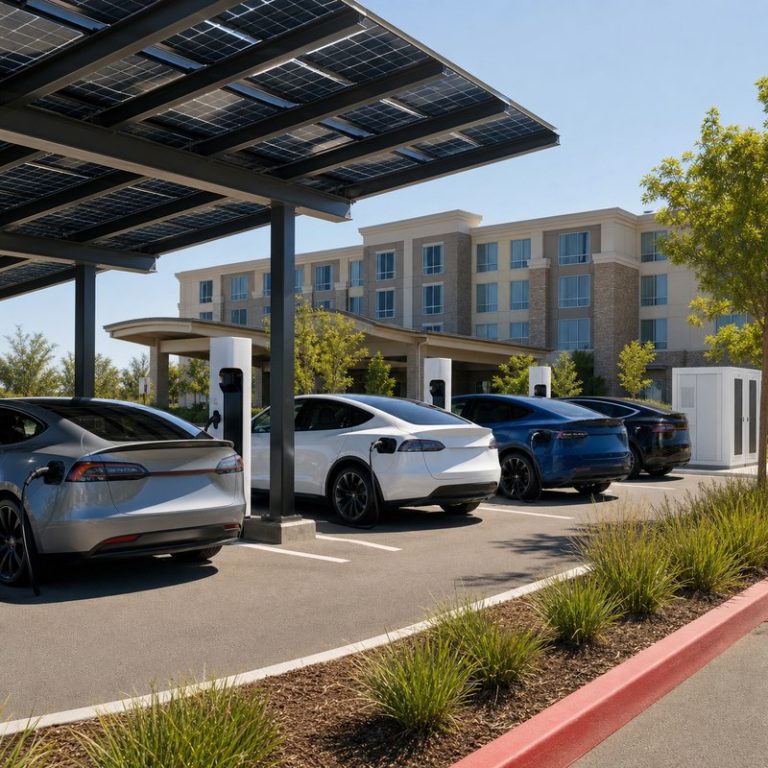
Supports customer charging while maximizing the use of solar PV and on-site energy resources.
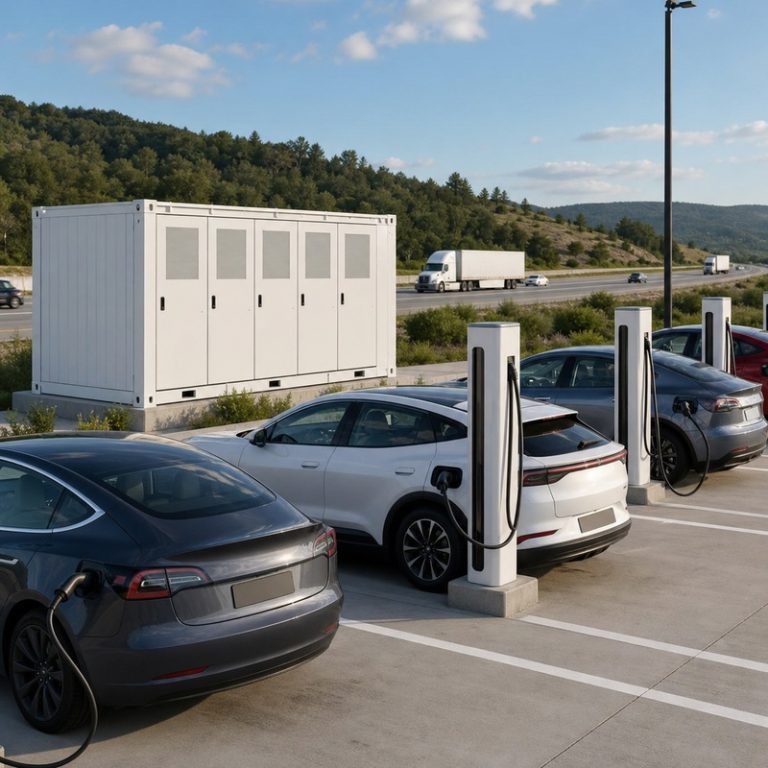
Maintains reliable charging performance at high-traffic locations with changing charging demand.
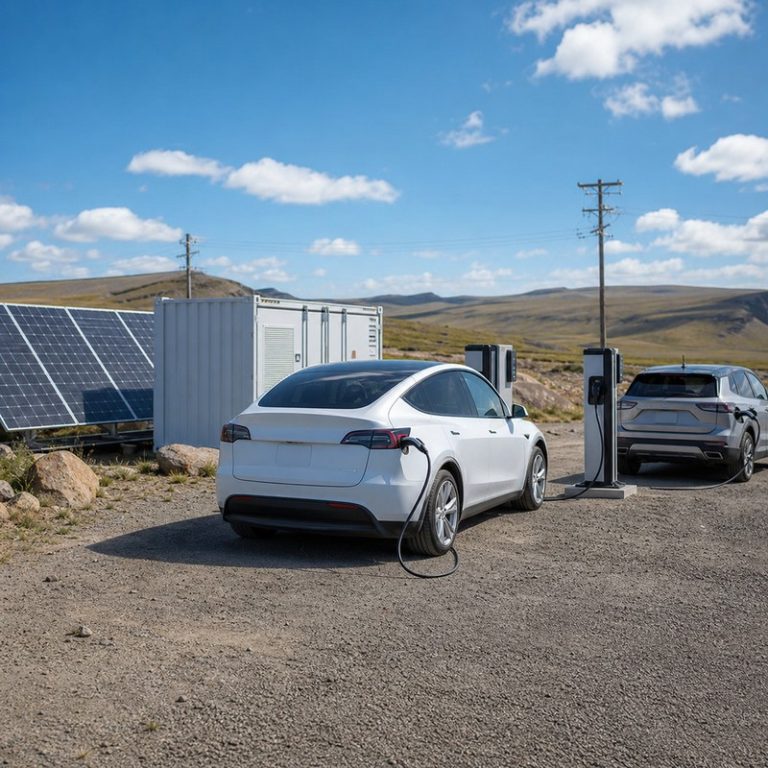
Combines battery storage, solar generation, and grid or generator support to provide dependable charging.
See how HBOWA supports EPCs and EV charging contractors by supplying an all-in-one energy storage cabinet, while the contractor completes charger integration, transformer connection and on-site installation.
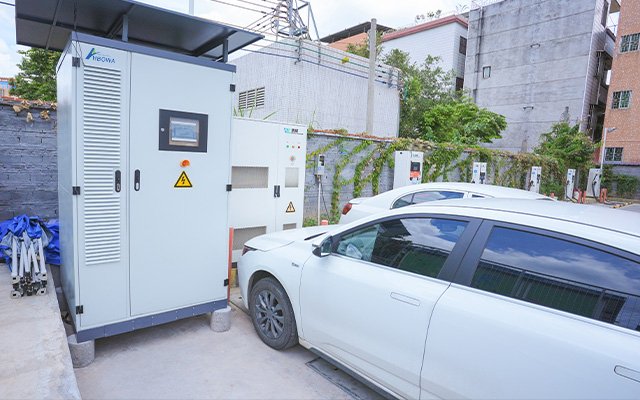
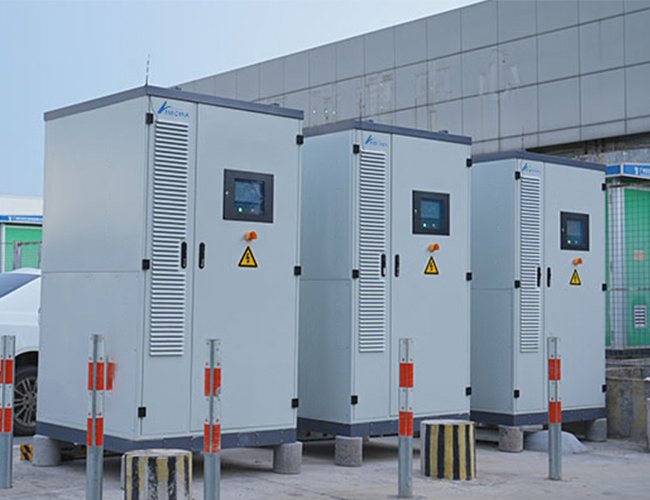
Southeast Asia
HBOWA provides the all-in-one energy storage cabinet, including the integrated battery system, PCS, EMS, BMS, thermal management and protection system. The cabinet is factory assembled and tested before delivery, with remote technical support available for commissioning.
The contractor handles the site-side scope, including EV charger installation, transformer connection, switchgear integration, cable laying, electrical construction and project commissioning. This cooperation model allows HBOWA to focus on the energy storage cabinet supply while the EPC completes the full charging-site integration.
Starting an EV charging energy storage project does not require a complete system design from the EPC. Share the basic charging and site information with HBOWA, and our engineering team will configure the appropriate all-in-one energy storage cabinet for your project.
Provide the charger power and quantity, available transformer or grid capacity, solar PV information and the main operating goal of the project.
HBOWA recommends the suitable cabinet power, battery capacity, PCS configuration and EMS operating strategy based on the project data.
The EPC reviews the system configuration, electrical interfaces, installation requirements, supply scope, quotation and delivery plan.
HBOWA assembles and tests the energy storage cabinet before shipment. The EPC completes site installation, while HBOWA provides commissioning and after-sales technical support.
Definitely A battery energy storage system is capable of storing energy when prices are low or excess energy from solar PV systems and can discharge at peak times. Lowering demand charges allows for direct savings by reducing peak demand and enhancing energy efficiency at EV charging sites.
Affirmative. A solution involving a photovoltaic system, energy storage system, and electric vehicle charging unit is capable of storing excess solar generation in the battery and deploying it later to charge electric vehicles. This enhances the use of green energy and strengthens self-consumption while reducing grid dependence.
The size of the battery will depend on how many chargers you will have, charger power ratings, your daily consumption of energy, grid capacity available, solar generation, backup time needed and future expansion. A site assessment identifies the ideal battery energy storage system used for the charging of EVs.
Battery energy storage for EV charging is used in many projects such as:
Battery energy storage refers to the use of a battery energy storage system (BESS) to capture electricity from the grid, solar energy and others. Additionally, this electricity is made available for charging purposes at EV stations. The smart Charging solution aims to control demand, optimize energy usage and ensure efficiency.
Sites that deploy multiple dc fast chargers are likely to experience a significant electricity demand during peak hours. The EV battery storage charging takes additional power when chargers are charging in peak periods. It helps busy operators better manage energy demand and availability and properly utilise existing electricity infrastructure.
Yes. HBOWA creates and produces scalable battery energy storage solutions for electric vehicle charging infrastructure designed for enterprises and industries. The engineering team collaborates with respective EPC contractors, charging network operators, and system integrators to recommend system configurations based on the site load profile, charger capacity, available electrical infrastructure, and future expansion requirements.