Introduction
A key component of modern solar energy systems is the hybrid solar power inverter. Combining the benefits of both on-grid and off-grid solutions, this component allows users to draw power from the solar panels, store excess energy in batteries, and switch between different power sources when the need arises. A common question that many users have is, can a hybrid inverter work without a grid? Whether it works depends on how it is configured, whether it is supported by batteries, and how energy is managed by its hybrid features. The article discusses how hybrid inverters work without grid power, their reliance on batteries, and whether a solar power system without a battery can still operate effectively.
What Is a Hybrid Inverter?
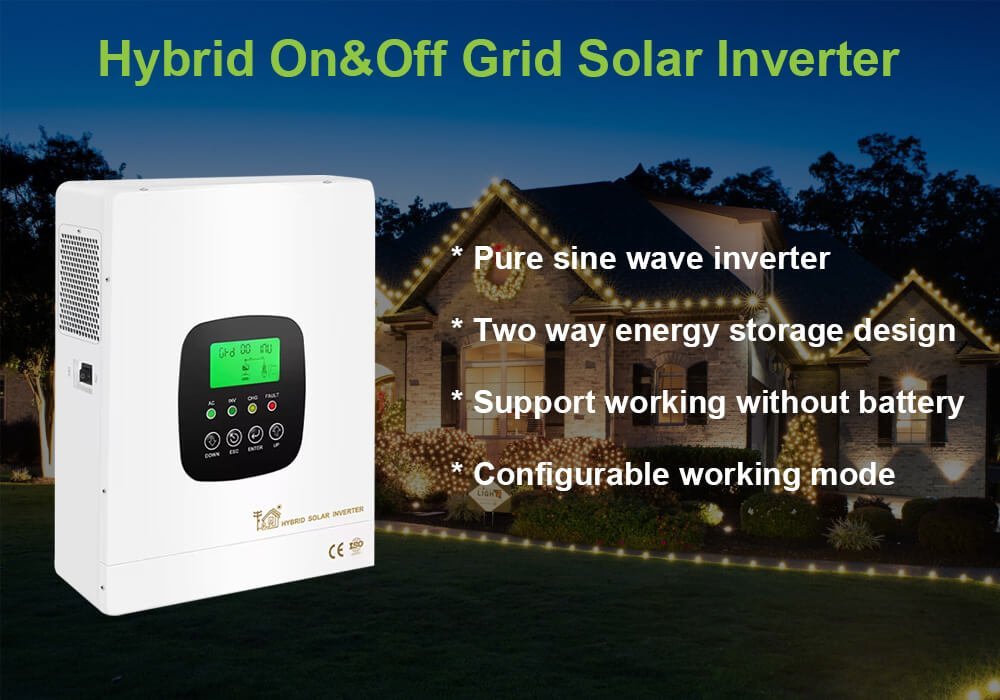
The solar hybrid inverter is an advanced energy management device combining the facilities of the on-grid inverters and the off-grid inverters. The primary feature of the solar panel hybrid inverter is to manage both the on-grid and off-grid solar panels effectively. Using the controlled electric switchgear systems, a solar panel hybrid inverter smoothly switches to the alternate source of electricity, when the primary source is unavailable. The solar panel hybrid inverter can draw directly from the solar panels and send back the additional electricity to the grid, while sending the power, which is finally needed for the appliances, to the battery bank.
The system of the solar panel hybrid inverter is designed to store energy to the battery bank, of the solar panel hybrid inverter. The solar panels are capable of providing additional energy at a safe rate, which is then sold to the grid, while the electrical grid provides the additional energy when required.
How Does a Hybrid Inverter Work?
A hybrid inverter is designed to manage multiple power sources. It helps you make the most out of the energy sources available and also checks when power usage is most when power storage is maximum and when production is happening more. According to this info, it uses the power sources available and changes the mode according to the need and demand of power. There are three different modes namely on-grid, off-grid, and hybrid mode.
On-Grid Mode:
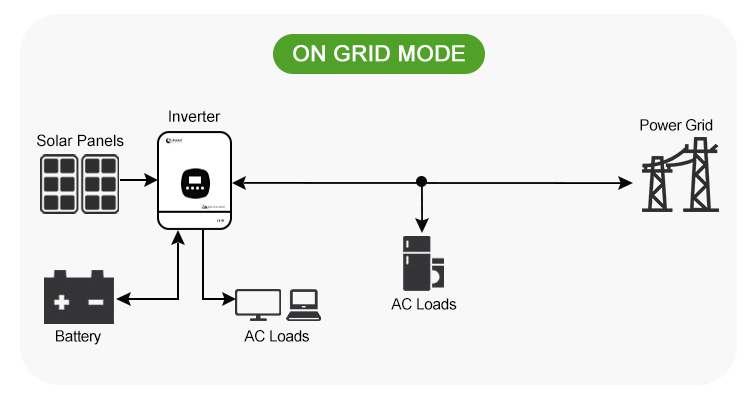
The on grid solar inverter converts solar energy into power which can be used for power supplying of a house. The sun in broad daylight which is solar energy is stored as DC power. The solar panels produce DC power in the daytime when the sun shines bright. So the power is stored in a battery or used for powering a house. The tools or setups used to convert solar energy into usable DC power in the solar panels and solar hybrid inverters that convert the DC power stored into the solar batteries which is converted into usable AC power.
Off-Grid Mode:
So the main question is what is an off grid hybrid solar inverter mode, in the daytime when solar energy is being produced a solar inverter is used for converting the solar energy stored into solar batteries. Then the power is stored in the solar batteries are used at night time or feeding power to the essentials when the sun is behind the clouds. Solar power is used when your home has solar energy stored in the batteries.

Hybrid Mode:
In hybrid mode, the off grid hybrid solar inverter intelligently switches between solar, battery, and grid power. It prioritizes solar energy, using stored battery power when sunlight is unavailable. If battery reserves are low, the inverter draws electricity from the grid to maintain supply.

Can a Hybrid Inverter Work Without the Grid?
The hybrid inverter can operate with or without a grid connection based on the configuration and energy sources that are being used by the inverter. The efficiency of a hybrid inverter to work without a grid connection depends on the alternative power supply that the inverter uses, i.e., the solar panels and the battery storage.
When a hybrid inverter operates with the grid, then the inverter uses solar power as well as the utility grid. In case the grid fails, and if there are no backup energy storages available then the inverter shuts down to prevent the power from passing to the grid. However, in an off grid hybrid solar inverter system, the inverter works independently using the solar panels to support itself and the extra power produced by the solar panels are stored in the batteries that can be utilized in times of night and cloudy weather.
Off grid solar inverter is necessary for areas that do not have grid access or if there are frequent power cuts. The inverter requires electricity stored in batteries in case of emergencies. Without battery backups, in an off grid system, a hybrid inverter can only work in the day time till the energy produced during the day is enough to operate.
In comparing and contrast grid dependent and fully off-grid hybrid inverters and solar chargers, the following points are below:
- A grid-dependent hybrid inverter mainly uses solar power during the day and switches to the battery at night, and the grid is used as a backup.
- In contrast, a fully off grid solar inverter has to generate enough power, and using the batteries is a must, which means battery capacity is critical.
- A hybrid solar inverter and charger to work in the off-grid solar panel system required a larger battery bank and high-end solar panel power.
Can a Hybrid Inverter Work Without Both Grid and Battery?
Hybrid inverters are designed to handle more than one power source, but whether it can work without both grid and battery or not depends on the inverter model and configuration of the system. Some of the advanced off-grid inverters can work using only solar panels and no battery at all.
For an alternative scenario, we can consider a remote cabin without access to an electrical grid. The cabin contains a solar electric or photovoltaic (PV) system to light the floor on which buildings are built. However, the system doesn’t have any batteries which is used for storing the electrical energy and releasing it when necessary.
Thus, an off-grid system is the basic type of solar inverter. A solar inverter or PV inverter is a type of electrical reverse. Some of the hybrid inverters have an inverter mode where it can directly supply the power from solar panels and no need of a battery, or grid. An inverter system fulfills the needs and demands of the appliances and at the same time produces electricity with the intensity of the sun.
It is more convenient to set up solar power or renewable energy in a cabin nearby an electric grid. These inverters do not have an option to ground the grid. Non-ground-gridable inverters give the option to connect an output to a grounded circuit.
Case Studies: Real-World Applications of Hybrid Inverters
Rural Home in Africa: Reliable Power with an Off-Grid Hybrid Solar Inverter
In rural regions where people do not have access to the grid, a hybrid inverter is of utmost necessity. In a rural home in Africa, a family has installed an off-grid hybrid solar inverter along with solar batteries and solar panels to run electrical appliances in the house. With such a system, one can expect electricity to be available all through the day, even if it is cloudy. Since the excess energy gets stored in the battery, the inverter can be used without dependence on the grid. Such a system will provide power stably without much requirement of diesel generators and other expenses.

European Residential Solar System: Cost Savings with a Hybrid Inverter Grid Tie
German homeowner put a hybrid inverter grid tie unit that can utilize the maximum amount of electric energy for the household solar power grid. This is how the homeowner saved electricity bill largely. Moreover, it ties to the grid and sells energy to the German government by paying credits. The same system makes the hybrid inverter on grid, switch between battery power and the current from the grid, during peak hours of power usage and decreases power usage from electrical companies that charge too much.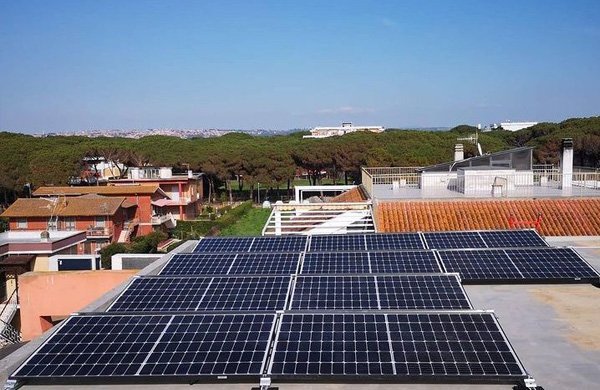
Small Business with Frequent Power Outages: Backup with a Hybrid Inverter On Grid
A retail store in the Indian region frequently experiences power failure which has led to the loss of revenue and damages to the business. This was highly dangerous for business. In order to ensure a continuous power supply at all times, the store used the hybrid inverter on grid system along with backup batteries. For instance, when the electricity flows correctly, it helps in switching between solar power and grid power. The power cut is detected at that time causing the battery to switch without any issuing command.
The switching part does not allow the minimum amount of power cut to occur such that it helps in detecting the power failure. This system can allow the customers to shop for long without any electricity failure.
Best Hybrid Inverters for Off-Grid Use
Selecting an appropriate off-grid hybrid solar inverter is important to achieve energy self-sufficiency and uninterrupted power supply. The top models offer high efficiency and efficient battery integration and power management. Some of the most popular brands that supply the best off-grid solar inverters include Growatt and Deye. These inverters work perfectly to give stable performance at remote locations.
Growatt’s off-grid series inverter allows you to use lithium or lead-acid batteries according to your choice. Deye’s hybrid inverters help you track MPPT that can maximize solar power conversion in all conditions.
If you are looking for an inverter for grid-tied applications, make sure to go for the hybrid inverter on grid models. A hybrid inverter off grid is the appropriate choice for an off-grid system. Some of the key factors that you must consider while choosing off-grid hybrid solar inverter include;
- Battery voltage ratings
- Load capacity of the inverter
An inverter that is more than 95% efficient can convert more and more solar power into electricity to use and hence waste less energy.
Related Products:
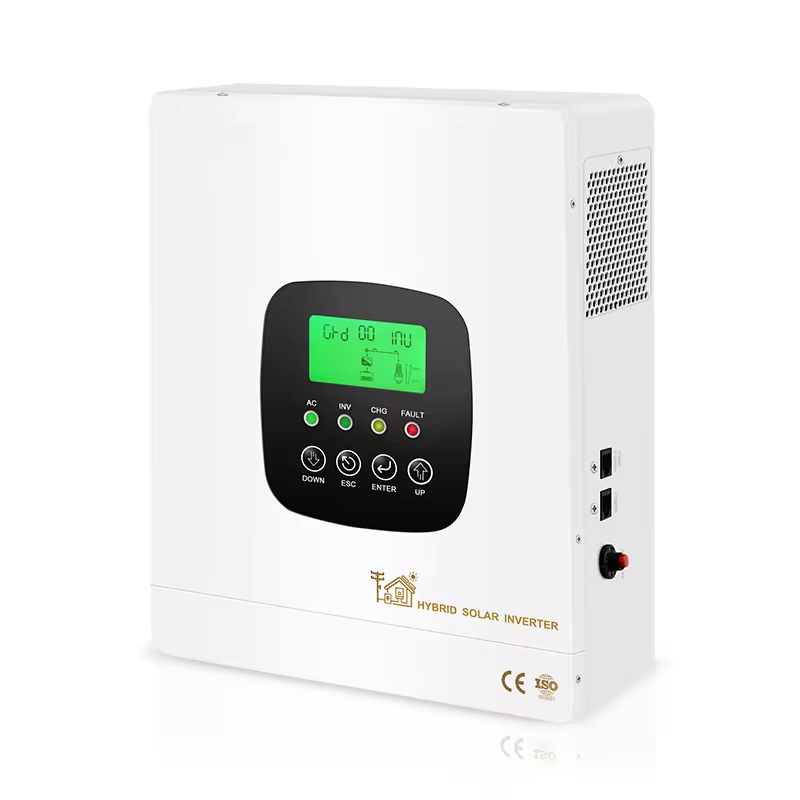
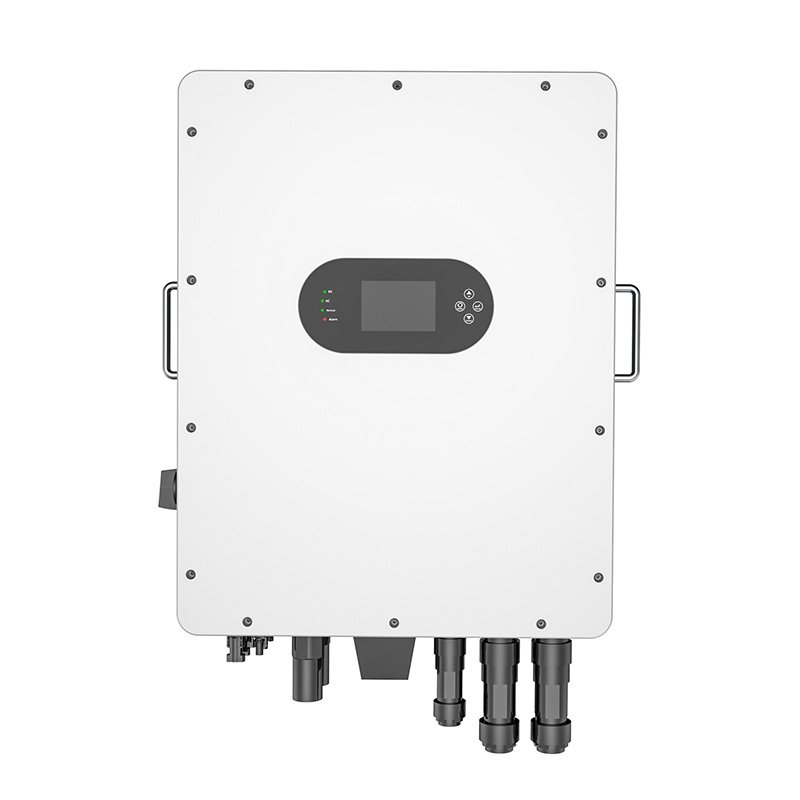
Single Phase Hybrid Solar Inverter 10KW | Three Phase Hybrid Solar Inverter 10KW |
 |  |
Pros and Cons of Using a Hybrid Inverter Without Grid
Hybrid inverter on grid has plenty of advantages and is highly efficient when considering overall cost. Although working without any grid-connected offers some unique benefits and at the same time, some challenges to face. Solar inverter off grid offer independence in energy use in that one can rely fully on the sun for the source of energy.
One of the most significant advantages of the solar inverter off grid is users can be free from paying bills. The user can generate their energy smoothly when planned efficiently, thus reducing overall cost over a long period.
Another advantage is maximum use of renewable energy and minimum carbon emission, which is essential to reducing global warming and to be sustainable. This kind of inverter is highly recommended for use in a place where grid use is vague or not at all.
The central cost to have these kinds of inverters is to buy a battery that is suitable to store the energy and also installation charge. Unlike hybrid inverter on a grid, which can take electricity when needed, off-grid inverter is entirely on battery, so the power generated is dependent on the ongoing charge and sunlight this day. Frequently, when in use, batteries may demand maintenance; also, with time, batteries tend to degrade, requiring replacement soon.
So, can a hybrid inverter work without grid? Yes, hybrid inverters can work without a grid but require the right amount of energy stored. Using hybrid inverters aids in easy installation and as well as to be independent and sustainable. As hybrid inverters are free from any power cut, one needs to spend some penny in the primary stage and also spend for the maintenance occasionally whenever necessary to provide continuous current.
How to Choose the Right Hybrid Inverter for Off-Grid Use
For off grid use, the search for a solar inverter is completely different than grid-linked inverter selection. It requires proper evaluation and matchings of power needs, battery attributes, and battery size. Unless these are guaranteed, you can’t expect an inverter to work effectively.
Compatibility with the battery is a crucial factor. As off-grid inverters won’t have the luxury of grid assistance, these need to take care of the energy storage to its full capacity. Preferably, a lithium-ion LiFePO4 battery is a better option. These types have a really long lifespan compared to others. Moreover, they are quite efficient. The inverter should support the battery type you have chosen and convert solar energy effectively, even if the energy needs to be extracted from the battery.
The inverter should be chosen based on the size of the solar panels you choose (total energy consumption) rather than the power your house consumes. The power is generally measured in kWh. An off-grid solar inverter must be chosen in such a manner that it should weigh more than the power that a house consumes during peak loads. Investing in an oversized inverter is an unnecessary expense.
An efficient solar off-grid inverter will increase the power production of the overall system. MPPT (Maximum Power Point Tracking) solar charge controller or inverter is a good option as it ensures a proper conversion of solar energy. So, depending on the number of consumers for the solar panels, the available sunlight can be correctly used and stored in the battery. Hence, with proper and efficient conversion, one won’t need huge battery banks to live off the grid.
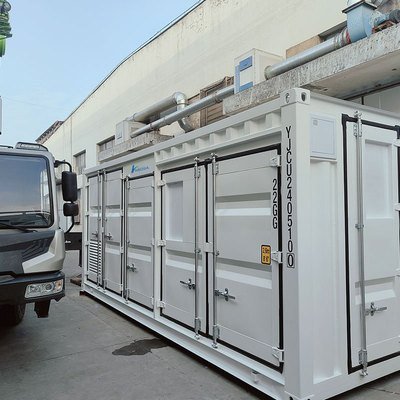
For off-grid commercial projects, an outdoor battery storage cabinet can provide the storage subsystem, but its voltage, power, capacity, and inverter interface must be matched to the project.
Conclusion
A solar power hybrid inverter can work without a grid, using the stored power in the battery, and system design. The off-grid solar inverter works without any grid and uses only the solar panels and batteries. There are solar inverter hybrid types that can operate even without both grid and batteries but, only in case of enough sunlight. One must choose the right kind of inverter and the battery association, to maintain the power. For people seeking independence in the field of energy, knowing how solar inverter off-grid works, helps in making a power storage that is reliable and efficient for the need of energy.