Formula: kWh = kW × Hours
A KW to KWH Conversion Calculator that converts kW, which is kilowatt to kWh, which is kilowatt hour, which is energy. The calculation is done to determine the amount of electrical energy consumed by a device when in operation for a specified duration. It is often used for estimating appliances, solar systems, etc. When you enter the power rating in kW, and the operating time in Hrs, the calculator shows the total energy consumed in kWh, the unit used in electricity bills and energy monitoring systems.
Formula & Variable Relationship
Power vs Energy — What’s the Difference?
Kilowatts (kW)
The rate of electricity use at any given moment. Like the speed of a car — it tells you how fast, not how far.
Instantaneous measurement
kW = Power
Kilowatt-hours (kWh)
The total energy consumed over time. Like the distance a car travels — it depends on speed and duration.
Cumulative over time
kWh = Energy used
The link: kWh = kW × Hours | A 2 kW heater running for 3 hours uses 6 kWh — the unit on your electricity bill.

The kilowatt and kilowatt-hour relationship is the difference between power and energy in electrical systems. The amount of kW used or generated at any given moment is known as kilowatts. On the other hand, the total amount of energy consumed over time is referred to as kilowatt-hours. If the device is being used at the same power level, then its energy depends on the duration through which power is used. For instance, at one kilowatt for one hour, the consumption of one kilowatt-hour energy will take place, and the same relationship analogously pertains to appliances or industrial machines, heating systems, and renewable energy systems such as solar installations, where the total rather than instantaneous electricity produced is measured in kilowatt-hours.
Example Calculation
Imagine a home electric heater of 2.4 kW rating that was turned on for 3.5 hour period on a cold evening.

This is the value that would appear on an energy meter/electricity bill. When homeowners and engineers understand this relationship, they can estimate energy consumption, assess operating costs, and plan energy usage.
When to Use This Calculator
The KW to KWH calculator is a practical tool that allows for estimating the consumption of electrical energy of equipment over time. The energy ratings of many appliances and electrical devices are measured in kilowatts, but the amount of energy they use on an electricity bill is reported in kilowatt-hours. When power is converted to energy, users understand the true effect when energizing an appliance.
When to Use the kW to kWh Calculator
Home Appliances
Estimate daily or monthly energy usage of heaters, air conditioners, ovens, and other household devices to understand electricity costs.
Heaters · AC · Ovens
Solar System Design
Convert a panel’s kW peak rating into expected daily kWh output to match solar generation against household energy demand.
PV panels · Energy yield
Industrial Equipment
Analyse compressors, motors, and HVAC systems to estimate operating costs and identify energy efficiency opportunities.
Compressors · Motors · HVAC
Energy Billing
kWh is the unit on electricity bills. Converting from kW lets you forecast costs before running high-power equipment.
Utility bills · Cost planning
Rule of thumb: Whenever you know a device’s wattage and how long it runs, multiply kW × hours to get the kWh on your bill.
A conversion homeowners use when estimating the energy consumption of appliances, included ACs, computers, washing machines, heaters, TVs/LCDs, or electric ovens. Multiplying the appliance’s power rating by the number of hours it runs gives a good estimate of how much electricity the appliance uses daily or monthly.
When estimating electricity production by a solar installation, solar system designers also convert kilowatts to kilowatt-hours. Solar panels are usually rated in kilowatts of peak power output, while the energy produced during a day or month is measured in kilowatt-hours. Conversion of these units enables system designers to estimate energy production and match it with the energy demand of houses.
Engineers and facility managers may further carry out this calculation, e.g., for assessing energy consumption of industrial equipment, and understanding backup generator and energy storage performance.
Reference Table (Typical Values)
The table below indicates standard conversions of KW to KWH at various power ratings and run times.
kW to kWh — Typical Values at a Glance
SMALL APPLIANCES & ELECTRONICS (BELOW 1 kW)
RESIDENTIAL HEATING, COOLING & KITCHEN (1–4 kW)
INDUSTRIAL & COMMERCIAL EQUIPMENT (5 kW+)
Small appliances (<1 kW)
Residential / medium (1–4 kW)
Industrial / large (5 kW+)
Key Insight: A moderate-power device running for long periods can consume more energy than a high-power device used briefly.
| Power (kW) | Operating Time (Hours) | Energy (kWh) |
| 0.35 | 6 | 2.10 |
| 0.48 | 3.5 | 1.68 |
| 0.75 | 4 | 3.00 |
| 0.92 | 2.5 | 2.30 |
| 1.20 | 3 | 3.60 |
| 1.45 | 5 | 7.25 |
| 1.80 | 5 | 9.00 |
| 2.05 | 2.5 | 5.13 |
| 2.25 | 4 | 9.00 |
| 2.80 | 3.2 | 8.96 |
| 3.00 | 2.5 | 7.50 |
| 3.40 | 6 | 20.40 |
| 4.10 | 3 | 12.30 |
| 4.50 | 3 | 13.50 |
| 5.20 | 4 | 20.80 |
| 5.75 | 4 | 23.00 |
| 6.20 | 2 | 12.40 |
| 6.85 | 3.5 | 23.98 |
| 7.80 | 3 | 23.40 |
| 8.40 | 2.8 | 23.52 |
| 9.60 | 4 | 38.40 |
| 10.50 | 1.5 | 15.75 |
| 12.30 | 3 | 36.90 |
| 15.80 | 2 | 31.60 |
These values are consistent with the actual energy consumption of electricity systems. Most small appliances like networking devices, lighting systems, and electronic devices typically operate below one kilowatt. Medium electrical equipment has a load range of two to six kilowatt refrigerator and compressor, and a heating-system(house). Larger devices, such as HVAC equipment(commercial), motors(industrial), and EV-charging stations, can run at much higher power levels because, despite its moderate power ratings, a device can consume a lot of energy if it can run for a long time. On the contrary, high-power machines may use low energy with short spans of time usage.
Reference tables furnish a convenient method for estimating KW to KWH conversion values when estimating electrical loads or comparing equipment energy consumption. Nonetheless, for accurate energy forecasting or utility cost estimation, load calculations must always be made using the actual power rating and operating time of the equipment.
Turn Your Calculated kWh Into a Storage System Plan
Your calculated kWh estimates how much energy a load uses over the selected operating time. Use it as a starting point to compare an onsite C&I storage cabinet, a complete hybrid solar system, or a broader battery energy storage solution.
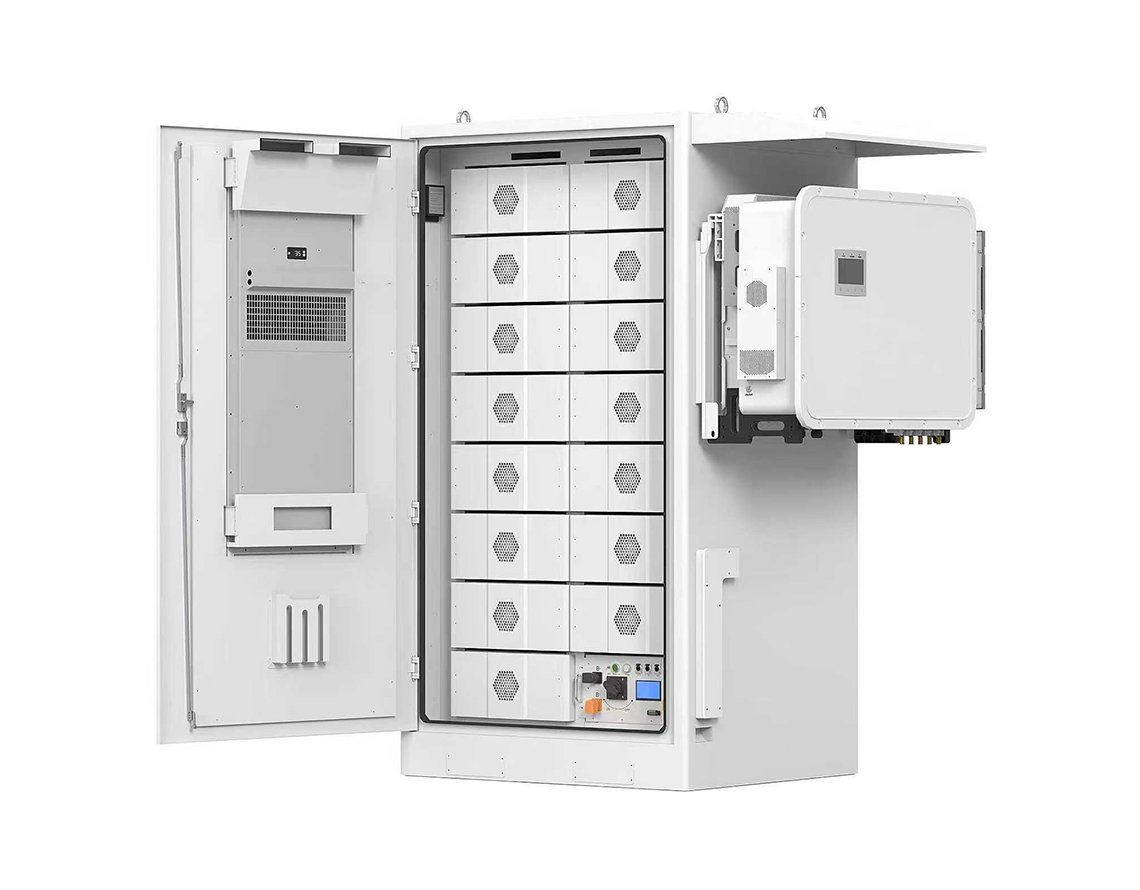
Energy Storage Cabinet
For commercial sites that need onsite storage sized around daily consumption, peak load, and required backup time.

Hybrid Solar System
For homes, businesses, and off-grid projects that combine solar generation, inverter power, and battery storage.
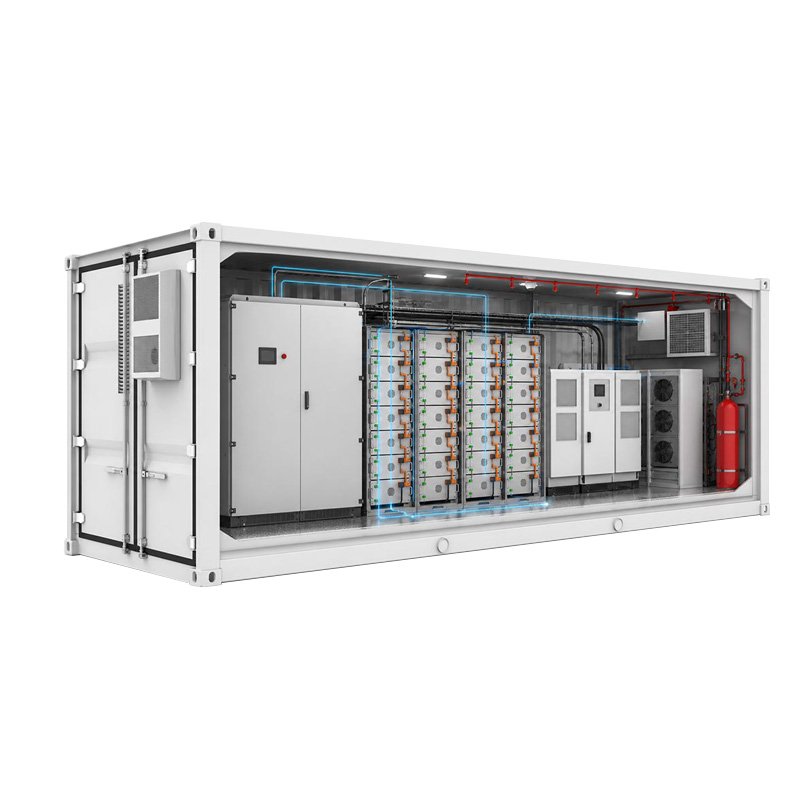
Battery Energy Storage System
For broader projects that require system-level planning around load profile, energy demand, backup duration, and site conditions.
Accuracy & Limitations
The KW to KWH conversion assumes that the device operates at a constant power level throughout the whole operating period. In reality, the load consumption is due to factors like changing load conditions, control cycles, and the environment. For example, machines like AC(compressors), refrigerators(compressors), and other devices do not continuously operate at their rated power, but rather cycle on and off, and because of such variations, the calculated energy value should be regarded as a rough estimate of electricity consumption and not the exact figure.
System efficiency and electrical losses also impact accuracy rather negatively. Most electrical systems contain motors, inverters, transformers, power electronics, etc, which introduce losses as heat, as resistance, and by switching. Through the KW to KWH calculation, the theoretical energy use can be measured, representing rated power and time only. It does not consider any of these losses, and they will have to be evaluated in system analysis.
Real-world energy utilisation is influenced by environments and operations. Temperature shifts, varying loads, and working hours may potentially cause an item to draw more or less than its rated specification. In renewable energy systems such as solar installations, the rated kilowatt capacity is the level that can be produced under optimal conditions, whereas the energy produced in kilowatt-hours depends on the sunlight and weather conditions and the angle of the installation.
Case Study
A 5.2 kW electric compressor is used in a small trade workshop in Lisbon to operate pneumatic tools, and on average, the compressor runs for approximately 4.5 hours per day.
To estimate a daily energy use, the engineers convert the power rating into total energy.
Applying the KW to KWH conversion formula:
KWh = 5.2 x4.5 = 23.4
The compressor consumes almost 23.4 kWh of electricity.
Through this value, the workshop manager will be able to estimate operating costs at local electricity rates, and whether energy efficiency upgrades, or changing the operating schedule, may reduce electricity consumption.
Conclusion
The KW to KWH conversion calculator is a simple tool for estimating the electrical energy an equipment consumes during a period of operation. Using this calculation, engineers, technicians, and homeowners can convert instantaneous power ratings into useful energy consumption figures that help manage electrical loads and plan efficient use of energy. HBOWA provide wide variety of electric calculators and solar solutions, so contact us or visit our website for information.