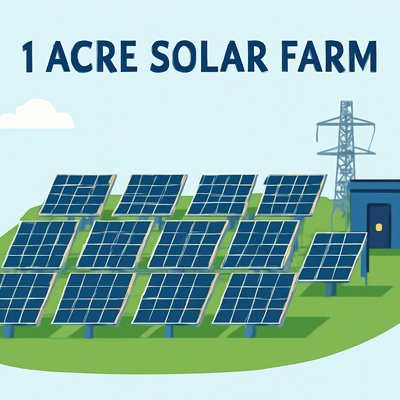
ESS Meaning : Quick Answer
ESS means energy storage system, it can store energy when the power supply is available, and release it when power is needed. In modern solar power systems, ESS is used to store energy from solar panels, wind turbines, or the grid, and supply the energy for backup power, peak shaving, load shifting, or grid support.
Introduction
ESS is a vital part of the modern energy infrastructure and stores extra energy frequently from renewable sources like solar and wind for use during high demand or low production, promoting effectiveness and reliability.
Renewable sources of power are variable. Solar energy works during the day, and wind energy relies upon the weather. This gap between the energy supply and demand is balanced using an Energy Storage System. These energy systems are efficient, suitable, and widely available with advanced technology. As the world begins to move toward a sustainable source of energy, it is essential to understand ESS.
We will discuss the concept of ESS and its components, as well as several types, practical benefits, challenges, and future opportunities in the evolving energy industries.
What Does ESS Mean?
What does ess stand for? ESS refers to an Energy Storage System. An “Energy Storage System” is a technology for storing energy and then using that same energy to ensure overall efficiency and reliability in energy systems. To put it simply, it captures, stores, and releases energy from multiple sources to ensure the optimal utility of energy.
The e.s.s meaning and its applications are becoming more accessible in industrial, commercial or even residential purposes depending on the requirement of power. Globally, ESS is used from conventional energy systems to renewable energy systems, such as, in a compact form on the rooftop of a house or in the form of a high power grid system at a large scale.

Quick Summary of ESS
| Item | Explanation |
| Full Name | Energy Storage System |
| Short Name | ESS |
| Main Function | Stores energy and releases it when needed |
| Common Energy Source | Solar panels, wind turbines, grid power, diesel generators |
| Common Storage Method | Lithium battery, LiFePO4 battery, flow battery, thermal storage, compressed air, flywheel |
| Main Components | Battery modules, BMS, PCS, EMS, cooling system, fire protection, cabinet or container |
| Common Applications | Solar storage, backup power, peak shaving, load shifting, microgrids, grid support |
| Main Users | Residential users, businesses, factories, farms, data centers, utilities |
| Commercial Benefit | Lower energy cost, better power reliability, higher solar self-consumption, reduced grid dependence |
The Core Purpose of an Energy Storage System
What is the main purpose of an ESS? At its core, an ESS system (which stands for Energy Storage System) is to help solve one of the biggest issues in energy management – the difference in energy generation and energy consumption. Energy in both renewable and non-renewable sources is often generated when we don’t need it excessively and then is utilized when the demand is high. In short, an ESS captures surplus energy, store the energy, and then supply energy when required.
Moreover, ESS is a vital part of energy storage infrastructure, especially in the renewable energy field. The most popular ESS in renewable energy is Solar ESS. Solar panels create electricity only when sunlight is available. However, solar panels generate extra energy during sunny days. This surplus energy is stored in the Energy Storage System so that it can be consumed in the days when the sky is cloudy, or at nights when energy is less available. Also, the ESS is widely used for wind-based energy too. ESS can capture energy generated during high-speed winds and supply it when there is no wind.
ESS – Energy Storage System is also necessary for maintaining the grid stability in the traditional energy industry. ESS can help in balancing the load, manage the energy demand fluctuations, store energy when the main grid is supplying electricity at the low-usage hours, and then later release the energy when the electricity demand increases.
How Does an ESS Work?
What Does ESS Work Exactly? An ESS energy storage system involves three important steps – energy capture, conversion and storage, and controlled release.
In the first stage of capturing energy, the energy is gathered from sources, such as solar panels, wind turbines or electric grid during low peak periods. In solar, for example, photovoltaic panels produce electricity during the day by converting sunlight energy into electrical energy. Likewise, wind turbines convert the energy of wind or the airflow to electric power.
Next, the captured energy has to be converted and stored in an accessible and stable form. Technologies like lithium-ion batteries convert and store the electricity very efficiently until it is required. The ESS incorporates advanced storage technologies that have high energy density and longevity in order to make the energy to be convertible to several applications, such as for homes, businesses and even for large industrial applications.
The last step is to release and manage the stored energy safely using inverters and battery management system. Inverters convert stored direct current (DC) to alternating current (AC) in order to supply energy in homes, businesses or into the power grid. ESS control system delivers the power efficiently and safely. It monitors various parameters while delivering such as the voltage, temperature, and current demand. It also calculates an optimized charging and discharging process to cause less damage to the battery and its optimum performance.


Types of Energy Storage Systems (ESS)
When it comes to energy storage systems, there are types of ESS that solve various needs of energy storage. ESS solutions customized to specific applications offer better optimization, efficiency, and scalability.
The major types related to energy storage systems and their characteristics include the following systems.
Battery Energy Storage Systems, also known as BESS, the most viable and versatile energy system solution, consists of various technologies, such as lithium-ion battery technology or flow batteries. The lithium-ion battery is known for its high energy density, longer cycle life, and efficiency, which are suited for specific residential and commercial applications. Flow batteries store energy in the form of liquid electrolytes. They are scalable and have better long-lasting capacity in a large-scale deployment. There are several brands that provide state-of-the-art batteries such as our brand HBOWA.

Thermal Energy Storage Systems use thermal energy in the form of heat or cold for storing purposes, then, release it later on. Molten salt is the common medium that is used in this process to store heat with the help of a concentrated solar power plant.

ESS Technology Comparison
| Technology Type | Energy Density | Response Time | Lifespan | Best Use case |
| Lithium-ion Batteries | High | Milliseconds | 10-15 years | Residential/Commercial |
| Flow Batteries | Medium | Seconds | 15-20 years | Grid-scale Storage |
| Thermal Storage | Medium | Minutes | 20-30 years | Industrial Cooling |
| Compressed Air | Low | Minutes | 20-30 years | Grid Applications |
| Flywheel | Very High | Milliseconds | 15-20 years | Power Quality |
Compressed Air Energy Storage Systems, the short form as CAES, is a large-scale solution for energy management at a grid-level. The energy stored in this type of energy system is often in the form of potential mechanical energy by compressing the air into underground caverns or tanks.
Flywheel-based Energy Storage System (FESS) stores energy kinetically using a rotor by spinning it at a high speed. It works on the principle of conversion of momentum. When energy is required, the rotor’s momentum is converted back into electrical energy.
All the different Energy Storage Systems have their advantages and limitations that make them available for a particular application within the ESS industry. Battery-based ESS provides great flexibility and scalability, while thermal ESS provides an economic energy solution for a whole season.
| ESS Type | Storage Method | Response Time | Best Application |
| Battery ESS | Electrochemical storage | Milliseconds | Solar storage, backup power, peak shaving |
| Thermal ESS | Heat or cold storage | Minutes to hours | Industrial cooling, district heating, CSP plants |
| Compressed Air ESS | Pressurized air | Minutes | Large-scale grid storage |
| Flywheel ESS | Kinetic energy | Milliseconds | Power quality and frequency regulation |
| Hydrogen ESS | Chemical energy | Minutes to hours | Long-duration and seasonal storage |
| Pumped Hydro | Water elevation | Minutes | Large grid-scale storage |
Components of an ESS
The Energy Storage System (ESS) mainly comprises four components that work in an integrated manner to capture, to store, and to release energy efficiently. Knowing these components gives an idea about the role of an ESS system in energy management. The core components include an energy storage device, a power conversion system (PCS), and a battery management system (BMS), with various cooling and protection systems.
Energy storage device is the heart of an electricity storage system. For ESS systems, the storage device is a battery, such as lithium-ion batteries and flow batteries. They can store energy in a chemical form. These devices decide how much energy the ESS can store and show how efficiently it works. HBOWA is one of the leading manufacturers of advanced lithium base batteries and also provides a full solar storage system.
The power conversion system (PCS) manages the stored energy to a usable form of energy. Inverters are the most common type of PCS used in ESS, which converts direct current (DC) energy from the storage device into the alternating current (AC), which is used for most of appliances.
ESS Component Functions
| Component | Primary Function | Maintenance Needs | Critical Parameters |
| Storage Device | Energy Storage | Regular monitoring | Capacity, Temperature |
| Power Conversion System | Power Management | Periodic testing | Voltage, Current |
| Battery Management System | System Control | Software updates | Cell balance, Safety |
| Cooling System | Temperature Control | Regular cleaning | Operating temperature |
| Protection Systems | Safety Management | Regular testing | Circuit integrity |
The battery management system (BMS) is a must for the safety and performance of the ESS. It checks the battery’s voltage, temperature, and amount of charge. BMS avoids problems such as the battery getting overcharged, overheated, or discharged, all of which can damage the battery system. The BMS also shares energy among the battery cells to increase their performance and lifespan.
Cooling and protection systems keep the ESS safe and running efficiently. When we charge and discharge the batteries, for instance, Lithium-ion batteries, it has a tendency for heating. This is where the cooling system comes in, such as air or liquid cooling, to help keeping a control on heat. Protection systems are isolators, circuit breakers, and fuses which save the ESS from electrical problems such as overloads, fluctuations, or short circuits.
These components, when used together in a synergetic way, support power supply for the ESS to be worked efficiently, and harmlessly.
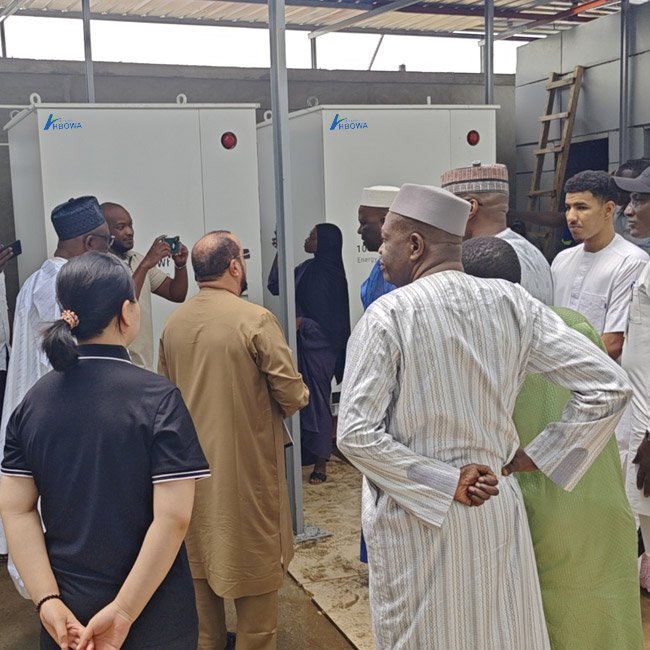
Benefits of ESS Systems in Modern Energy Solutions
Energy Storage Systems (ESS) is a game-changing practice to generate, store, and consume energy derived from renewable sources. It offers many benefits by introducing sustainability and non-reliance on fossil fuels and more.
The first advantage of ESS is to reduce the world’s reliance on non-renewable resources like coal. It has been successful in the world since the ESS systems can store surplus energy produced from the renewable energy sector.
Next benefit is that ESS stabilizes an electricity grid. It could help the fluctuations, instability, inefficiency and demand of the grid-energy systems. ESS can balance out these risky conditions with the help of its energy storage methods by supplying continuous and reliable power.
ESS Benefits by Stakeholder
| Stakeholder | Economic Benefits | Environmental Benefits | Operational Benefits |
| Homeowners | Lower bills | Reduced carbon footprint | Energy independence |
| Businesses | Peak load reduction | Green credentials | Reliable power |
| Utilities | Grid optimization | Renewable integration | Load management |
| Environment | – | Emissions reduction | Resource efficiency |
Another benefit that the ESS system offers is a cost-efficient solution for the long term. The cost of installing the technology might be a bit high, but you can save money in the long term.
Challenges and Future Trends in ESS
Even though Energy Storage Systems (ESS) offer a promising solution to the energy needs in the modern world, there are some challenges that hold back their potential to maximize results. One of the major concerns regarding ESS systems is the high upfront cost of installation. The capital requirement involved in the development and installation of these systems, i.e. large-scale batteries or grid-level ESS is quite high. This includes the cost of storage batteries, the ESS control system, and the infrastructure required for their installation.
The next challenge regarding the ESS energy is the efficiency associated with it. The energy loss or heat generated during the charging and discharging cycles of the battery is a foremost problem with many existing technologies. For instance, lithium-ion batteries are not a hundred percent perfect in terms of energy conversion efficiency.
Another factor surrounding the deployment of ESS systems is the impact on the environment. Although ESS technology can reduce the reliance on fossil fuels for energy, the mining of lithium and other materials creates environmental challenges.
Besides these emerging challenges, we can look forward to its potential solutions and its future trends. Solid-state battery development is becoming a safer solution and a new trend in a few year’s time. Solid-state batteries are certainly an alternative that has impressive progress.
ESS Technology Trends
| Technology | Current Status | Future Potential | Development Timeline |
| Solid State | R&D Phase | Very High | 5-10 years |
| Hydrogen Storage | Pilot Projects | High | 3-7 years |
| Advanced Li-ion | Mature | Moderate | Current |
| New Materials | Research | High | 7-15 years |
Another trend to watch is the newly developing Hydrogen-based storage systems. Hydrogen storage provides the possibility to store a vastly higher amount of energy over more extended periods.

Conclusion
ESS means Energy Storage System. It helps store energy, improve power reliability, reduce peak electricity costs, and support renewable energy use. For commercial and industrial projects, HBOWA can provide LiFePO4 battery cabinets, containerized BESS, and solar-plus-storage solutions based on your load profile, backup needs, and installation site.
Solar Products for Your Project
 Solar Panels | 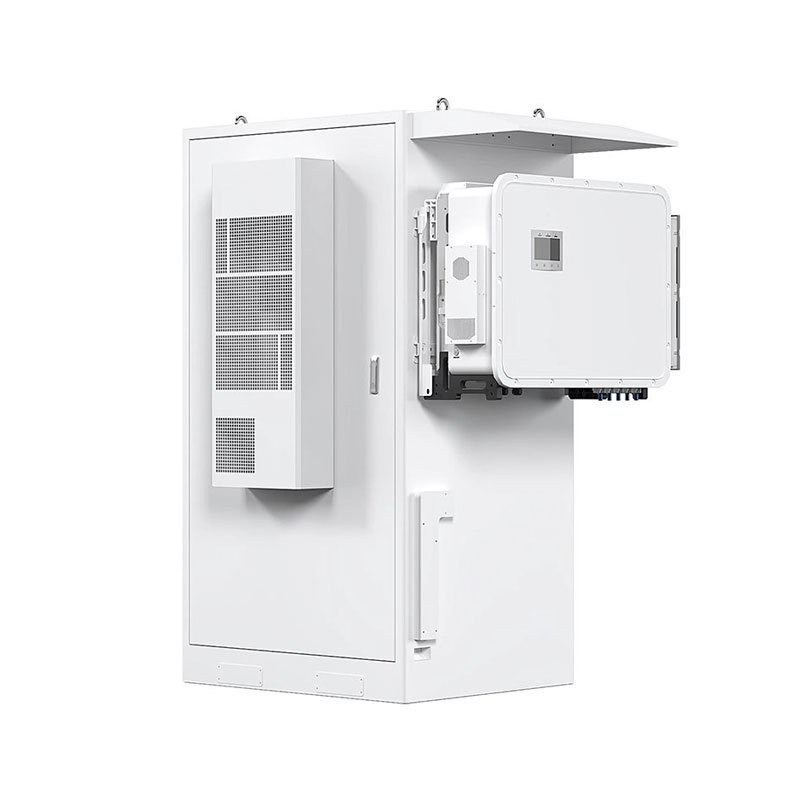 Energy Storage Cabinet Energy Storage Cabinet | 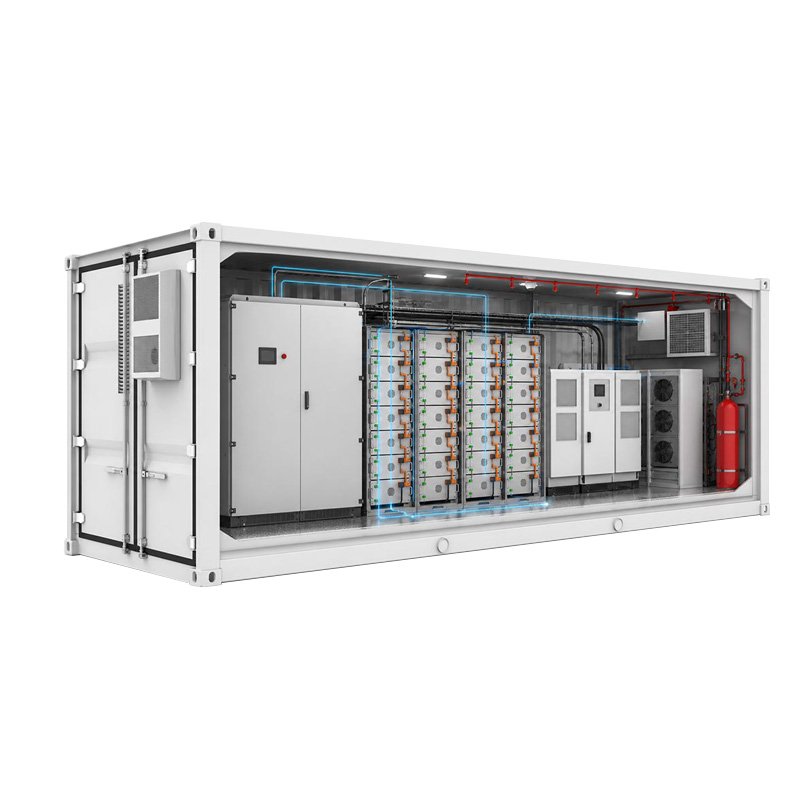 C&I BESS Container |
Frequently Asked Questions
ESS stands for energy storage systems. Mostly, the energy sector needs ESS to save energy that is extra and will be helpful for later utilization. Also, they play a significant role in enhancing grid stability and reducing the dependence on fossil fuels.
An ESS can benefit solar power users in many ways. Using a solar ESS will help to increase efficiency. Solar systems generate energy during the daytime, but the energy is mostly consumed at night time or in cloudy weather. An ESS helps solar users to stack the excess energy usage and store it during sunny hours. So it helps its users to rely less on grid stations and results in saving money.
There are several kinds of ESS systems for specific requirements and applications. The most widely recognized types of ESS are:
- Battery-Energy Storage System (Li-part and stream batteries), are widely used for their efficiency. There are a number of well-reputed brands such as our HBOWA batteries.
- A thermal ESS system is utilized to store energy through warmth or cold. “Molten Salt” or “Ice Storage” are used to store energy in the form of heat and cold.
- Compressed air ESS is commonly used for large-scale energy storage
- Flywheel-based Energy Storage System (FESS)stores energy kinetically using a rotor by spinning it at a high speed.
The right ESS size depends on your load profile, backup duration, solar system size, electricity tariff, and operating goals. For commercial projects, ESS sizing should also consider peak shaving, load shifting, future expansion, battery depth of discharge, and inverter power rating.
ESS work with solar panels by storing excess solar electricity during the day and releasing energy when the power is needed later. When solar generation energy is higher than the load, the extra energy can be charged to the ESS by inverter or PCS, and the ESS can release them at night or rainy days when the solar energy is not available. This helps improve solar self-consumption, reduce grid dependence, and provide backup power for residential, commercial, and industrial applications.