
Formula: mA = A × 1000
An A to mA calculator converts readings from amperes (A) to milliamperes (mA). This conversion is beneficial in the field of electronic circuits, battery systems, and any low-current electrical equipment, as current values are often expressed in smaller units. Engineers, electricians, technicians, and students can use this calculator to convert amps to milliamps. Users can easily enter the existing value in A, and the calculator will return the equivalent value in mA to allow for proper analysis and checking of the system.
Formula & Variable Relationship

The international system of units (SI) uses a metric prefix system, which is used to define amperes and milliamperes. The ampere is the base unit of electric current. It describes the rate at which electricity or charge flows. In most practical electrical and electronic systems, the current through a number of components actually is less than an ampere. Because of this, engineers as well as technicians often measure in milliamperes for convenience.
The prefix “milli” means a thousandth of a base unit, so that means one milliampere is the same as one thousandth of an ampere, and one ampere is the same as one thousand milliamperes(vice versa).
Whichever the circuit is, alternating current (AC) or direct current (DC), this unit relationship applies to all types of electrical systems. Thus, the current flows in an alternating current (AC) circuit in a power distribution network or in a direct current (DC) circuit in a battery, solar system, electronic items, etc. The equation is thus purely a unit transformation and not a calculation of the voltage, resistance, or power characteristics of the circuit.
Example Calculation
Think about a solar battery system powering a remote environmental monitoring device. During the testing process, engineers measure the control board operating current as 0.72 amperes when the system transmits data.
The present-day measurement is in amperes, but the monitoring software involved in the system monitors the current in milliamperes. To conform the measuring unit to what is used on the monitoring platform, the A to mA conversion formula must be used.

When we express the current in milliamperes, we get to see smaller changes in the power consumption and how it affects the system load in different operating modes. This is especially vital for solar devices because battery capacity and energy performance impact system reliability.
When to Use This Calculator
In the process of converting amperes to milliamperes, this A to mA conversion calculator is helpful when electrical current values are large. A lot of contemporary electronic systems work at quite low current levels. For instance, control electronics, embedded systems, and sensor networks. Employing milliamperes yields more accurate readings and aids in assessing component specs.
When to Use the A to mA Calculator
Electrical Engineers
Verify current consumption of microcontrollers, communication modules, and signal-processing circuits whose specs are listed in mA.
MCUs · Comms · Signal circuits
Solar & Off-Grid Systems
Convert charge controller output or battery standby loads from amperes into milliamperes for higher-resolution monitoring and logging.
Charge controllers · Battery loads
System Diagnostics
Align multimeter or lab instrument readings (in A) with the mA resolution range of diagnostic tools and technical documentation.
Multimeters · Lab instruments
Spec & Doc Matching
Match measured current values to manufacturer component specifications, which are typically expressed in milliamperes for electronic parts.
Datasheets · Component specs
Rule of thumb: Any time your measured current is in A but the spec sheet uses mA, multiply by 1,000.
Electrical engineers often convert from amps to milliamps to verify microcontroller, communication module, and signal-processing circuit current consumption. When analyzing charge controller output, the solar technician may convert the ampere reading to a milliamps one during the standby load.
The conversion may also be useful for diagnostics. Technicians who deal with laboratory instruments or digital multimeters mostly convert the current in amperes into milliamperes so that the readings on the dial are within the resolution and measuring range of the device. Unit conversion makes sure your readings are consistent with the technical documentation and manufacturer specifications.
Reference Table (Typical Values)
The table below shows typical amps to milliamps conversion using practical current values which may be found in electronic circuits, instrumentations or battery-powered equipment.
Common A to mA Conversions at a Glance
SENSORS & LOW-POWER CIRCUITS (BELOW 100 MA)
EMBEDDED MODULES & WIRELESS CIRCUITS (100–500 MA)
LARGER CONTROL CIRCUITS & POWER LOADS (1 A+)
Low-power / sensors (≤0.1 A)
Modules / embedded (0.1–1 A)
Larger loads (1 A+)
Key Insight: Bar length scales with milliamp value. All values follow the exact formula mA = A × 1000.
| Current (A) | Current (mA) |
| 0.006 | 6 |
| 0.019 | 19 |
| 0.034 | 34 |
| 0.058 | 58 |
| 0.092 | 92 |
| 0.147 | 147 |
| 0.213 | 213 |
| 0.364 | 364 |
| 0.486 | 486 |
| 0.729 | 729 |
| 0.915 | 915 |
| 1.27 | 1270 |
| 1.84 | 1840 |
| 2.36 | 2360 |
| 3.75 | 3750 |
These values stand for realistic currents in practical systems. Low-power interfaces or communication circuits using small sensors generally operate at less than 100 milliamperes, while embedded control boards and wireless modules can consume several hundred milliamperes in active operation. Larger electronic devices or power control circuits might reach or exceed a current of an ampere.
Reference tables are great for a quick estimation of amp to mA conversions when dealing with electrical measurements during troubleshooting or system verification. But when exact figures are required for engineering computations or energy analysis, the direct conversion will remain the most reliable method.
Accuracy & Limitations
AMPS TO MA Conversion is exact because it is based upon a metric relationship between the quantities and not a conversion factor. The overall accuracy of the result depends on the accuracy of the original current measurement.
Tools for measuring physical values, such as digital multimeters or current sensors, always add minor uncertainties, which may be due to calibration tolerance, measurement resolution, and environmental conditions. Current measurements can be affected by temperature changes, electrical noise, and the resistance of wires.
In real-life electrical systems, fluctuations in current may occur due to load variation or due to power supply behavior. Over time, these variations may cause the measured value in amperes to vary slightly, which will also impact the converted value expressed in milliamps.
This calculator just does a unit conversion from amps to milliamps. It doesn’t account for other electrical parameters, such as voltage changes, system efficiency, resistance losses, and transient current spikes, which occur while starting any operating equipment.
Solar Products for Your Project
 Solar Panels | 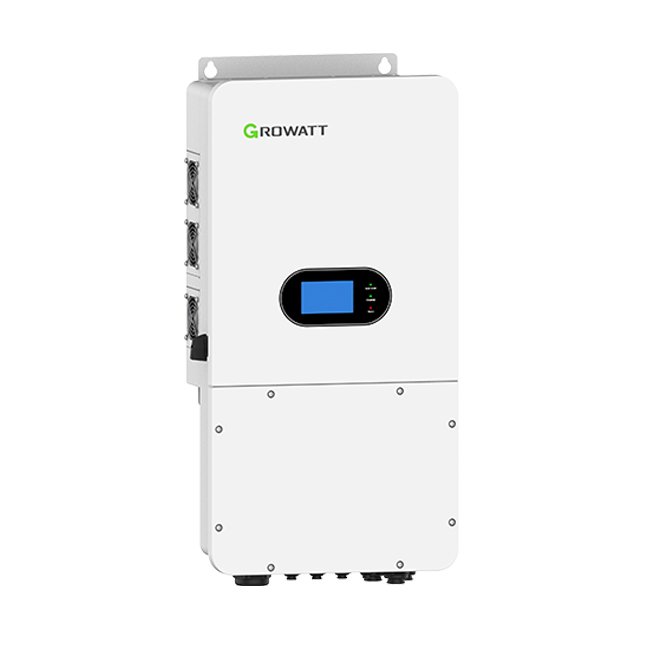 Solar Inverter |  C&I Battery Storage |
Case Study
Installation of a solar-powered compact data station at a coastal research site for atmospheric observations. The system runs from a photovoltaic panel, which is linked to a lithium battery pack provided by the HBOWA company, and has several electronic components, including environmental sensors, a data processor, and wireless communication.
The engineers measured 0.156 amperes, the operating current of the processor board, while the station was processing incoming sensor data during a performance test. System management software stores the present values in milli-amperes for measurement resolution during monitoring.
Applying the A to mA conversion formula:
0.156 x 1000 = 156
The processor consumes 156 milliamperes.
By giving the load in milliamps, the engineers can better observe trends in power consumption and to check whether there is sufficient capacity in the system containing the solar panel and battery to permit absolutely continuous operation. The increased numerical resolution helps to recognize minute variations in current draw that indicate component aging or system faults.
Conclusion
The amperes to milliamperes conversion calculator will help you in converting amperes to milliamperes in electrical systems. Such a conversion becomes essential in low current circuits when precise measurement is desired. Translating the current into milliamperes enables engineers and technicians to evaluate system behaviour. They can also compare their measurements with component specifications and ensure the system works reliably. This allows the system to operate appropriately in electronic applications, solar power, and battery power systems.
More Calculators for You