Introduction
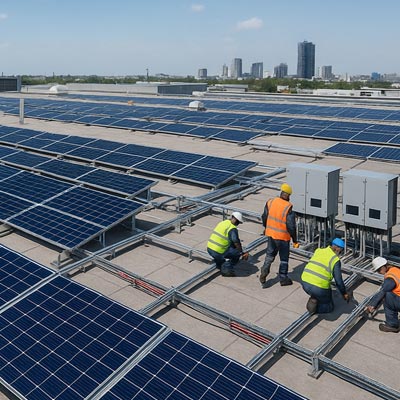
Solar energy is the most reliable and abundant source of renewable energy. But solar energy is available for a limited time daily. That limited time is when the sun is up, whereas in some scenarios. We cannot depend on solar energy because of the weather conditions. We need to learn how to store solar energy carefully to make it more useful through battery storage for solar energy. Households and businesses can make use of solar electricity and power, even if it is not daytime, they will need solar panels having battery storage to keep excess energy generated during the day and use it when there is demand or necessity at night or when there is no power supply. This can be used even during the power cuts.
Why Storing Solar Energy Matters in 2025
The increase in electricity demand and decrease in grid reliability have made energy storage very important in the past few years. In many regions, there is a common occurrence of power outages and voltage instability. To store solar energy is a much practical solution to such a problem. Homeowners, especially people in remote places, can use the power stored to keep the lights, appliances, and heating systems running in the event of a power cut. This is not only a matter of security but also convenience. For commercial purposes, efficient energy storage can protect the business and avoid long downtime.
Also, from a financial perspective, it is important to know how you can store solar energy at home. The price of electricity has been increasing all over the world. Home and business owners can use the solar electricity stored at home to avoid expensive peak-hour tariffs. Also, if commercial users use stored solar energy instead of drawing from the grid, they have to pay less demand charges.
Governments in Europe, North America, and Asia have been supporting these by way of subsidies, rebates, or tax credits. This makes how to preserve solar energy at home a technical advantage. Storing solar energy in 2025 is not a choice anymore, but a default feature of solar systems.
Methods of Storing Solar Energy: Beyond Batteries
Several strategies to store renewable power exist, but each approach has limitations that dictate where it can be used. Thermal storage is used in buildings, where solar energy heats water or air to be used later. However, it is not suitable to power appliances or electronics. Large quantities of energy can be stored using mechanical means such as pumped hydro or compressed air, but the use of significant land and water resources or specialized infrastructure means they are generally not practical for use in homes or small businesses.
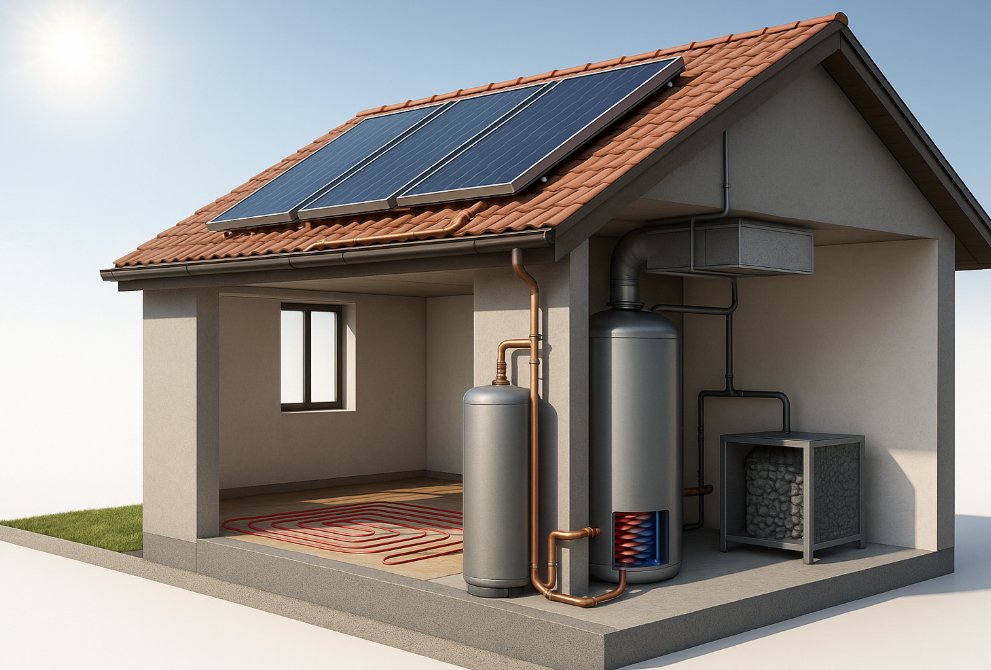
For solar panel owners at a residential or commercial level, the most convenient method of solar energy storage is still batteries. Knowing how to store solar panel energy with advanced lithium-based batteries ensures that the electricity generated can be used at night, during cloudy weather, or in regions with unstable grids. As technology has advanced, solar storage batteries have become more efficient, compact, and cost-effective, becoming the preferred method for most installations. Unlike thermal or mechanical storage, batteries are not specific to a particular scale and can be used for a small household system as well as multi-megawatt industrial projects.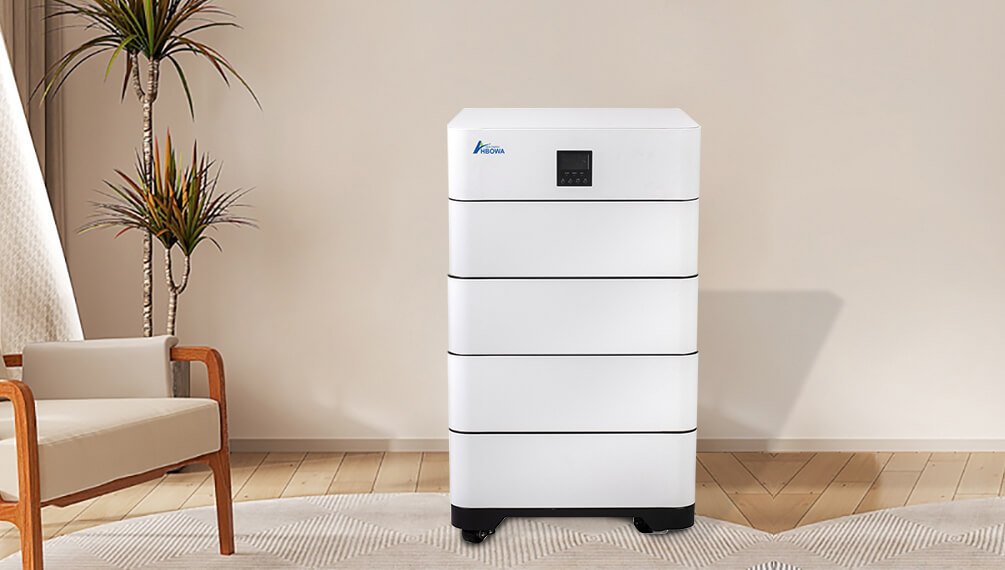
Types of Solar Batteries Explained
There are various battery technologies to store solar energy, and each of these technologies has its own advantages, based on the application. For housing and small businesses, home lithium-based batteries are omnipresent due to their limited area, efficiency, and longer life. For larger projects, there are alternatives if cost or special operating conditions are the only constraints.
The most reliable choice for use at home or commercially is Lithium Iron Phosphate (LiFePO₄) batteries. These batteries also have a longer life cycle, great thermal stability, and require fewer maintenance checks. A 10 kWh battery has a life expectancy of over a decade.
Lithium Nickel Manganese Cobalt (NMC) batteries have a greater energy density. These batteries are best used when there is limited space. Common in electrically powered vehicles, these batteries will also be suitable for the storage of solar energy when a confined space is a priority of the space.
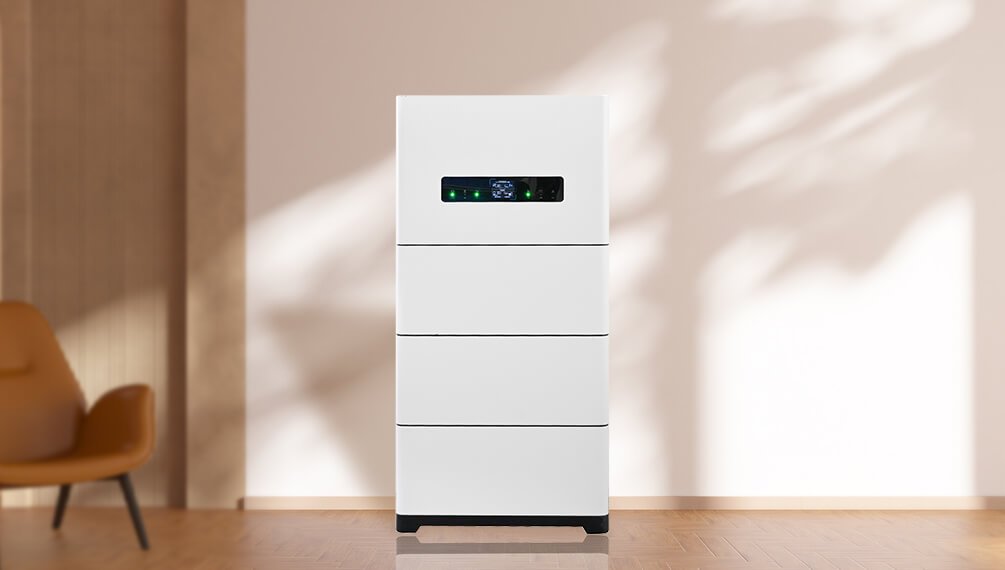
The Lead-acid batteries, such as AGM or GEL, are an older solution. Though having a lower initial cost, these batteries look heavier, require more maintenance, and only last a fraction of the time compared to lithium batteries.
Flow batteries are a new, emerging battery type. They are designed for large-scale projects or industry-grade projects. As they last many years and offer high cycle counts when the battery storage system is installed, their adoption in housing is restricted.
| Battery Technology | Cycle Life | Depth of Discharge | Efficiency (%) | Cost per kWh | Lifespan (Years) | Maintenance Level | Best Applications | Environmental Impact |
|---|---|---|---|---|---|---|---|---|
| LiFePO₄ (Lithium Iron Phosphate) | 4,000–6,000+ | 80–90% | 95–98% | $400–600 | 10–15 | Very Low | Residential, Commercial, Backup Systems | Excellent – Non-toxic, Recyclable |
| NMC (Nickel Manganese Cobalt) | 2,000–4,000 | 70–80% | 90–95% | $300–500 | 8–12 | Low | Space-Limited Installations, EVs | Good – Some rare metals |
| Lead-Acid AGM | 500–800 | 50–60% | 80–85% | $150–250 | 3–5 | Medium | Budget Systems, Backup Power | Fair – Lead recycling required |
| Lead-Acid GEL | 800–1,000 | 50–60% | 85–90% | $200–300 | 5–7 | Low–Medium | Off-Grid, Marine Applications | Fair – Lead recycling required |
| Flow Batteries | 10,000+ | 100% | 65–75% | $500–800 | 20+ | Medium | Industrial, Utility-Scale Storage | Excellent – Fully recyclable |
Complete Solar Battery Comparison Guide 2025
How Much Battery Storage Do You Need?
How big a solar battery should be used depends on the daily consumption of electricity, hours of backup required, and the efficiency (loss of charge). Globally, storage capacity is quantified in kilowatt hours (kWh), how much energy that can be stored and discharged.
A residence having 8 kWh of electricity consumption per day needs a battery slightly larger than that for proper cover, especially during cloudy days and outages. A house with 8-kWh of electricity usage per day installs a 10 kWh home battery. With the installation, the battery backup can provide one day, along with some margin, eventually reducing the dependence on the grid and providing coverage from sudden failures. Businesses need to install larger battery storage and usually the connection of multiple batteries together to cover high loads.
The table below is an approximate representation of a matching per-day use of electricity and the necessary battery size for a backup. The sizing may not be suitable for the actual needs, as it keeps on varying with depth of discharge, other losses in battery storage, and the number of days of backup required.
| Household Size | Daily Usage (kWh) | Recommended Battery Size | Backup Duration | Estimated Cost Range | Monthly Savings Potential | ROI Timeline | Suitable Battery Type |
|---|---|---|---|---|---|---|---|
| Small Home (1–2 people) | 3–5 kWh | 5–8 kWh | 1–2 days | $2,000–4,800 | $50–80 | 4–6 years | LiFePO₄ |
| Medium Home (3–4 people) | 6–10 kWh | 10–15 kWh | 1–2 days | $4,000–9,000 | $80–150 | 4–7 years | LiFePO₄ |
| Large Home (5+ people) | 11–20 kWh | 15–25 kWh | 1–2 days | $6,000–15,000 | $150–300 | 3–6 years | LiFePO₄ |
| Small Business | 20–50 kWh | 30–75 kWh | 4–8 hours | $12,000–37,500 | $400–800 | 3–5 years | LiFePO₄ / NMC |
| Large Commercial | 100–500 kWh | 150–750 kWh | 2–6 hours | $60,000–375,000 | $2,000–8,000 | 2–4 years | LiFePO₄ |
| Industrial | 500+ kWh | 1+ MWh | 1–4 hours | $400,000+ | $10,000+ | 2–3 years | LiFePO₄ / Flow |
Solar Battery Sizing Calculator & Guide
How Solar Batteries Are Integrated with Solar Systems
There are two main methods of attaching solar batteries to a photovoltaic system. Which methods need to be employed is directly related to the fact that the installation is a new project, or it is already there.
A DC-coupled system connects the solar panels to a charge controller, and the job of the charge controller is to control the electricity going to the battery before the inverter. It is the most efficient way to do it because energy is only converted once. Therefore, for a new photovoltaic system, DC-coupled is the best method.

In the other case, the solar array already exists and is in action, and an AC-coupled system is employed for the battery to be added. Under this asset, first, the panels pump energy through a grid-tie inverter to the battery, which is connected through a battery inverter or hybrid battery inverter. Even though it takes extra effort, AC-coupling is the best way to add to an existing system.
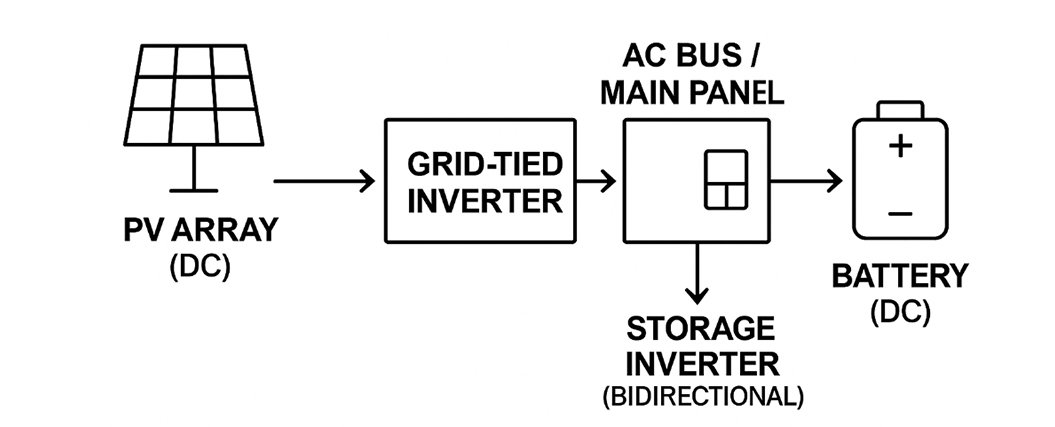
The essential parts required for the functioning are battery packs, one inverter, which is either a hybrid or battery inverter, and battery management. By integrating HBOWA LiFePO₄ battery storage with Deye or Growatt inverters for residential, commercial, and industrial users, this way an adequate result is achieved.
Solar Battery Costs, Rates, and ROI
Solar battery prices are measured in dollars per kilowatt-hour (kWh) of storage capacity. The global price of Li-ion batteries in 2025 will see a decrease over the years due to higher production volumes and more significant improvements in the supply chain. The price of a solar battery rate per home in a LiFePO₄ pack averages to have a $400 – $600 per kWh, while large-scale commercial and industrial setups are at a lower cost per kWh in LiFePO₄ because of economies of scale (overall lowering of expenses as production increases).
Return on investment depends on how the energy stored is used. For a homeowner, the savings come from using less grid power and not using it at peak rate cost. In a time-of-use market, having a 10 kWh battery pushes the high energy consumption to the cheaper hours, thereby reducing the bill for that month. While businesses often save more money per unit of energy stored because this stored solar electricity can decrease demand charges’ cost and keep the business running during shutdowns.
| Battery System Size | Initial Investment | Installation Cost | Total System Cost | Monthly Grid Savings | Annual Savings | Payback Period | 25-Year Net Savings | Government Incentives Available |
|---|---|---|---|---|---|---|---|---|
| 5 kWh System | $2,000–3,000 | $500–800 | $2,500–3,800 | $50–80 | $600–960 | 3–6 years | $12,000–20,000 | 30% Federal Tax Credit (US) |
| 10 kWh System | $4,000–6,000 | $800–1,200 | $4,800–7,200 | $100–160 | $1,200–1,920 | 3–5 years | $25,000–40,000 | 30% Federal + State Rebates |
| 20 kWh System | $8,000–12,000 | $1,500–2,400 | $9,500–14,400 | $200–320 | $2,400–3,840 | 3–5 years | $50,000–80,000 | Various State Programs |
| 50 kWh Commercial | $20,000–25,000 | $3,000–5,000 | $23,000–30,000 | $500–800 | $6,000–9,600 | 3–4 years | $120,000–200,000 | Commercial Tax Credits |
| 100 kWh Commercial | $35,000–45,000 | $5,000–8,000 | $40,000–53,000 | $1,000–1,600 | $12,000–19,200 | 2–4 years | $250,000–400,000 | Accelerated Depreciation |
Solar Battery Cost Analysis & ROI Calculator 2025
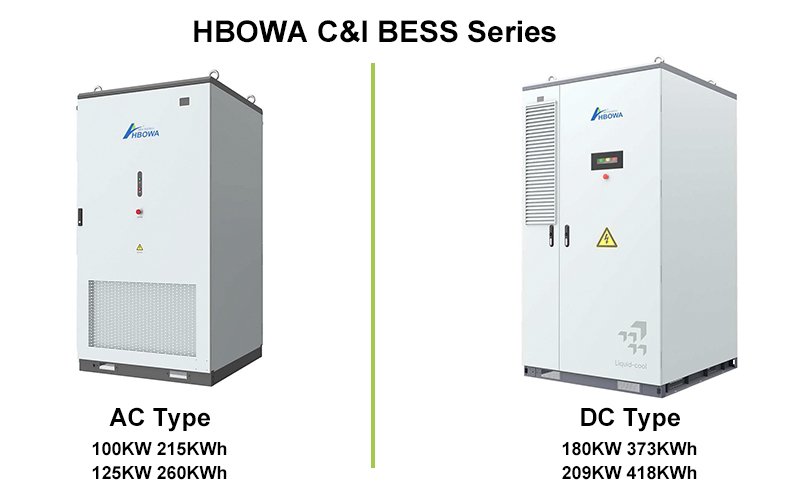
A warehouse study shows that a 200 kWh HBOWA LiFePO₄ reduced annual electricity expenses by more than 20%. It paid for itself in under six years by taking advantage of peak shaving and power restoration in case grid outage. These results show that solar battery storage delivers strong financial performance.
Solar Battery Lifespan and Maintenance
Solar batteries’ lifespan depends on the chemical they use, the depth of discharge, and how well they’re maintained. For the longest battery lifespan, lithium-based batteries are the best, particularly LiFePO₄.
These batteries will last between 10 and 15 years, and have a cycle count of plus 6,000, while other lithium-ion batteries will serve 8 to 12 years. Lead-acid batteries will last the shortest amount of time and need to be replaced every 3 to 5 years. Flow batteries are used in industries because of the special electrolyte system they use, and they will also last for 20+ years.
Staying within a proper depth discharge of no less than 10-20 percent is another way to keep solar batteries up and running. Batteries work best neither in extreme temperatures, nor when it’s extremely cold; their efficiency of a battery decreases in very cold and hot temperatures. They perform best as long as they are stored between 15-30 degrees Celsius.
Batteries should use a BMS (battery management system) to ensure they are not overcharged, over-discharged, or overheated.
For example, a rural school campus in South Asia has been using HBOWA LiFePO₄ batteries since they were installed in 2013. They still have them installed, and the system has shown <15% capacity loss. It proves that proper operating procedures will maximize the life of an industrial unit.

Residential vs Commercial & Industrial Battery Storage
The sizing and application of solar battery storage vary greatly between residential, commercial, and industrial users. For homes, they generally vary from 5 kWh to 15kWh, enough to run houses’ essential appliances, lights, and small appliances of equipment all night upon being charged during the day. In general, the battery storage range of 10 kWh daily for an average household in a single day, along with that, one can escape their electric grid and enjoy less amount of electricity bills.
For commercial users, the size and scale of such systems are larger and often exceed 100KWh. The main aims of these systems are to bear heavy-duty loads, protect operations from electric grid interruptions, and reduce demand charges. An escrow store of 215 kWh can use a LiFePO₄ system to save money by also shifting the consumption of the city electric grid to the battery and storing solar energy during high price-peak hours. These methods help them to save over the following years.
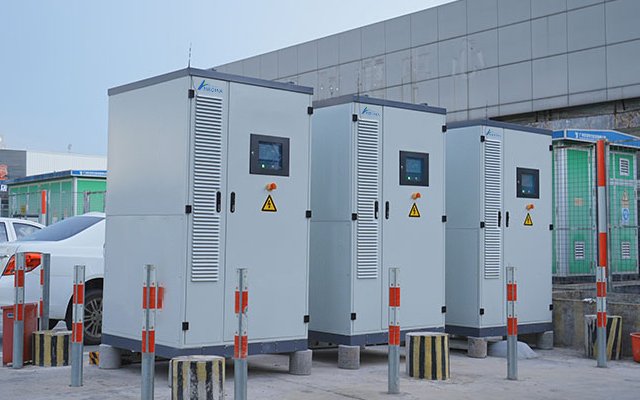
For industrial battery storage, the storage of energy required escalates to multi-megawatt scales ranging from 1MWh to 5MWh and more. The packs are then used to power factory units, data centres, and large-scale renewable installations. HBOWA supplies modular LiFePO₄ battery energy storage systems that can be scaled to meet industrial demand, ensuring continuous operations.
It is imperative to understand the different types of applications available while designing battery storage for solar power. Residential use focuses on independence and savings of monthly bills, commercial use focuses on cost improvement and reliability, and industrial use focuses on ensuring optimization of energy and scalability
Commercial and industrial projects commonly use a commercial energy storage cabinet when battery modules, PCS, BMS, EMS, thermal management, and protection need to be integrated at the system level.
Safety, Warranty, and Compliance
While making a battery storage system for solar power, it is hugely essential to consider safety. Proper installation of batteries can ensure they work without overheating, fire, or short circuits. Batteries of residential systems should be situated in cool, dry, and well-ventilated spaces, while outside installations should be weatherproof and have proper IP ratings.
Battery management systems (BMS) are also essential for checking charge and discharge cycles, preventing charging too much, discharging too deeply, respiration of the battery, etc., and also maintaining the correct temperature. The manufacturer’s instructions should also be followed to ensure long-term safety and system efficiency.
Warranties of different types of batteries differ significantly. Quality brands such as HBOWA LiFePO₄ batteries can have 10-15 years of warranty as they last longer, while the NMC and lead-acid batteries have shorter warranty periods. One is also obligated to comply with local laws and electrical codes and have the system installed by a professional to remain eligible for the warranties.
| Maintenance Task | Frequency | LiFePO₄ | NMC | Lead-Acid | Safety Priority | DIY vs Professional | Warning Signs |
|---|---|---|---|---|---|---|---|
| Visual Inspection | Monthly | Required | Required | Required | High | DIY Safe | Swelling, corrosion, damage |
| Terminal Cleaning | Quarterly | Minimal | Minimal | Critical | Medium | DIY with precautions | White/green buildup |
| Voltage Monitoring | Weekly | Auto BMS | Auto BMS | Manual | High | System automated | Voltage drift, imbalance |
| Temperature Check | Monthly | Auto | Monitor | Manual | Critical | System monitored | Overheating, freezing |
| Capacity Testing | Annually | BMS reports | BMS reports | Load test | Medium | Professional recommended | Reduced runtime |
| Electrolyte Level | Monthly | N/A | N/A | Critical | High | DIY with training | Low fluid levels |
| Firmware Updates | As available | OTA capable | OTA capable | N/A | Medium | Auto or DIY | System alerts |
Solar Battery Maintenance & Safety Checklist
Understanding these requirements is a key part of learning how to store solar energy from solar panels effectively.
Conclusion
Efficient battery storage for solar power allows homes and businesses to maximize solar energy, reduce grid dependence, and protect against outages. It can store solar energy when the sunlight is enough, can use it when the sunlight is very less, and without proper storage and usage, the stored solar energy can only go to waste. HBOWA provides various LiFePO₄ batteries and inverters, and Tier-1 solar panels for residential, commercial as well and industrial applications. The right amount of storage of solar energy gives the best results on long-term usage and reduces cost.