
kVA to kW Calculator
Convert apparent power in kVA to real power in kW for your solar or backup power system.
A kVA to kW calculator can help you convert kilovolt-amperes to kilowatts easily, and it is necessary for the electrical equipment, generators, inverters, and transformers that are rated in kVA, but actual usable power is in kW. Engineers, Electricians, Solar Designers, and System Planners use the kVA to kW conversion to get fast and accurate results for system sizing and load verification. The kVA to kW calculator determines the real power supplies (kW) of your electrical circuits by taking the power factor into account. That is, it reflects the real power consumption capacity of a system.
Formula & Variable Definitions
kVA to kW conversion formula:
KW = KVA x PF
The simple formula for converting kVA to kW is not the whole story. Because of the way AC electric systems react to load, kVA and kW are related. The amount of power that is either used or wasted is termed reactive power (kVAr). Real power (kW) is the part of that power converted into actual useful power.
The power factor tells us how well apparent power is converted to real power. It shows the angle relationship between the voltage and current, and how much the apparent power becomes useful power. In most practical cases, the power factor is seldom ideal since most loads have inductive devices, motors, and electronics.
With a decrease in power factor, the same kVA rating gives less kW output. However, two systems with the same kVA ratings can have very different power flows of real power depending on the power factor. The kW value calculated, therefore, is the actual working value and not the theoretical maximum of an electrical system.
Example Calculation
Imagine a system that combines solar power and HBOWA LiFePO4 battery to give power to a logistics facility. The primary Growatt inverter, which is used for the conveyor controls, lighting, industrial computer, and auxiliary motor, has a capacity of 52.8 kVA. The average power factor of the load at the facility is about 0.82.
kVA to kW conversion is done by multiplying the value of kVA by the power factor. The real power in kW is equal to 52.8 kVA X 0.82 = 43.30 kW.
The value indicates the maximum continuous load that the system can take on. If the facility is going to use near this kW capacity, the inverter can lose efficiency, overheat, or become unstable. Engineers use the kVA to kW calculation to get the information of whether the system has adequate margin for expansion or whether upgrades need to be done in order not to impact the reliability.
When to Use This Calculator
The conversion of kVA to kW happens for equipment ratings given in apparent power when real power values are required for system planning. During generator selection, it is important to translate kVA ratings into usable kW output so that undersized installations do not occur. Designers of solar systems and battery systems use the kVA to kW calculator to guarantee inverter capacity aligns with the actual load rather than the stated capacity.
This conversion is also used for transformer sizing, UPS capacity design, and industrial load analysis. In all these cases, power factor variations can hugely impact real-world performance, and thus, the calculation of kVA to kW is an important step. Engineers can use kVA to kW conversions to determine the true capabilities of a system before any deployment or modification.
Reference Table (Typical Values)
The table below shows how the application of non-ideal power factors alters the kVA to kW value ratios under realistic conditions. These are not the idealized systems of example problems.
| Apparent Power (kVA) | Power Factor | Real Power (kW) |
| 8.7 | 0.76 | 6.61 |
| 12.4 | 0.79 | 9.80 |
| 17.9 | 0.83 | 14.86 |
| 23.6 | 0.81 | 19.12 |
| 31.8 | 0.78 | 24.80 |
| 39.5 | 0.85 | 33.58 |
| 47.2 | 0.74 | 34.93 |
| 56.9 | 0.82 | 46.66 |
| 65.4 | 0.80 | 52.32 |
| 74.3 | 0.81 | 60.18 |
| 88.6 | 0.85 | 75.31 |
| 104.9 | 0.78 | 81.82 |
| 118.9 | 0.83 | 98.69 |
| 134.5 | 0.77 | 103.57 |
| 149.3 | 0.76 | 113.47 |
| 173.8 | 0.84 | 145.99 |
| 185.5 | 0.84 | 155.82 |
| 212.6 | 0.79 | 167.95 |
kVA to kW Output & Efficiency Reference
| kVA (Input) | Power Factor | kW (Output) | Efficiency Rating |
|---|---|---|---|
| 10 kVA | 0.70 | 7.0 kW | Fair |
| 20 kVA | 0.80 | 16.0 kW | Good |
| 30 kVA | 0.85 | 25.5 kW | Very Good |
| 50 kVA | 0.82 | 41.0 kW | Good |
| 75 kVA | 0.78 | 58.5 kW | Fair-Good |
| 100 kVA | 0.85 | 85.0 kW | Very Good |
| 150 kVA | 0.80 | 120.0 kW | Good |
| 200 kVA | 0.82 | 164.0 kW | Good |
The values show how usable power changes with power factor, even when apparent power is steadily increasing. In actual installation conditions, the power factor continuously varies due to changes in load composition and due to switching devices and inductive components. As such, the same kVA rating may give different kW values under different operating conditions.
The table should be regarded as a useful reference rather than a definitive specification. Output of usable kW may drop slightly due to inverter efficiency losses, wiring resistance, temperature effects, and systemic aging. For designing a reliable system, engineers usually keep a safety margin more than the calculated kVA to kW.
Accuracy & Limitations
The kVA to kW calculator assumes a constant power factor and constant operating conditions. Power factors are influenced by load behavior, temperature, and equipment characteristics in actual systems.
For engineering certification, the calculator should not be used for precise work and uses. Calculated results for critical applications should be checked against the manufacturer’s data and site measurements.
Case Study
The data-processing facility is a grid-tied HBOWA LiFePO4 battery backup system to prevent operational disturbance during outages, and with a rating of 71.6 kVA, the mains inverter powers servers, air conditioning, networking equipment, and automation, but the monitoring data reveal the presence of switching power supplies and inductive loads, thus yielding an average power factor of 0.73.
The output power of approximately 52.27 kW is obtained by applying the kVA to kW conversion, and the operational record of the plant shows that the average load of the facility is about 46 kW. In addition, peak loads occasionally go above 50 kW. This usually occurs when activity at the facility is particularly high during processing operations.
The kVA rating indicates that the inverter should be adequate, but the kW check reveals low headroom. An increase in load on existing servers without upgrading the underlying infrastructure will lead to overload and instability, engineers. Therefore, corrective measures to improve the power factor or increase the capacity of inverters are preferred before increasing the scaling. This case discusses kVA to kW calculation to help make more informed technical decisions than nominal equipment ratings.
Conclusion
The kVA to kW calculator is a useful tool that converts apparent power ratings into usable power. Taking into account the power factor enables to sizing of a system accurately, verifies load, and sizes electrical, solar, and battery applications. Engineers and system designers can avoid underestimating power requirements by understanding the kVA and kW relationship. The electric system can operate safely, efficiently, and within realistic performance limits.
More Calculators for You
Solutions for Your Calculated kW Load
Converting kVA to kW helps define the usable power available for an inverter, UPS, generator, or battery system. Use the calculated load as a starting point when comparing these HBOWA system options.
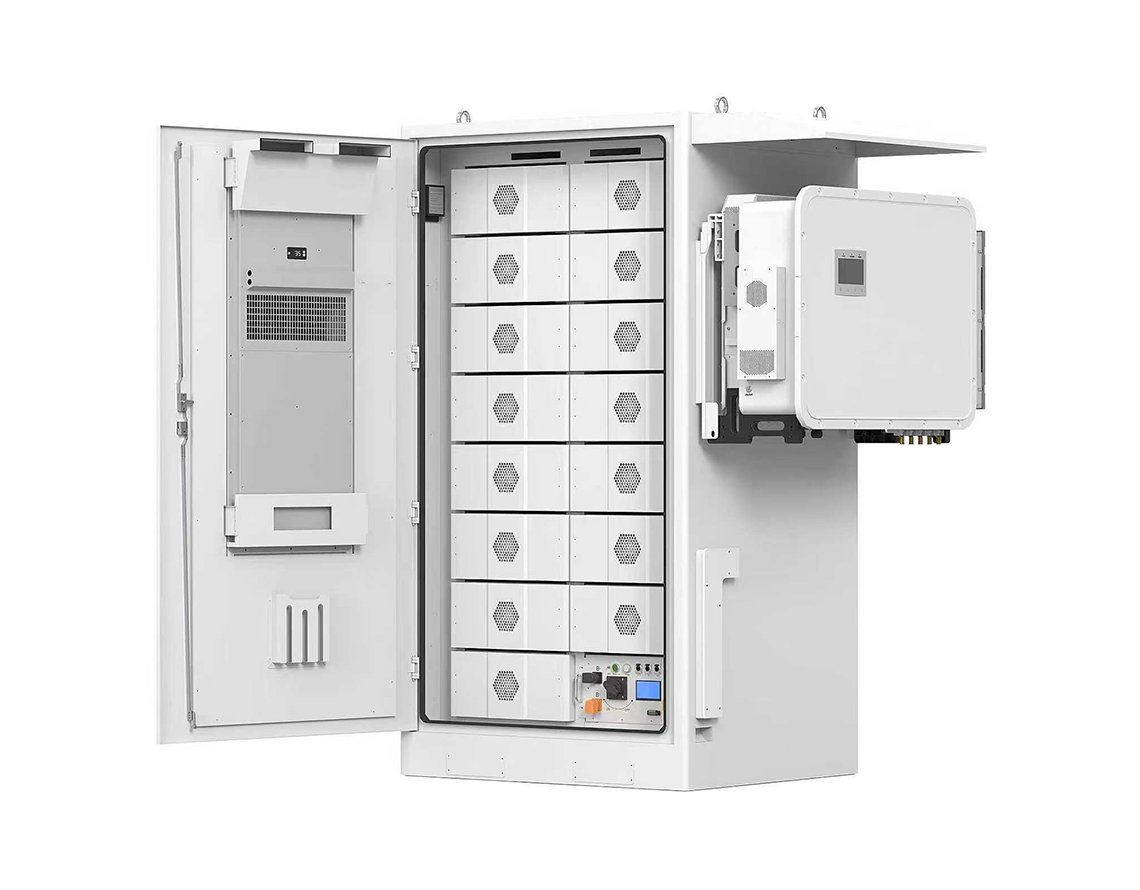
Energy Storage Cabinet
For commercial backup and onsite applications where usable kW, load headroom, and required backup time guide system selection.

Hybrid Solar System
For solar projects that need inverter power, battery capacity, and PV generation coordinated as one complete system.
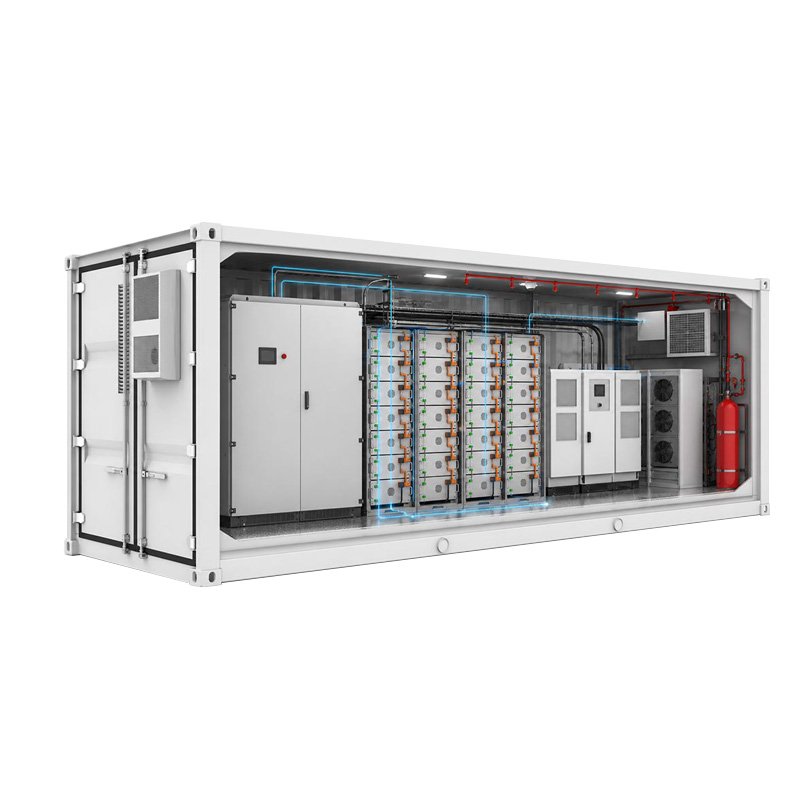
Battery Energy Storage System
For broader C&I projects that require system-level planning around load profile, backup duration, and site conditions.
Frequently Asked Questions
kVA represents apparent power, but kW represents real power, and the difference exists because not all supplied electrical power is converted into usable power and for more information or queries, please contact the HBOWA expert.
Power factor determines how efficiently apparent power (kVA) is converted into real power (kW) because a lower power factor reduces power even when kVA remains constant, so our(HBOWA) experts advise is to considering the PF as a key factor.
kVA equals kW only when the power factor is 1, which do not happen in practical electrical systems.
Yes, the kVA to kW calculator is commonly used to convert generator and inverter ratings from kVA to kW for any system planning.