

An editorial comparison for EPCs, developers, contractors, integrators, distributors, and C&I energy buyers
Choosing among BESS manufacturers requires more than comparing brand names or price per kWh. You need a supplier whose product scope, technical interfaces, compliance documents, project support, and lifecycle service match your project. This guide compares 20 companies and provides a practical sourcing framework.
Why BESS Manufacturer Selection Matters
A BESS connects batteries, power conversion, controls, cooling, fire protection, communications, and grid equipment. Suppliers cover different parts of that chain. If you compare quotations without aligning scope, hidden exclusions can trigger redesign work, commissioning delays, and warranty disputes.
Start with the duty profile, site conditions, grid requirements, and contractual boundary. Then match each supplier’s role to the engineering and service capabilities that your team already controls.
Types Of BESS Manufacturers
BESS manufacturers occupy different positions in the energy storage value chain. Identify the supplier type before you compare pricing or project references.
- Cell manufacturers develop and produce battery cells for pack makers and system integrators.
- Battery system suppliers assemble cells into modules, racks, and BMS-controlled battery blocks.
- BESS equipment manufacturers combine batteries, thermal management, fire protection, electrical distribution, and communications in cabinets or containers.
- System integrators coordinate batteries, PCS, EMS, transformers, switchgear, controls, commissioning, and performance obligations.
- Power electronics and digital-energy providers connect storage with PCS platforms, plant controllers, monitoring, and energy-management software.
Many companies cover several roles. Ask every bidder to state its contractual scope, integration partners, exclusions, and warranty boundary.
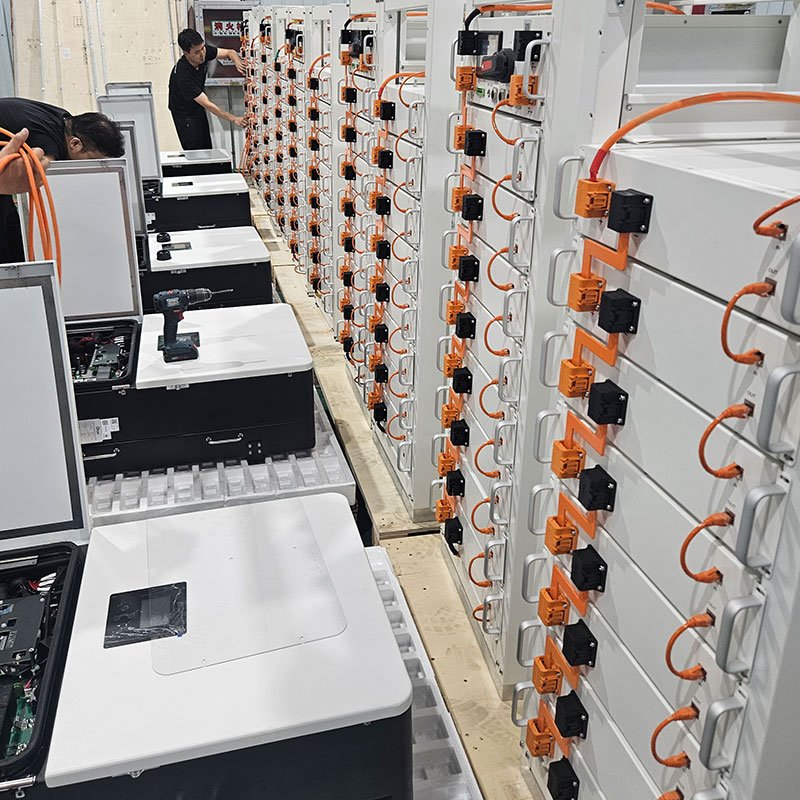
How We Selected These BESS Manufacturers
This editorial list reflects current first-party product information, visible BESS capabilities, and relevance to utility or C&I projects. It does not represent a market-share ranking.
20 BESS Manufacturers To Consider In 2026
CATL
CATL connects its battery-cell business with the TENER family of utility storage systems, including the newer TENER Stack format. Large developers may value one supplier’s control over both cells and DC storage equipment. The commercial package still needs a clearly named party for PCS, plant controls, grid compliance, commissioning, and the complete performance warranty.
Sungrow
Sungrow’s PowerTitan 3.0 platform combines battery storage with the company’s established PCS and power-electronics capabilities. It fits utility and large renewable projects that want fewer interfaces between the DC system and conversion equipment. Buyers should compare the available enclosure formats, grid-forming functions, auxiliary consumption, service response, and regional approval package for the quoted version.
Tesla Energy
Tesla Energy’s current industrial-storage portfolio includes Megapack 3 and Megablock, supported by its energy-control software. Repeatable configurations can suit developers that prioritize deployment consistency across a project pipeline. That standardization also makes early fit checks important: confirm grid-control interfaces, operating modes, augmentation strategy, owner data access, site-service scope, and software support against the long-term operating plan.
BYD Energy Storage
BYD Energy Storage offers the MC Cube-T BESS for utility projects and separate cabinet-scale products for commercial applications. Its battery-to-system coverage gives buyers several project formats under one supplier portfolio. Match the exact BYD model to your duration and site layout, then define PCS supply, EMS ownership, local certification, commissioning, and warranty coordination in the responsibility matrix.
Fluence
Fluence acts primarily as a utility-scale integrator and digital-platform provider. Gridstack Pro targets large, complex projects that need coordinated storage equipment and controls. Developers that need system coordination and lifecycle services may favor this model. Compare software fees, battery sourcing, degradation assumptions, augmentation, cybersecurity, performance testing, and subcontractor responsibilities before contract award.
LG Energy Solution
LG Energy Solution lists ESS cells, modules, packs or racks, and container-level products. This layered portfolio suits OEMs, integrators, and projects that want a major battery supplier without automatically buying every balance-of-system component. Clarify which party selects the PCS, integrates controls and protection, validates thermal design, commissions the plant, and guarantees system-level performance.
Huawei Digital Power
Huawei Digital Power positions its Smart String Grid-Forming ESS within a broader solar, power-electronics, and digital-controls ecosystem. Solar-plus-storage projects may benefit when one architecture coordinates PV, conversion, and storage controls. Procurement teams should review destination-market availability, grid-code evidence, cybersecurity requirements, third-party SCADA access, plant-controller ownership, and the local service route.
EVE Energy
EVE Energy presents Grid ESS and commercial and industrial storage solutions alongside its battery-cell portfolio. The range can support integrators that want cell-level supply, system equipment, or both. The buyer’s main task involves defining the selected product layer: traceability, BMS responsibility, thermal design, PCS compatibility, field support, and system warranty change substantially between a battery package and an integrated BESS.
Trina Storage
Trina Storage develops the Elementa storage platform within Trina Solar’s wider renewable-project portfolio. This positioning suits utility developers and IPPs that plan standalone storage or solar-plus-storage assets. During technical review, compare DC-block configuration, controls and PCS partners, performance guarantees, commissioning scope, augmentation assumptions, and regional service instead of treating the solar and storage contracts as one automatic package.
Canadian Solar e-STORAGE
Canadian Solar e-STORAGE offers the SolBank 3.0 containerized platform for utility projects. Developers already working within Canadian Solar’s renewable ecosystem may find that project alignment useful. Confirm the exact division of responsibility among e-STORAGE, the EPC, and equipment partners for medium-voltage equipment, controls, installation, acceptance testing, warranty remedies, spares, and long-term service.
Wärtsilä Energy Storage & Optimisation
Wärtsilä combines its GridSolv BESS portfolio with the GEMS digital energy platform. That hardware-and-optimization model fits utility, island, microgrid, and hybrid plants with complex dispatch strategies. Buyers should test the proposed control functions against the revenue model, then document battery sourcing, third-party interfaces, software licensing, cybersecurity, performance obligations, and lifecycle-service coverage.
Saft
Saft’s Intensium energy storage systems extend its industrial-battery experience into containerized storage. Industrial sites, infrastructure operators, and specialized projects may value its application-specific engineering approach. Rather than assuming one standard configuration, confirm the available Intensium model, environmental design, maintenance plan, integration partner, destination-market certificates, spare-parts route, and service capability for the operating location.
Hitachi Energy
Hitachi Energy approaches storage through grid integration, power conversion, automation, and electrical infrastructure. This system-level role can help utilities coordinate protection, controls, and network studies around a BESS. The battery itself may form only one part of the delivery, so the tender should identify battery sourcing, control authority, acceptance tests, grid-performance obligations, warranty interfaces, and service ownership.
Nidec Conversion
Nidec Conversion supplies PCS-led storage integration and current DC-block products for utility projects. Its conversion and electrical-engineering focus can suit projects where plant controls and medium-voltage interfaces shape performance. Ask whether the offer covers only DC blocks, the PCS package, or a coordinated plant, and assign battery warranty, EMS, transformer, commissioning, and regional service responsibilities accordingly.
Envision Energy
Envision Energy’s current storage page presents GEN 8 DC and AC platforms for long-duration utility applications, alongside the company’s renewable and digital-energy capabilities. Large wind, solar, and grid projects may value that broader ecosystem. Buyers still need model-level confirmation of regional approvals, grid-forming functions, control interfaces, delivery partners, performance guarantees, and local service resources.
AlphaESS
AlphaESS offers the stackable STAX M50 system for commercial and industrial projects, supported by its monitoring platform and distributed-energy portfolio. The format can suit channel partners and EPCs that need repeatable cabinet-scale deployments. Check parallel-expansion rules, operating modes, inverter and meter compatibility, model-level certificates, commissioning tools, spare parts, and the distributor’s field-service capability.
SolaX Power
SolaX Power’s liquid-cooled TRENE cabinet combines batteries, power conversion, and energy management for C&I applications. Its all-in-one format can reduce site interfaces for distributors and EPCs delivering standardized commercial projects. Review plant-level parallel control, backup behavior, communications, environmental limits, local grid approval, remote-platform access, and escalation support before scaling the design across multiple sites.
Samsung SDI
Samsung SDI offers ESS battery products for utility, commercial, industrial, UPS, and residential applications. The company concentrates on the battery layer rather than every part of a power plant, which can suit experienced OEMs and system integrators. Procurement documents should name the party responsible for enclosure integration, PCS and EMS compatibility, cooling, fire protection, commissioning, and the system-level guarantee.
Hithium
Hithium focuses exclusively on energy storage cells, modules, and systems. Its current utility portfolio includes ∞Power and ∞Block liquid-cooled products, giving integrators a storage-specific DC platform option. Compare cell and system warranty boundaries, PCS and EMS partners, destination-market certificates, fire-test evidence, augmentation assumptions, commissioning support, and the regional service organization for the selected configuration.
HBOWA
HBOWA supplies configurable high-voltage battery racks, outdoor air-cooled and liquid-cooled cabinets, and containerized systems for C&I, backup, hybrid-power, and microgrid projects. EPCs, integrators, and distributors can start with the battery energy storage system portfolio, a 100 kW/215 kWh commercial battery storage cabinet, or a containerized ESS option. Request model-level specifications and compliance documents for the final configuration.
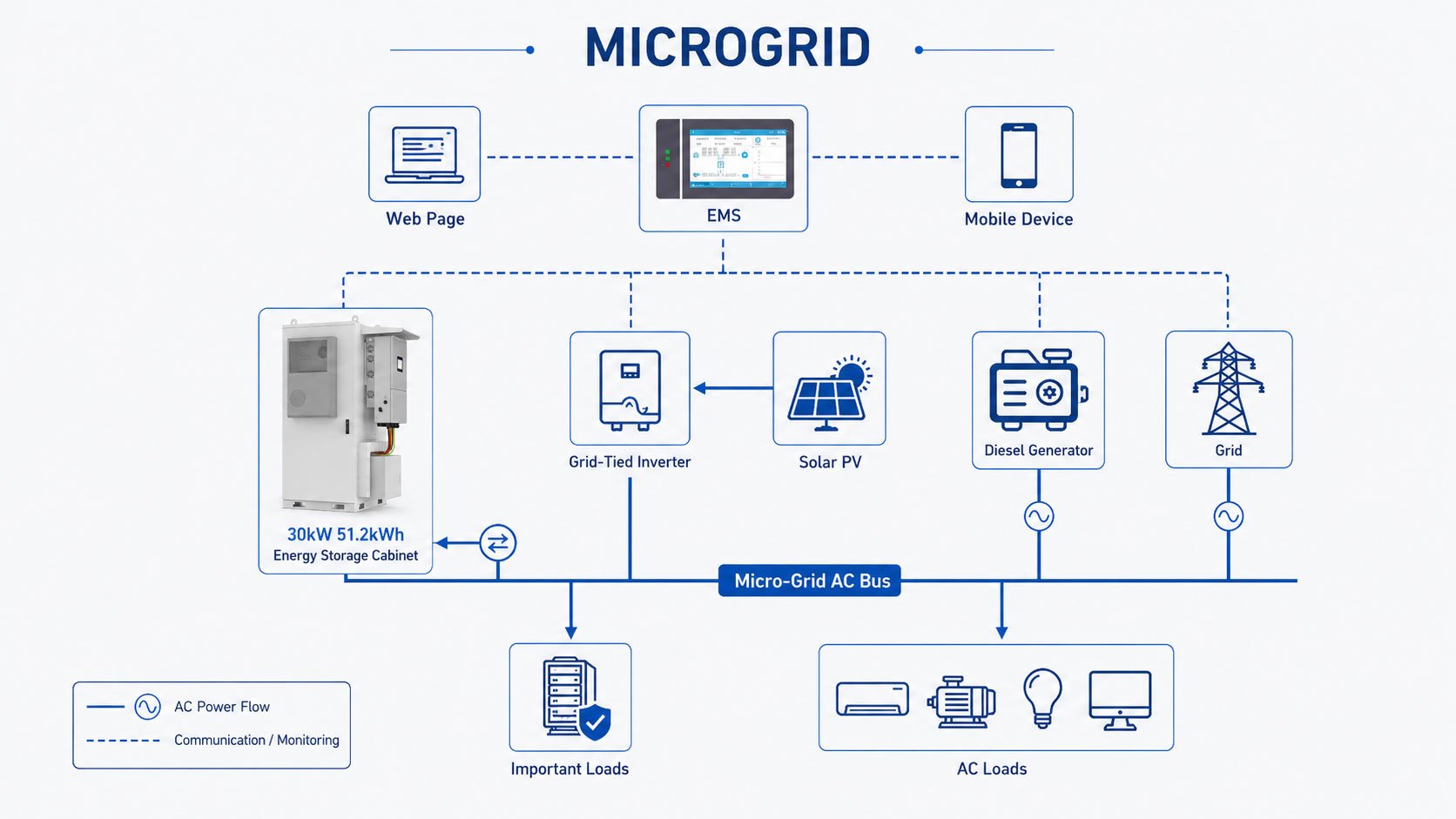
BESS Manufacturers At A Glance
| Company | Current Platform Or Offer | Best Project Fit | Key Procurement Focus |
|---|---|---|---|
| CATL | TENER storage systems | Large C&I and utility | PCS and system-warranty owner |
| Sungrow | PowerTitan 3.0 | Utility and renewable projects | Grid functions and regional approvals |
| Tesla Energy | Megapack 3 and Megablock | Standardized utility projects | Controls, data, and software support |
| BYD Energy Storage | MC Cube-T BESS | Utility and selected C&I | Exact model and integration boundary |
| Fluence | Gridstack Pro | Utility and IPP | Software, augmentation, and guarantees |
| LG Energy Solution | Cells through containers | OEM and integrator | Balance-of-system responsibility |
| Huawei Digital Power | Smart String Grid-Forming ESS | Solar-plus-storage | Cybersecurity and control interfaces |
| EVE Energy | Grid ESS and C&I ESS | Integrator and utility | Product layer and warranty scope |
| Trina Storage | Elementa platform | Renewable and utility projects | Partners and performance obligations |
| Canadian Solar e-STORAGE | SolBank 3.0 | Utility and IPP | EPC and service boundary |
| Wärtsilä | GridSolv and GEMS | Utility, hybrid, and microgrid | Software and dispatch functions |
| Saft | Intensium | Industrial and specialized projects | Model availability and lifecycle service |
| Hitachi Energy | Grid-integrated storage solutions | Grid infrastructure | Battery and control ownership |
| Nidec Conversion | DC blocks and PCS integration | Utility and industrial | Complete delivery scope |
| Envision Energy | GEN 8 DC and AC | Large renewable and utility | Regional compliance and support |
| AlphaESS | STAX M50 | Commercial and distributed | Expansion and field service |
| SolaX Power | TRENE | Standardized C&I | Parallel control and grid approval |
| Samsung SDI | ESS battery products | OEM, integrator, and UPS | System-integration owner |
| Hithium | ∞Power and ∞Block | Utility DC systems | PCS partners and service network |
| HBOWA | Racks, cabinets, and containers | C&I, hybrid, and microgrid | Model-level project confirmation |
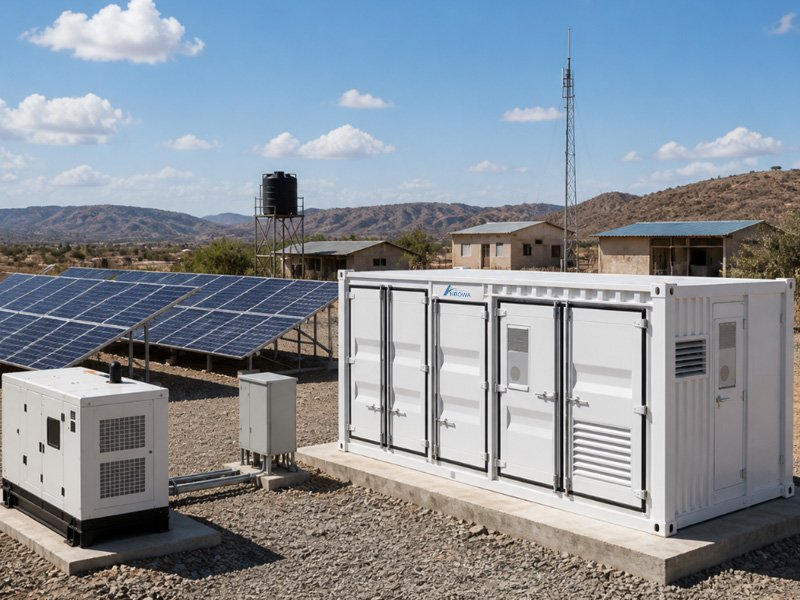
How To Choose A BESS Manufacturer
Build the shortlist around one defined project rather than brand familiarity. Send every candidate the same duty profile, site data, single-line diagram, compliance matrix, and responsibility schedule. Then normalize the responses before comparing commercial terms.
| Decision Factor | What To Compare | Why It Matters |
|---|---|---|
| Supplier role | Cell, DC block, PCS, software, integrated equipment, or complete plant | Prevents gaps between quoted packages |
| Duty cycle | Power, usable energy, duration, cycling, response, and redundancy | Aligns the design with the operating case |
| Site conditions | Temperature, altitude, dust, humidity, corrosion, space, and access | Shapes cooling, derating, and maintenance |
| Compliance | Model-level certificates, test reports, grid code, and local fire rules | Reduces approval and redesign risk |
| Interface ownership | Battery, PCS, EMS, transformer, SCADA, fire system, and commissioning | Assigns responsibility before problems arise |
| Lifecycle terms | Degradation, warranty, augmentation, software, spares, and maintenance | Reveals long-term cost exposure |
| Delivery capability | Engineering response, documentation, schedule, training, references, and escalation | Tests execution support |
Avoid a price-only comparison. Normalize rated power, usable energy, auxiliary loads, exclusions, commissioning, software, spares, warranty terms, and augmentation before you compare headline price per kWh.
BESS Procurement Checklist
Ask every shortlisted manufacturer for:
- A completed project questionnaire and proposed system architecture
- Rated power, usable energy, operating limits, and auxiliary loads
- Battery, BMS, PCS, EMS, cooling, fire, and communications descriptions
- Model-level certificates, test reports, and destination-market compliance details
- Degradation assumptions, warranty terms, and performance obligations
- Factory acceptance, commissioning, training, software, and service plans
- Delivery scope, installation boundaries, spare parts, and relevant project references
Final Thoughts
The right BESS manufacturer should match your duty cycle, site conditions, integration scope, and service strategy. As a renewable energy manufacturer and solution provider specializing in energy storage batteries and integrated energy storage systems, HBOWA can help you define the right scope. Explore HBOWA’s energy solutions.
Frequently Asked Questions
Choose a cell manufacturer when your team or integration partner already controls pack design, BMS, PCS, EMS, protection, and system warranties. Choose a turnkey integrator when you need one party to coordinate those interfaces and accept broader performance obligations. Compare total scope, technical ownership, lifecycle cost, and local service rather than the supplier label alone.
Request model-level datasheets, single-line diagrams, communication protocols, protection philosophy, test reports, certificates, degradation assumptions, warranty terms, commissioning plans, and a responsibility matrix. Also request references with similar duty cycles and site conditions. Treat company-level certificates as background evidence; confirm that every critical document covers the exact quoted configuration.
Build one normalization sheet for rated power, usable energy, auxiliary loads, battery limits, PCS, EMS, transformer, switchgear, fire protection, installation, commissioning, software, spares, and augmentation. Mark every inclusion and exclusion. Then compare lifecycle cost and contractual responsibility against the same duty profile instead of comparing headline price per kWh.
The contract should assign one responsible party to every performance metric and interface. A battery warranty may exclude losses or failures linked to PCS settings, thermal management, controls, or site operation. Ask each vendor to state its warranty boundary, operating conditions, data requirements, remedies, and coordination duties before contract award.
Review product-market fit, destination-market certificates, pricing structure, technical training, spare-parts access, warranty procedures, lead-time control, marketing support, territory terms, and service escalation. Confirm which team handles system design, commissioning, and field issues. A sound distribution agreement should align commercial rights with realistic technical capability and after-sales responsibility.

