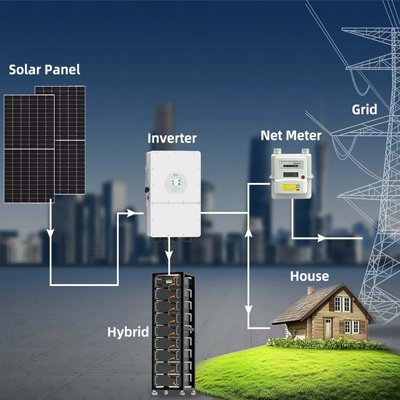
Commercial solar system cost changes with system size, site conditions, equipment scope, and local installation work. A single price-per-watt figure rarely tells the full story. This guide helps you build a working budget, compare quotations, and decide when battery storage belongs in the project.
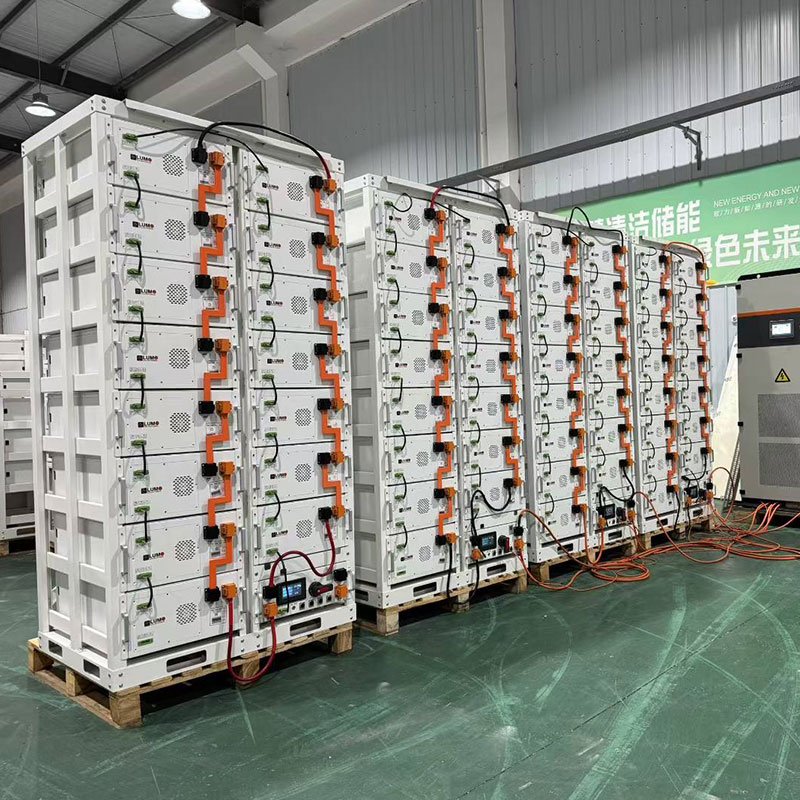
Commercial Solar System Cost at a Glance
Start with a price-per-watt calculation, but treat it as a planning tool rather than a quotation. The formula is simple:
Estimated installed cost = system size in kW x 1,000 x installed cost per watt
The table below uses three sample rates to show how the calculation works. The figures do not represent HBOWA prices or a universal market average. They exclude battery storage, incentives, financing costs, and unusual site work. Replace the sample rate with a local EPC budget for your country and project scope.
| System Size | $1.50/W Scenario | $2.25/W Scenario | $3.00/W Scenario |
|---|---|---|---|
| 20 kW system | $30,000 | $45,000 | $60,000 |
| 25 kW system | $37,500 | $56,250 | $75,000 |
| 30 kW system | $45,000 | $67,500 | $90,000 |
| 40 kW system | $60,000 | $90,000 | $120,000 |
| 50 kW system | $75,000 | $112,500 | $150,000 |
| 60 kW system | $90,000 | $135,000 | $180,000 |
| 75 kW system | $112,500 | $168,750 | $225,000 |
| 80 kW system | $120,000 | $180,000 | $240,000 |
| 100 kW system | $150,000 | $225,000 | $300,000 |
| 150 kW system | $225,000 | $337,500 | $450,000 |

This method answers the first budget question, but it cannot tell you whether two proposals cover the same work. One contractor may include switchgear, monitoring, grid studies, and commissioning. Another may quote only modules, inverters, racking, and basic installation.
What Does Commercial Solar Installation Cost Include
Commercial projects often mix several cost layers into one number. Separate them before you compare suppliers.
Commercial solar panel cost covers only one part of the investment. A complete budget also needs delivery, local engineering, construction, grid connection, and operating allowances.

| Cost Layer | Typical Scope | Who Should Confirm It |
|---|---|---|
| Equipment supply | PV modules, inverters, mounting components, DC and AC balance-of-system items, monitoring hardware, and agreed spares | Manufacturer or system supplier |
| International delivery | Export packing, freight, insurance, customs clearance, import duties, taxes, and inland transport | Supplier, freight forwarder, and importer |
| Local project delivery | Site survey, engineering, civil or roof work, labor, permits, interconnection, testing, and commissioning | Local EPC, engineers, authorities, and utility |
| Lifecycle cost | Cleaning, inspection, monitoring, insurance, planned service, component replacement, and roof access | Asset owner, O&M provider, and insurer |
As a renewable energy manufacturer and solution provider, HBOWA can define the equipment scope for commercial solar panels and integrated systems. Your local EPC must still price the site-specific design, construction, permits, grid connection, and inspection work. Keeping those responsibilities separate makes quotation gaps easier to find.
Why Commercial Solar Cost Changes by System Size
Larger systems can spread design, mobilization, permitting, and project-management costs across more watts. This often lowers the cost per watt. The total investment still rises, and larger projects can trigger new expenses for transformers, switchgear, protection studies, export control, or medium-voltage work.
Do not select capacity from a price table alone. Use interval meter data, operating hours, seasonal demand, roof or land limits, and the utility export policy. Our commercial solar system sizing guide explains the sizing decision in more detail.

A 150 kW project may show a better headline rate than a 50 kW project, yet an oversized array can export power at a low tariff or face curtailment. A smaller system with strong daytime self-consumption may produce a better business case.
Main Factors That Change the Final Price
- Mounting method. Rooftop, ground-mount, and carport systems need different structures, foundations, access equipment, and drainage planning. Review the ground-mount versus roof-mount cost factors before choosing the lowest hardware quote.
- Roof and site condition. An older roof may need reinforcement or replacement. A ground project may need grading, drainage, trenching, geotechnical work, fencing, or road access. For a larger land-based project, the solar farm cost guide provides a useful next step.
- Equipment architecture. Module efficiency, inverter topology, monitoring, string design, cable runs, surge protection, and spare-parts strategy all affect the bill of materials.
- Electrical interface. Existing switchboards, transformer capacity, protection settings, point of interconnection, and export limits can add engineering and equipment work.
- Local labor and compliance. Wage levels, permits, fire rules, inspections, grid studies, and utility fees vary by jurisdiction. A supplier in another country cannot quote these items accurately without local input.
- Commercial terms. Incoterms, currency, payment schedule, freight route, insurance, warranty scope, commissioning support, and spare parts can change the delivered project cost.
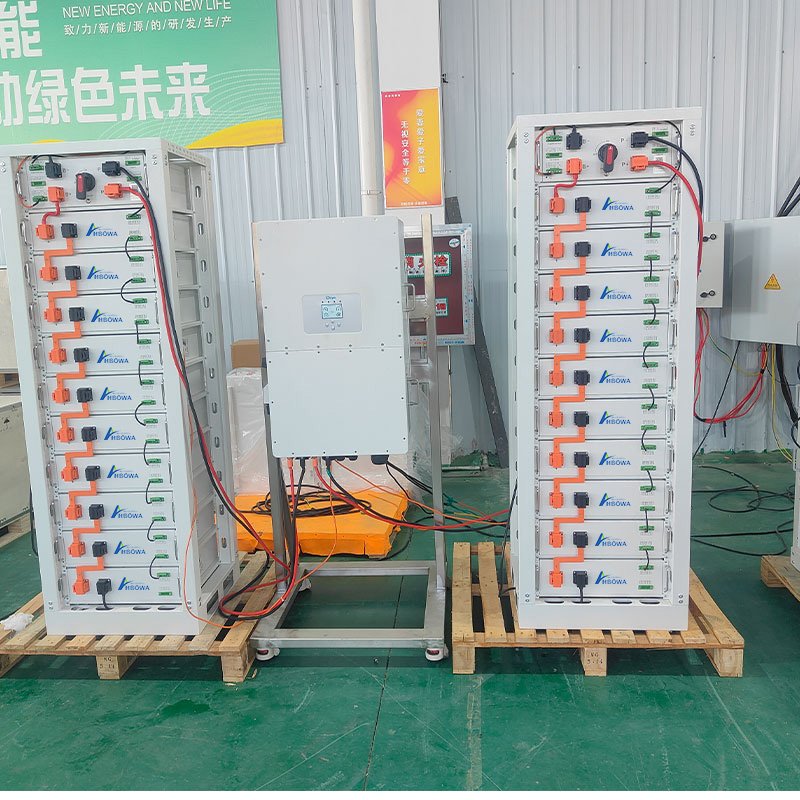
When Battery Storage Belongs in the Budget
Battery storage increases capital cost because the project adds battery racks or cabinets, a PCS or hybrid inverter, BMS, EMS, thermal management, protection, fire-safety equipment, and integration work. That extra cost needs a defined job.
| Project Objective | When BESS May Help | Data You Need |
|---|---|---|
| Time-of-use shifting | The facility can charge during lower-cost periods or from surplus PV and discharge during expensive periods | Interval load, tariff periods, battery limits, and dispatch rules |
| Demand-charge control | Short peaks drive a meaningful part of the electricity bill | Demand interval, peak duration, tariff, and target limit |
| Backup power | An outage creates measurable operational loss and the site has defined critical loads | Critical-load kW, required runtime, starting current, and outage pattern |
| Export limitation | The grid restricts export and the site regularly produces surplus solar energy | PV profile, load profile, export cap, and curtailment data |
A PV-only system remains the right choice when daytime loads absorb most production and the site does not need resilience or demand control. If the load and tariff support storage, review a solar-plus-storage solution and the available commercial and industrial energy storage systems as separate cost and value layers.
How to Compare Commercial Solar Quotations
A commercial solar quote comparison only works when every bidder prices the same scope. Put each proposal into one comparison sheet, then ask the bidder to state the inclusions, exclusions, assumptions, and responsible party. At minimum, check the following items:
- DC array size, AC inverter size, and the DC-to-AC ratio.
- Module and inverter models, quantities, datasheets, and approved alternatives.
- Mounting system, roof attachment or foundation scope, and structural responsibility.
- DC and AC cabling, combiner equipment, switchgear, transformer, metering, and monitoring.
- Design drawings, studies, permits, utility application, testing, and commissioning.
- Freight, duties, taxes, unloading, storage, cranes, lifts, and site security.
- Warranty terms, exclusions, response process, spare parts, and technical support.
- Schedule, payment milestones, currency, Incoterms, and price-validity period.
- Expected annual generation, modeling assumptions, losses, degradation, and curtailment.
- All provisional sums, owner-supplied items, and conditions that can create a change order.
The cheapest cost per watt may exclude the most difficult work. A complete proposal should also state who accepts design risk, grid-connection risk, logistics risk, and performance responsibility.
How to Estimate ROI Without False Precision
Use the net project cost and the facility’s real electricity data. Do not apply a standard payback period to every business. A practical model includes:
- Hourly or interval solar production and facility consumption.
- Energy charges, demand charges, fixed charges, and export compensation.
- Installed CAPEX, incentives that the project can actually claim, and financing cost.
- O&M, insurance, monitoring, planned replacement, and performance degradation.
- Curtailment, downtime, tax treatment, residual value, and contract term.
- Battery dispatch value and replacement assumptions when the design includes BESS.
Simple payback = net project cost / annual net benefit
Simple payback offers a quick screen, but a project developer should also model cash flow, financing, taxes, degradation, and downside cases. Ask the EPC or financial adviser to show every input so you can test changes in energy prices, production, and operating costs.
Information to Prepare Before Requesting a Price
A good request for quotation shortens the design cycle and produces more comparable offers. Prepare:
- Project country, site address, target commissioning date, and preferred currency.
- 12 months of utility bills plus interval load data when available.
- Target PV size or energy-offset goal and any export restriction.
- Roof drawings, structural information, land survey, or carport layout.
- Single-line diagram, service voltage, transformer and switchboard information.
- Site photographs, access limits, cable routes, and equipment locations.
- Required standards, certifications, grid-code documents, and local permit conditions.
- Battery objectives, critical loads, required backup time, and EMS requirements.
- Requested supply boundary, Incoterm, installation boundary, and commissioning support.
Final Thoughts
A useful commercial solar budget separates equipment, delivery, local installation, and lifecycle cost. Compare identical scopes, then add storage only when project data supports it. Contact HBOWA to discuss the equipment and integration boundary for your project.
Frequently Asked Questions
There is no reliable global average for every project. Country, system size, mounting method, labor, grid work, equipment scope, and taxes can move the result substantially. Use a current local installed $/W range for early budgeting, then replace it with a scope-matched EPC quotation after the site survey.
Multiply 100,000 watts by the installed cost per watt in your market. At the three sample rates used in this guide, the arithmetic produces $150,000, $225,000, or $300,000 before storage and incentives. These figures only illustrate the method; they do not represent a supplier quotation.
Roof area does not define electrical capacity on its own. Module efficiency, spacing, setbacks, shading, orientation, structural limits, and access routes change the wattage that fits. Price the usable DC capacity and complete project scope first, then use area as a site-planning check.
Neither option wins in every project. Rooftops can avoid land and foundation work, but structural reinforcement, membrane protection, access equipment, and difficult cable routes may raise cost. Ground systems can simplify maintenance but may add grading, foundations, trenching, fencing, and land work.
Larger systems often spread fixed costs across more watts, but the rate does not fall forever. Electrical upgrades, medium-voltage equipment, interconnection studies, civil work, and project complexity can create new cost steps. Compare scope and site conditions instead of assuming a straight-line discount.
A complete quote should identify DC and AC capacity, equipment models, mounting, balance-of-system items, design, permits, interconnection, labor, logistics, testing, commissioning, warranties, exclusions, and payment terms. It should also name the party responsible for structural, electrical, grid, and performance risks.
Maintenance cost depends on climate, soiling, access, system size, monitoring, local labor, insurance, and service scope. Ask for an annual O&M plan that separates cleaning, inspection, monitoring, corrective work, spare parts, and major component replacement. Do not accept one percentage without a defined scope.
The increase depends on battery energy in kWh, power in kW, runtime, PCS, EMS, enclosure, thermal management, fire protection, grid controls, and installation. Define the operating purpose first. A demand-management system and a long-duration backup system can need very different configurations.
Yes, but only as a planning range. Use target capacity and a local $/W assumption, then list allowances for roof or civil work, electrical upgrades, interconnection, logistics, and contingency. The site survey and utility review should replace those allowances with engineered scope and firm pricing.
Most international projects need both roles. A manufacturer can define and supply the equipment package, documentation, and system interfaces. A local EPC handles site engineering, permits, construction, grid coordination, and inspection. Ask both parties to agree on the supply boundary and technical responsibility before contract award.