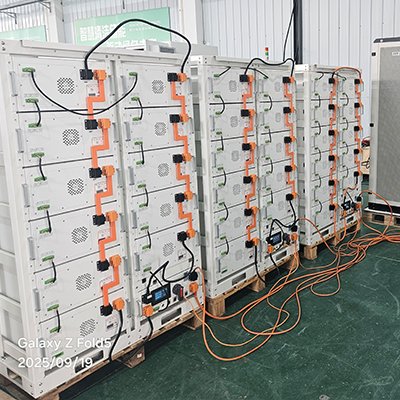
Introduction
When setting up a solar power system, the common question that arises in your mind is which type of inverter you should use, and this question is important because it is one of the most important decisions one must make. Usually nowadays, among inverters, one needs to compare a hybrid solar inverter vs an off-grid inverter because it’s a vital hardware in your setup, and in this article, we will discuss them in detail.
HBOWA offers both hybrid and off-grid inverters, and one must decide which to choose. They are built to be used in homes or commercial spaces, or building structures; both are perfect for any kind of area.
Understanding How Solar Inverters Work
Every modern solar setup has one essential component, and that is the inverter, and basic function of converting the power generated by the solar panels to usable current, which is used by most appliances. Without that conversion, the solar panels cannot effectively run your home or business.
In the case of a hybrid system, the inverter helps govern the charging and discharging cycles of the battery to protect battery performance and increase battery life.
There are three types of solar inverters: on-grid, off-grid, and hybrid. The on-grid solar inverters channelize the power from your solar panels directly to your utility network and do not store any power. When no power is passed to the grid during a power breakdown. An off-grid solar inverter is independent and does not work in collaboration with the grid. It solely runs on the batteries loaded in it. A hybrid grid inverter focuses on both approaches, so, for instance, if an individual has the grid connection and battery backup, then this is the most effective form of solar panels. Many prefer using the grid power with the combination of using batteries as backups during the time of power outages.
Can a solar inverter work without the grid? Yes — that’s what off-grid systems do. Do you need batteries for solar panels? Only if you want energy independence or backup during blackouts.
What Is an Off-Grid Inverter?
An off-grid inverter is the main component of a fully independent off-grid solar system that works independently of the grid system. There is no need for an off-grid inverter in grid-tied systems. But an off-grid configuration is suitable for a place or facility where connecting to the grid is not available. The off-grid inverter pulls power from solar panels and charges a battery bank.
A battery storage solar system is on the off-grid inverter for 24 hours. The off-grid inverter manages the stored and used energy throughout the day and night.
A typical battery storage solar panel system includes a number of solar modules charging a battery bank of LiFePO4 batteries, an inverter to convert energy, and loads to consume the generated power.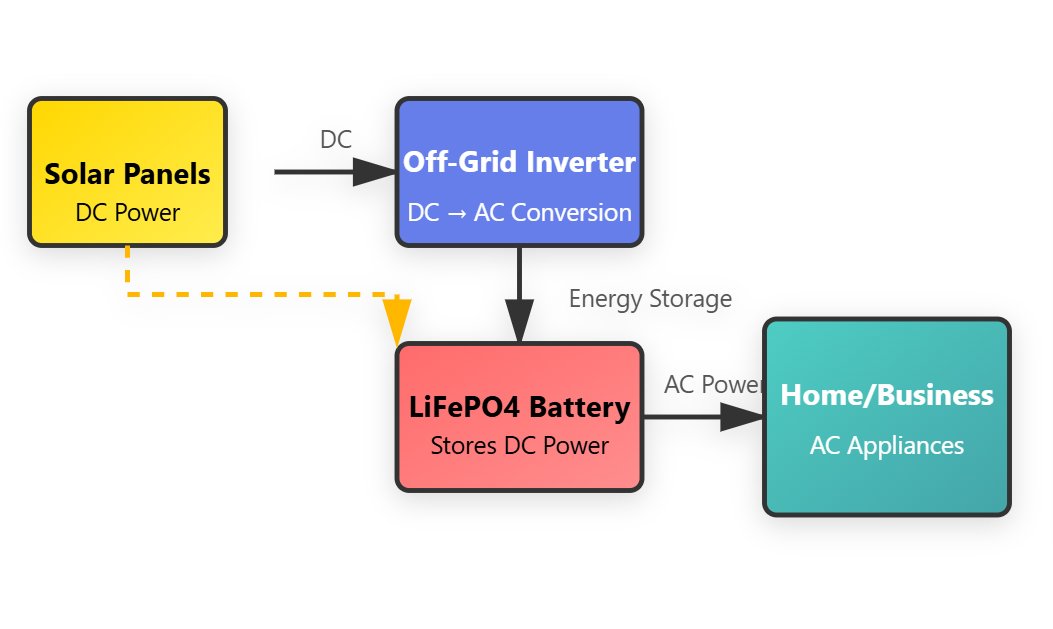
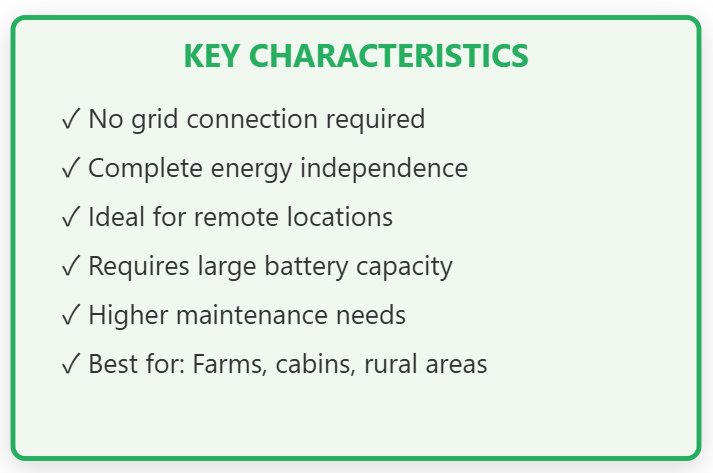
The demand for LiFePO4 batteries in an off-grid solar panel system is increasing rapidly. There are many reasons why these batteries are desired: long life, higher discharge efficiency, and thermal stability, which make them the preferred choice for off-grid operation. The major benefit of an off-grid configuration is that you are completely independent of energy supply. You can shield yourself from returning electricity costs, blackouts, and brownouts. Sizing a system properly and having reliable batteries is a requirement for a successful installation, though, as all of your power needs will be met from your stacked power.
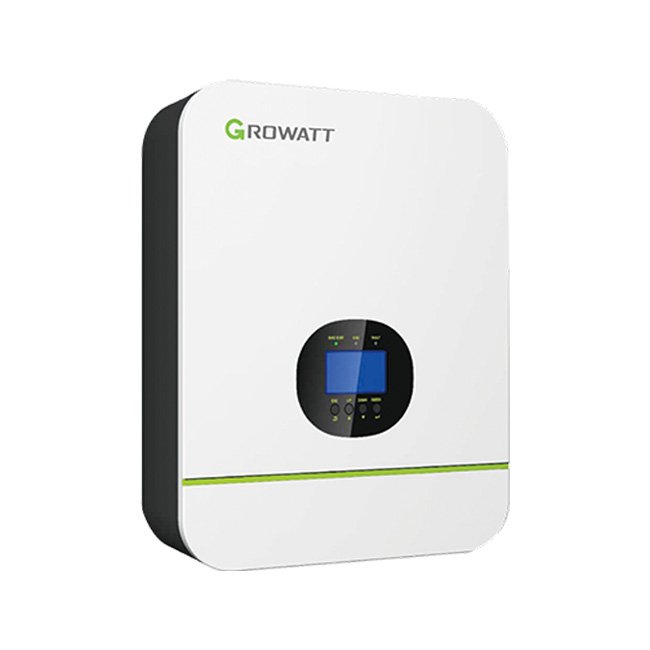
A rural agricultural facility, for example, can irrigate the plots and light up the area completely independent and off-grid with the help of HBOWA batteries and Growatt Off-grid inverter (SPF 5000TL HVM-P). For technical values below, refer to the respective product datasheets or contact HBOWA experts.
What Is a Hybrid Solar Inverter?
A hybrid solar inverter is a combination of a typical grid-tie inverter and an off-grid inverter. This inverter gives you almost all types of benefits of grid-tie and off-grid solar inverters. Hybrid solar inverters are also known as multi-mode inverters, which can simultaneously manage inputs from solar panels, battery storage, and the power grid.
It also accepts multiple renewable energy sources like solar, wind, and hydro while also providing the electricity grid. The diagram below will explain visually how it works and what are the features of a hybrid inverter!

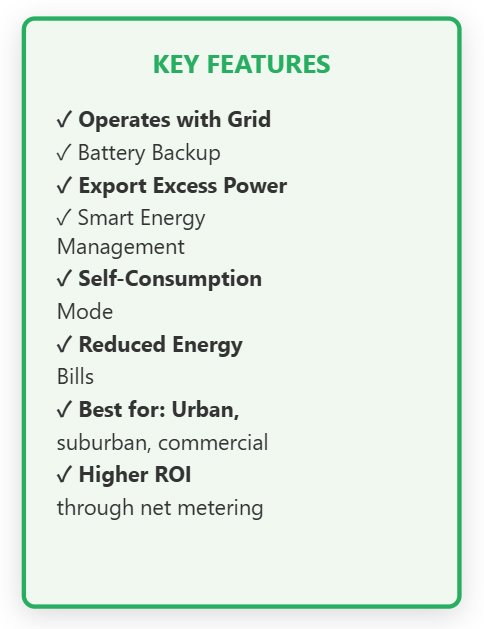
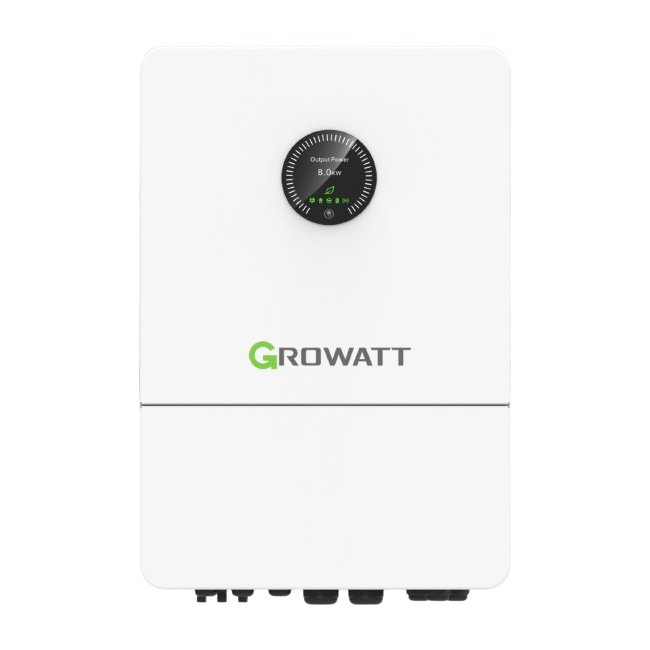
Unlike traditional inverters that use the simplest solar energy, these inverters consist of smart solar inverter calculations. Growatt hybrid inverters, such as Growatt WIT 10K-HU with HBOWLB LiFePO4 battery, provide modes like self-consumption mode, ranging between 15kWp -100kWp, backup mode, and export to the grid, and this adequate product can maintain the supply of electricity and make a small commercial building work actively even at peak hours. The solar power supports the loads during peak demand hours, and the remaining battery storage helps to function even during peak hours of the day, follow mandatory load shedding, and manage emergency backup power.
Hybrid vs Off-Grid Inverter: Key Differences Explained
The main difference that exists between an off-grid inverter vs hybrid inverter is the way that they interact with how the energy flow is managed in an electrical grid. An off-grid inverter operates entirely independently, while a hybrid solar inverter can balance between grid support and self-generation. In this manner, they both offer different kinds of benefits depending on the needs of the user, location, and the goal of the energy.
| Feature | Off-Grid Inverter | Hybrid Inverter | Best For |
| Grid Connection | None – Completely independent | Partial – Connected with battery backup | Hybrid offers flexibility |
| Battery Requirement | Mandatory (Essential) | Recommended but optional | Off-grid has no alternative |
| Energy Sources | Solar + Battery only | Solar + Battery + Grid | Hybrid more versatile |
| Ideal Locations | Remote areas, farms, cabins | Urban, suburban, commercial | Context-dependent |
| Backup Power Source | Battery dependent only | Grid + Battery redundancy | Hybrid more reliable |
| Installation Complexity | Moderate | Complex (multi-source) | Off-grid simpler to deploy |
| System Sizing | Requires precise calculation | More forgiving | Hybrid more flexible |
| Energy Export | Not possible | Possible (net metering) | Hybrid generates revenue |
| Maintenance Intensity | High (battery-focused) | Moderate | Hybrid easier to maintain |
| Growatt Models | SPF 3000TL HVM-48, SPF 5000TL HVM-P | WIT 10K-HU, SPM 8000 TL-HU | |
| Expected Lifespan | 10-15 years (inverter) | 10-15 years (inverter) | Both comparable longevity |
To sum up, off the grid focuses on being independent, whereas hybrid is about being out of the box and optimal. Hence, the choice must depend on your location, budget, and energy endorsement priority.
Cost, Installation, and Maintenance Comparison
Total Cost Of Ownership :
The cost of ownership of both inverters tends to differ on the basis of various factors. When comparing the actual total cost of ownership, it’s evident that hybrid inverters are generally more complicated and costlier to install than off-grid solar inverters. A hybrid inverter will also require solar storage; off-grid inverters allow the battery units to be used and charged accordingly.

Payback Period :
Hybrid inverter system with battery storage is always considered to offer a quick payback due to its grid-independent nature. Besides, hybrid solar often returns on your investment primarily through the savings seen on your electric utility bills.
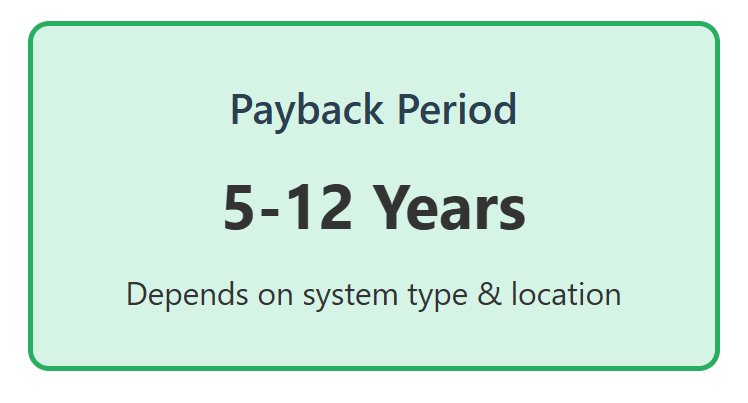
The upfront cost is higher. Still, many solar panel systems with energy storage built and maintained in the right way offer a higher lifestyle payout when comparing the returns on the investment over time.
Off-grid inverter install increases the initial installation expense with the addition of inverter cost and batteries like LiFePO4. Furthermore, users must invest the money needed to make the system big enough to help in the maintenance of all the electric loads.
Maintenance Costs :
You maintain the inverter as well as frequently check the inverter battery banks, calibrating the inverter, etc. It can be important to take the cost of into account for the overall operational costs of the inverter over time.
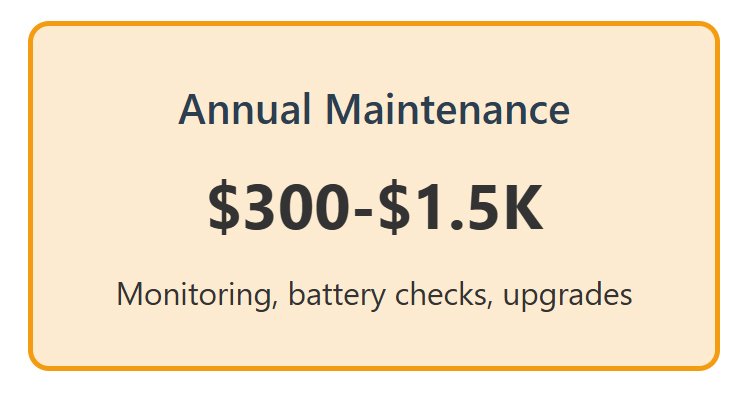

For example, the HBOWA 15 kWh battery bank with a Growatt SPF inverter cabin in the Philippines, which is completely off-grid, will make a saving of $300 on fuel and utilities. At the same time, a 10 kW hybrid inverter setup running a household in Australia will have a payback in almost 5 years through the energy and grid credits.
Performance, Reliability & Lifespan
When it comes to the performance evaluation of off-grid inverter vs. hybrid inverter, the load management and battery usage patterns make a clear distinction.
An off-grid hybrid solar inverter depends entirely on the solar generation and battery storage. This system requires high-capacity batteries and user-friendly consumption patterns, especially during cloudy or low sunlight periods. The performance of such a system is highly governed by correct sizing and load balancing.
Whereas a hybrid solar inverter effectively transfers the power generated between solar, battery, and the grid. This doesn’t have deep battery cycling, which elongates the batteries’ lifespan and keeps the efficiency on the higher side. The use of energy dynamic balancing makes hybrids a perfect choice as they maintain a balance between reliability and cost-effectiveness compared to capability.

All modern inverters (whether off-grid or hybrid variants) can last up to 10-15 years under proper maintenance. While our (HBOWA) LiFePO4 batteries last more than 6,000 charge cycles with a negligible reduction in performance, more than a decade can be easily achieved from our battery system.
So, which inverters last longer: hybrid or off-grid? In general, it’s the hybrids that wear less due to the grid’s assistance, whereas an off-grid system requires powerful batteries and regular supervision. Hereby employing the right components and correct installation, both can offer reliable long-term performance for challenging environments.
Real-World Case Studies and Applications
Different real-life performances across regions showcase how both type of inverters better fits the local energy issues. Residential users in Europe are now showing interest in getting home battery storage for a solar setup. A hybrid inverter for a household in Europe. A Spanish user installed a Growatt SPM 6000 TL-HU hybrid inverter with HBOWA LiFePO4 Batteries along with 5kW PV.
This battery optimizes the energy used in the home during the peak tariff hours. The system performs maximized self-consumption during the daytime, and leftover energy is stored till nighttime. The grid is used as a backup energy supply. The usage of grid energy has also minimized the monthly bill by 40%.
In Africa, the use of off-grid solar is still a prerequisite for rural development. A small health clinic at Mbui Njeru in Kenya is operated solely based on off-grid solar and a hybrid power set-up. For running the clinic, it needs a 215kWh HBOWA battery cabinet system and a Growatt SPF inverter. And now the clinic runs lighting, general medical appliances, and refrigeration gadgets exclusively based on off-grid solar. The battery storage is still going to work during the grid outages. And even the battery storage reduces more than half of the cost of diesel generators per period.
Industrial users in Asia need a hybrid set-up for their requirement of stable output. A textile factory user in Vietnam installed a solar inverter set up, including a 100kW solar array. Storage batteries are added to the solar panels, and the energy cabinets are made by HBOWA LiFePO4. When the grid is down or the voltage fluctuates, the inverter set-up instantly runs on batteries alone and makes the system work without fail.
Going through the above examples, we can conclude that the choice of inverter types mainly depends on the locations and infrastructure available, suiting the power needs and energy security objectives.
Limitations and Common Misconceptions
Many people misunderstand the differences between an off-grid inverter and vs hybrid inverter. The hybrid solar inverter is an inverter that has battery support and can use it for backup, and also for exporting the power. It is supposed to handle the off-grid connections of the solar system, but it is not a complete off-grid alternative as it always uses the grid for an essential purpose. It is misconstrued by many users under the false belief that this system never requires the grid and is always in running condition.
The hybrid systems are indeed the best system in much flexibility. Although the hybrid inverter setups have many disadvantages, like it is not cost-effective and complicated fitting nature. It obligates a proper configuration for the energy to flow between the grid and the solar panels, and the batteries.
The off-grid systems have an independent nature in it to supply electricity to places that require a non-consistent power supply. But to maintain and circumvent the consistent power supply, the off-grid systems must have a big battery storage system in place.
Which One Is Right for You?
The choice between an off-grid inverter and vs hybrid inverter depends on the site of installation, energy objectives, and grid reliability. If you are looking for a hybrid solar inverter for your grid-connected location to lower your electricity bills, along with energy backup, then the right choice is the usage of a hybrid solar inverter. Moreover, wiring your office or modern home, or even a small industry, with a hybrid inverter will provide automation at a fair price and will enable long-term savings.
For a property located not near a grid or having unstable grid power, an off-grid inverter can provide complete freedom. A farm, a cabin, and other rural facilities can be wired to an off-grid inverter to operate the loads continuously with solar and battery storage.
Both systems needed high-quality batteries for operation. HBOWA Lithium (LiFePO4) batteries are compatible with both Growatt hybrid and Growatt off-grid inverters, and they can be used for storage in all residential, commercial, and industrial-scale systems to provide flexible backup.
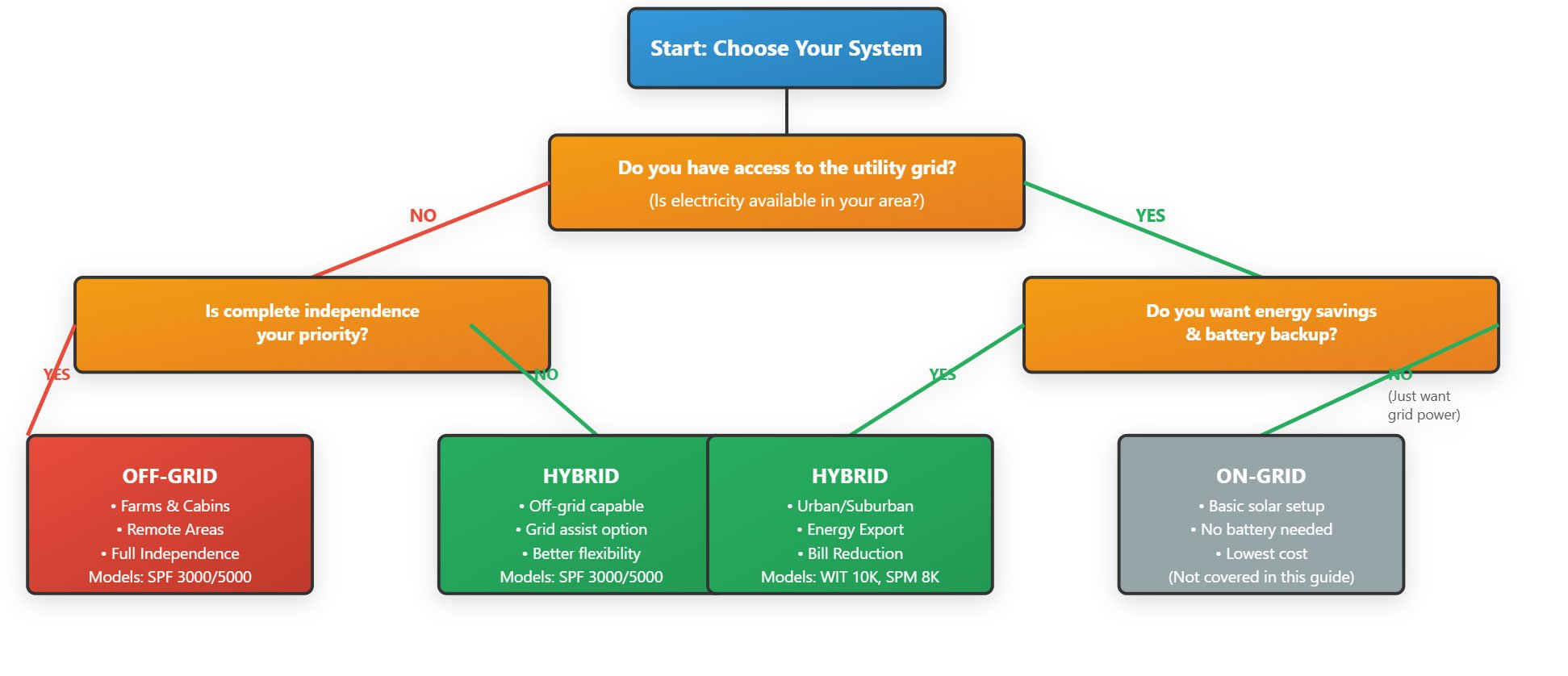
For more details and a detailed design optimized according to the requirement, HBOWA’s experts will provide you with the right consultation to help you choose the right set for our solar investment.
Conclusion
After comparing the off-grid inverter vs the hybrid inverter, there isn’t one righteous choice for every situation. The correct solution depends upon your energy goals, grid availability, and investment capacity. A hybrid solar inverter gives smart grid communication and cost improvement; meanwhile, off off-grid inverter ensures complete independence where electricity access is limited.
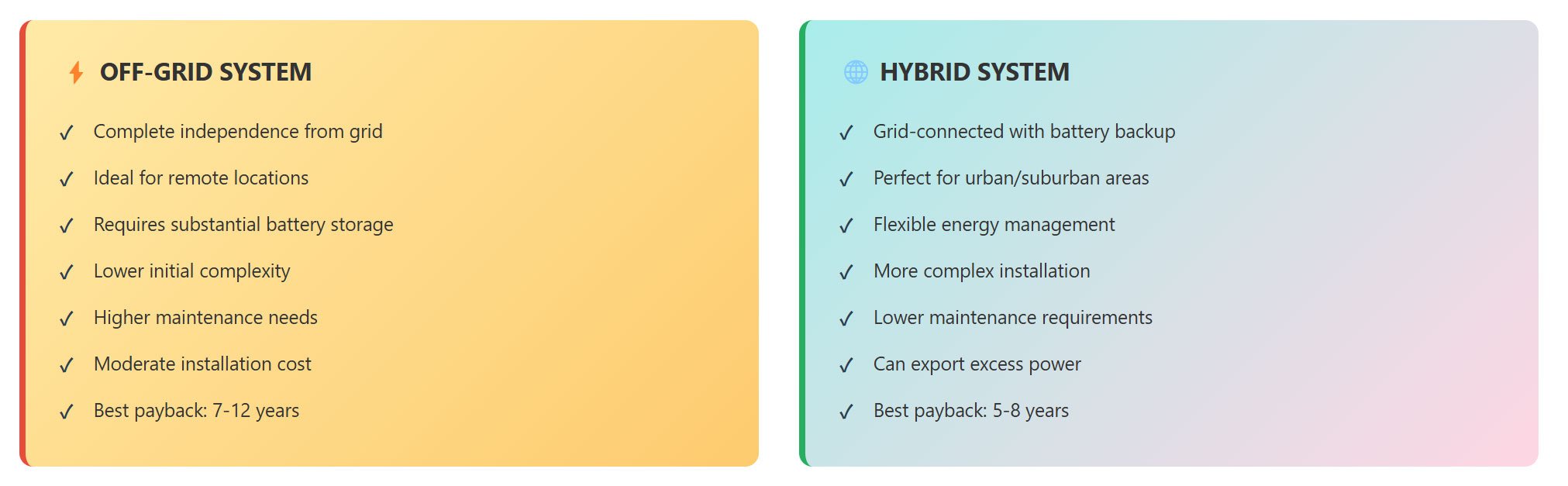
While selecting any system, long-term reliability is dependent on the quality of the components. By combining reputed inverter brands like Growatt with durable HBOWA LiFePO4 batteries, effective power management, longer functional life, and stable performance of both residential and commercial solar applications is ensured.