Formula: kWh = (W × Hours) ÷ 1000
Watts measure power, or how fast electricity is being used. Kilowatt-hours measure energy, or how much electricity is used over time. To convert watts to kWh, multiply watts by running hours, then divide by 1000.
For example, a 1000W appliance running for 1 hour uses 1 kWh. A 1500W appliance running for 2 hours uses 3 kWh (1500W x 2 hours / 1000 = 3 kWh).
Watts to kWh Converter Formula
The formula to convert watts to kilowatt-hours is:
kWh = (Watts × Hours) ÷ 1000
Watts show the power rating of a device. Hours show how long the device runs. Dividing by 1000 converts watt-hours into kilowatt-hours. For example, a high-performing gaming PC has a power consumption of 500W, and if it runs for 6 hours a day, the calculation comes to:
(500W×6h)/1000=3kWh
The gaming PC consumes 3 kilowatt-hours in a day, and it accumulates to 90 kWh over a month (30 days). And an electric kettle has a whopping 1500W, but if it operates only for 20 min (0.33 hr) a day,
(1500W×0.33h)/1000=0.495kWh
The kettle, having more watts, consumes way less energy because of a lesser period of use. You can be calculative (wattage to kWh) and save your electricity bills and use energy-efficient measures.
Watts vs Kilowatt Hours
They are both units used in the electricity space. In simple words, Watt measures how fast electricity is used. Kilowatt-hour shows the total energy consumed over time.
On the other hand, it is just like the speed and distance of your car. The speed of your car (in miles per hour) is quite similar to the watts, showing how fast energy is used. whereas, the distance (in miles) is quite similar to the kilowatt hours, showing the total energy consumed to a specific period.
To understand how power scales, lets take an example; a 1,000W appliance running for an hour will consume 1kWh or a 3000W appliance running for an hour will consume 3kWh. So the question ‘how many watts in a kilowatt hour’ becomes very important because this question alone answers how to track energy usage, estimate the electricity bill, and optimize power consumption.
W to kWh Calculator: Effortless Power Conversion
The W reported in bills stands for energy in watt-hours, and to convert into kilowatt-hours for billing purposes W is divided by 1000 in it. It is fortunate that for most of the appliances, the W usage is given. Thus for those appliances, W and the hours for which it is in use are multiplied to get the kwh a day. If the W to kWh converter is used energy wasted in conversion can be reduced to a great extent. In industries, kwh is the most suitable yardstick for gauging power usage.
The calculation of W to kWh is also useful in the planning of the solar power systems. The number of kilowatt-hours an appliance consumes determines the solar panel and the siez of home solar battery and C&I battery energy storage. The businesses can use the W kWh calculator to manage the peak load and thus, reduce the operational costs.
Common W to kWh Conversions Table
The table below shows common watts to kWh conversions for appliances, solar loads, and battery sizing. These values assume the device runs continuously at the listed wattage. Actual electricity use depends on how many hours the device runs.
| Search Query | kWh @ 1 Hour | kWh @ 4 Hours | kWh @ 8 Hours | kWh @ 24 Hours |
|---|---|---|---|---|
| 100 watts to kWh | 0.10 kWh | 0.40 kWh | 0.80 kWh | 2.40 kWh |
| 500 watts to kWh | 0.50 kWh | 2.00 kWh | 4.00 kWh | 12.00 kWh |
| 1000 watts to kWh | 1.00 kWh | 4.00 kWh | 8.00 kWh | 24.00 kWh |
| 1500 watts to kWh | 1.50 kWh | 6.00 kWh | 12.00 kWh | 36.00 kWh |
| 2000 watts to kWh | 2.00 kWh | 8.00 kWh | 16.00 kWh | 48.00 kWh |
| 3000 watts to kWh | 3.00 kWh | 12.00 kWh | 24.00 kWh | 72.00 kWh |
| 5000 watts to kWh | 5.00 kWh | 20.00 kWh | 40.00 kWh | 120.00 kWh |
Real-Life Examples of Watts to Kilowatt Hour Conversion
For a one-hour runtime:
- 1 W × 1 hour = 0.001 kWh
- 100 W × 1 hour = 0.1 kWh
- 200 W × 1 hour = 0.2 kWh
- 500 W × 1 hour = 0.5 kWh
- 1000 W × 1 hour = 1 kWh
- 1200 W × 1 hour = 1.2 kWh
- 1500 W × 1 hour = 1.5 kWh
- 3000 W × 1 hour = 3 kWh
Understanding energy consumption is easier with real-world examples. It helps us to determine the exact electricity needed for the appliances such as; the 1000W space heater. Just as a secure screw ensures that machinery operates efficiently, correctly calculating the energy consumption of electrical appliances (such as space heaters) can help users avoid wasting energy while extending the life of the equipment.
For example:
- Appliance: 1000W space heater
- Run time: 5 hours
- Consumption: (1000 W × 5 hours) ÷ 1000 = 5 kWh
- Electricity cost at $0.15/kWh: 5 kWh × $0.15 = $0.75
Now, consider a 300W TV used for 3 hours daily over a month (30 days):
(300W × 3 hours × 30 days) ÷ 1000 = 27 kWh
The appliances which require high power consume more energy. For example space heaters and ovens, the low-power devices are- LED TV, and thus, their energy consumption is far less. The daily consumption of electricity in houses and other areas can be estimated using the kilowatt-hour calculator.
Why W to kWh Conversion Matters for Energy Efficiency
The question “how to calculate kWh from watts” is very significant because the answer wil help to for the following aspects;
- Manage electricity costs.
- Power consumption efficiently.
Another benefit is know Everyday use of electricity. By watching over the electricity usage, homeowners and business owners can identify upon high energy appliances and can change their consumption habit to reduce the number of bills.
For the right system sizing it is very important especially in renewable energy such as wind power, solar power or hydropower projects, etc.. E.g., if a home uses 30 kWh/day, they need a system and battery storage capable of providing that amount. Without data, an undersized system might cause power shortage and and an undersized system will be an unnecessary expense.
Smart home tools like kWh to watt converter, and due to the programme timer, the electricity use can be monitored well. Devices like refrigerator and water heaters can be made to run at off-peak hours of the day, reducing the stress over the grid and the cost of electricity. For example, one can swap their lights to LEDs to improve their electricity costs or upgrade their machines to save energy.
Common Mistakes in Watts to Kilowatt Hour Conversion
One of the major errors in energy calculation is when people confuse power with energy. For example, a 500W appliance will never use 500 kWh until and unless the appliance runs continuously for 1000 hours.
Another common error is forgetting to mention the time. So one must provide the exact number of time(hours) in the watt to kilowatt hour calculator for accurate result.
Efficiency losses are often overlooked in real-world applications. For example, no electric device could efficiently use electricity with energy and power rating. Majorly, when it comes to Inverters and battery storage.
Advanced Applications: Converting kWh Back to Watts
Understanding W kWh conversion is essential for advance applications such as energy planning. The reverse formula is:
W=(kWh÷hours)×1000
With this, we can find power output from energy generation. For example, if a off grid solar system produced 5 kWh per day and lasted for 10 hours, its power output would be:
(5÷10)×1000=500W
It means this solar panel will, on average, generate 500 watts in an hour.
For battery storage, conversion from kWh to watt is useful for proper sizing of the battery for discharge rates and load handling.
For example,
A 10 kWh battery supplying power for 5 hours will deliver:
(10÷5)×1000=2000W
Conclusion
Watt to kWH calculator helps in making these calculations easier, ensuring accurate results for household and business owners. It also lets us make smart decisions about power and energy use, cut down wastage, and save expenses. HBOWA also provides other electricity calculators such as; ampere to ampere hour, kWh to kw, KW to MW, MW to GW, and many more.
Turn Your Energy Use Into a Storage System Plan
Your calculated kWh shows how much energy a load consumes over time. Use it as a starting point to compare a complete hybrid solar system, an onsite C&I storage cabinet, or a broader battery energy storage solution.
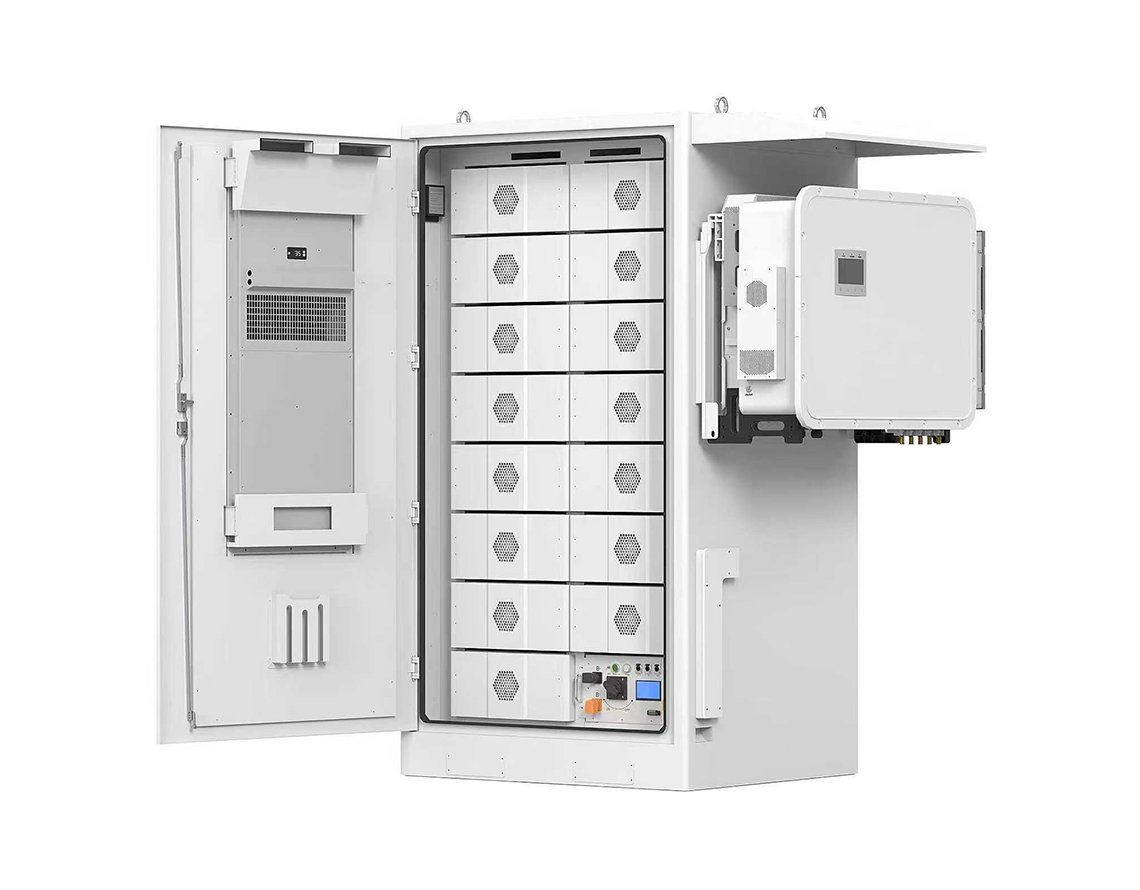
Energy Storage Cabinet
For commercial sites that need onsite storage sized around daily consumption, peak load, and required backup time.

Hybrid Solar System
For homes, businesses, and off-grid projects that combine solar generation, inverter power, and battery storage.
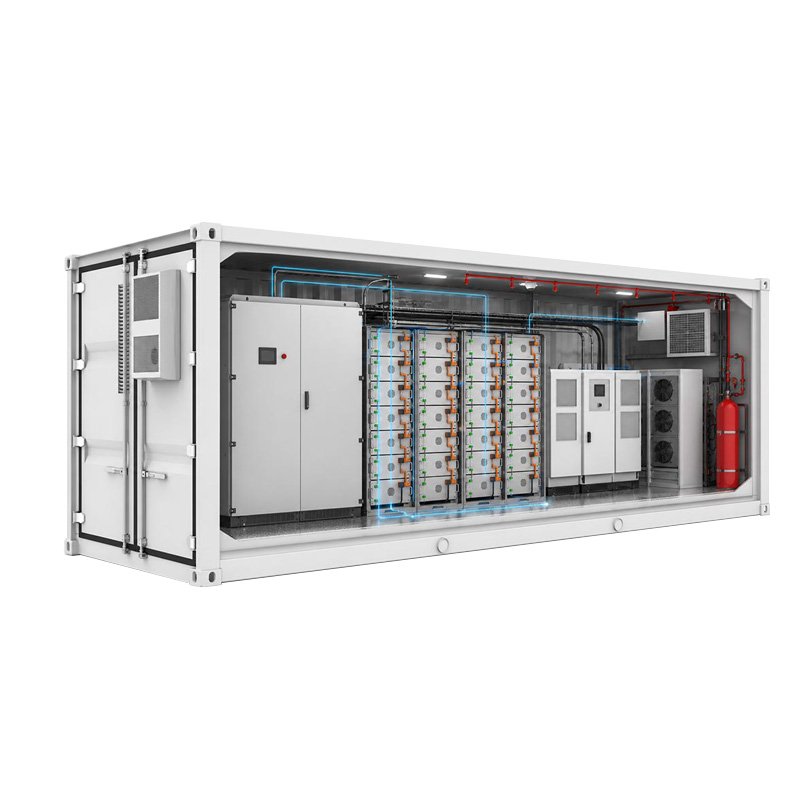
Battery Energy Storage System
For broader projects that require system-level planning around load profile, energy demand, backup duration, and site conditions.
About This Calculator
This watts to kWh calculator is provided by PretaPower, the solar and energy storage content platform of HBOWA New Energy. HBOWA focuses on solar panels, lithium battery storage, inverters, and integrated solar energy systems for residential, commercial, and industrial applications.
More Calculators for You
Frequently Asked Questions
2000 watts running for 1 hour uses 2 kWh. If it runs for 8 hours, it uses 16 kWh.
1500 watts running for 1 hour uses 1.5 kWh. If it runs for 2 hours, it uses 3 kWh.
1000 watts running for 1 hour uses 1 kWh. If it runs for 5 hours, it uses 5 kWh.
No. Watts measure power, while kWh measures energy used over time. A device with higher watts does not always use more kWh unless it runs for a long time.
You need hours because kWh measures energy over time. Without running time, watts only show the power level, not total energy use.
It provides instant and accurate conversions, helping users track electricity consumption and optimize energy usage.
100W bulb consumption can be calculated by using the following formula:
(100W × hours × 30 days) ÷ 1,000w.
It helps to calculate :
- Electricity cost estimation
- Solar system sizing
- Reducing energy waste.
Daily kWh usage helps estimate how much battery storage is needed. For example, a home using 30 kWh per day needs a battery system sized around that energy demand, with extra margin for efficiency loss and backup time.